Keeping you up to date on recent developments in cardiology, including: Biomarkers can forecast the development of incident heart failure; Mouse model helps researchers find MAARS lncRNA; Heart disease deaths rise in age of COVID-19.
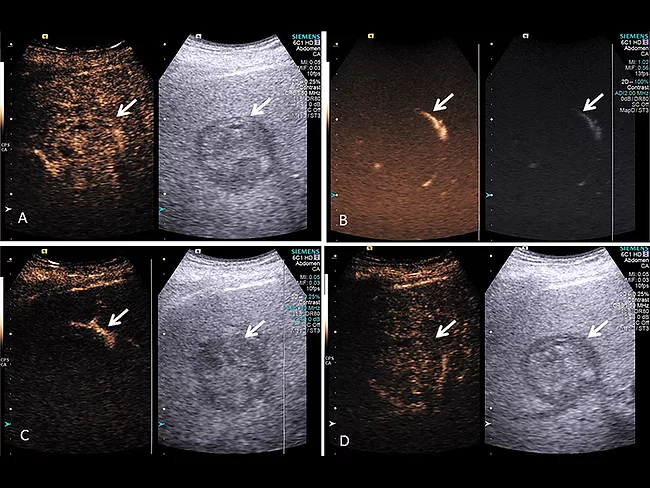
Researchers at Thomas Jefferson University have found that using ultrasound to pop microbubbles already present in a contrast agent nearly doubled liver tumor response to transarterial radioembolization. The procedure raised no safety concerns and increased the likelihood of patients receiving a liver transplant.
PERTH, Australia – Researchers at the QIMR Berghofer Medical Research Institute in Queensland have developed a way of testing whether COVID-19 patients’ immune systems are gearing up to fight the virus that causes the disease.
Keeping you up to date on recent developments in neurology, including: Research suggests SARS-CoV-2 enters the brain; Technique developed to predict seizures; Machine intelligence improves brain mapping research; Hearing, blood sugar linked to cognitive function among older Latinos.
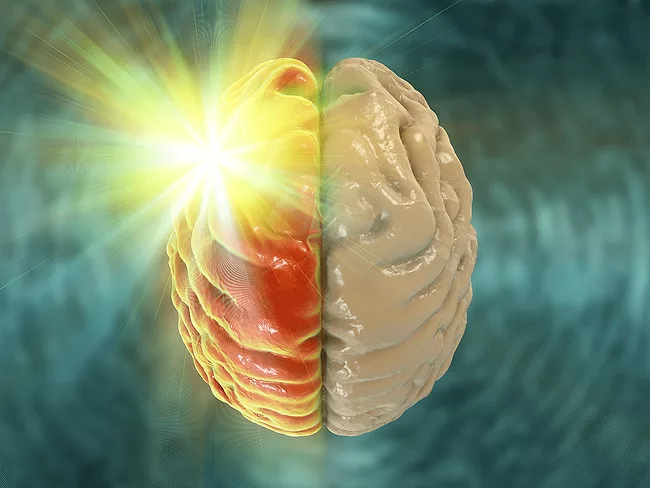
Using in vivo imaging technology, investigators at the University of Utah and the University of Padua have identified a new signaling mechanism for glutamate that was linked to the onset of spreading depression or spreading depolarization, a neuronal activity pattern that plays a role in multiple neurological disease states. In mouse models of migraine, glutamate, which is the major excitatory neurotransmitter of the brain, was released in what the authors called "plumes" or puffs.
Keeping you up to date on recent developments in diagnostics, including: Speeding triage of COVID-19 patients; New tests distinguishes COVID-19 and flu; Predicting heart failure; Expanding cryptosporidiosis testing in developing regions.
Keeping you up to date on recent developments in orthopedics, including: HSS bone study sheds light on complications after spinal surgery; Simplify Medical reports first implant of its cervical artificial disc in the U.S. following FDA 1-Level approval; Scientists say xenon improves properties of maxillofacial and orthopedic implants.
Keeping you up to date on recent developments in oncology, including: Study clarifies distinct genomic features of early-onset appendiceal cancer; MET no better than EMT for cancer metastases; MRI may offer risk-stratification for glioblastoma; Study supports short telomeres as protective against cancer.
Keeping you up to date on recent developments in cardiology, including: Genes influencing CAD identified; Education reassures patients with noncardiac chest pain; Skin helps predict heart disease.
Keeping you up to date on recent developments in neurology, including: Genetic differences important in Alzheimer’s diagnosis; Stanford develops tool for studying neural activity; Gut microbiota plays a role in brain function, mood regulation.

 RSS
RSS