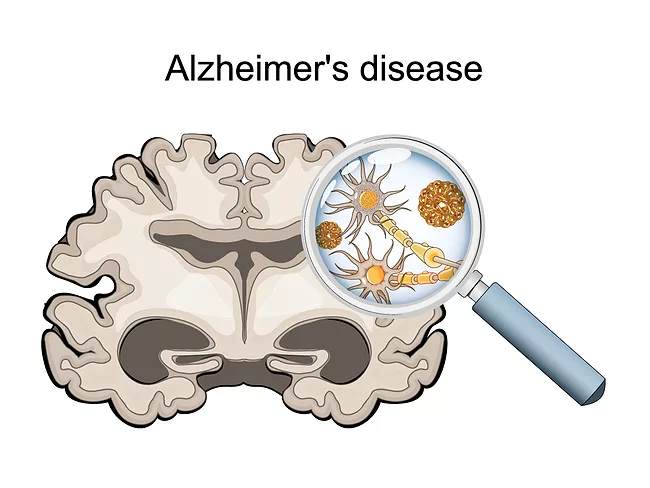
Microglia play a central role in the neuroinflammation associated with Alzheimer’s disease (AD). At the 20th International Conference on Alzheimer’s and Parkinson’s Diseases (AD/PD), scientists focused on TREM2, a microglial receptor that regulates immune responses, exploring new ways to address neuroinflammation.
For a company founded only four years ago, Quotient Therapeutics Inc. entered its third major deal, this time with Merck & Co. Inc. to find novel drug targets for inflammatory bowel disease (IBD) using its somatic genomics platform technology.
Parkinson’s disease (PD) involves the progressive loss of dopaminergic neurons, particularly in the substantia nigra. This neurodegeneration is linked to the abnormal accumulation of α-synuclein, a protein that forms toxic aggregates and spreads between cells, damaging them. At the 20th International Conference on Alzheimer’s and Parkinson’s Diseases (AD/PD), held from March 17 to 21, 2026, in Copenhagen, several strategies were presented that aim to modify the course of the disease and offer real alternatives to purely symptomatic treatments.
Scientists at Great Ormond Street Children’s Hospital in London have reported a new advance for tissue engineered grafts in a lab-grown esophagus that has sufficient muscle regeneration to coordinate peristalsis, enabling the recipient to swallow. The aim is to generate grafts that can be used to treat babies born with the rare congenital condition esophageal atresia, in which the esophagus fails to connect to the stomach, usually forming a close pouch instead.
A new way of understanding Alzheimer’s disease, based on biological inflection points that mark decisive moments in the progression of the disorder, could change how new drugs are developed to achieve more effective therapies. This new perspective could rethink strategies that depend not so much on the target itself, but on the precise moment at which it is addressed.
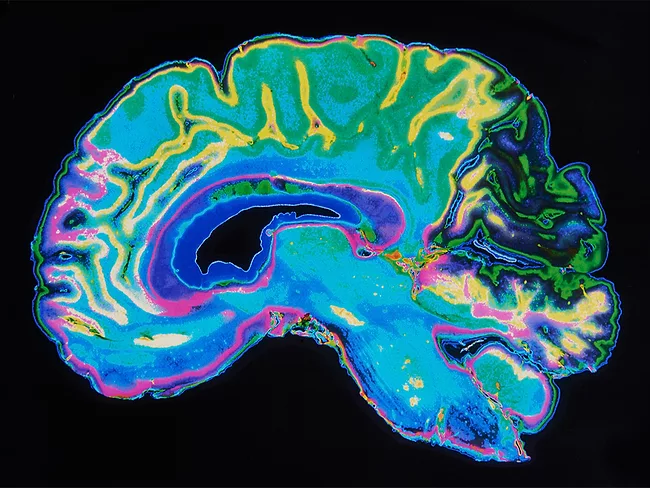
Neurodegenerative disease and cognitive decline cannot be explained by a single process. Beta-amyloid plaques, hyperphosphorylated tau, alpha-synuclein, activated microglia and astrocytes, altered receptors such as TREM2, mitochondrial dysfunction, epigenetic changes and cerebrovascular alterations all seem to contribute to the development of dementia in Alzheimer’s disease (AD). While scientists attempt to address each of these elements, prevention is growing as a primary goal.
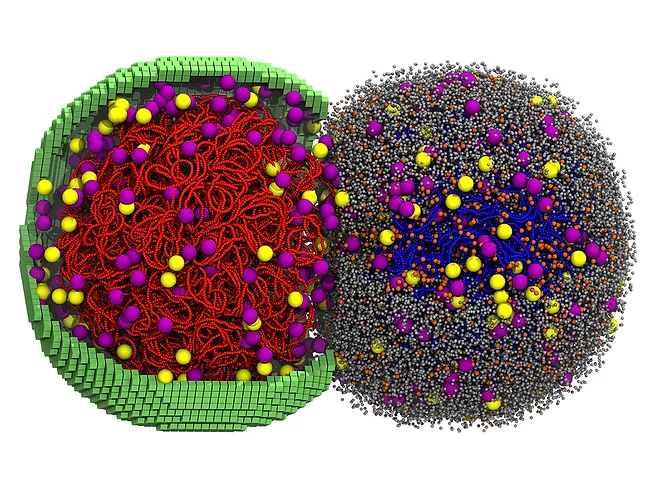
Entering a cell and watching its entire inner machinery at work, how DNA is copied, how proteins are assembled, or how it splits in two, has been, for decades, an impossible dream. Now, scientists at the University of Illinois have recreated everything that happens inside a cell at molecular scale in an unprecedented computational model. Syn3A is the first 4D digital cell, capable of combining time and space to simultaneously represent all the internal processes that drive the life cycle of a minimal prokaryotic organism.
There is broad agreement that psychiatric diagnoses in their current form are not reflective of any underlying biology, and that this is one of the things hampering psychiatric drug development. “We are still fully reliant on descriptive diagnoses that yield heterogeneous patient cohorts,” Steve Hyman told the audience at the European Congress of Neuropsychopharmacology (ECNP) Roadmap Meeting on Precision Psychiatry in Amsterdam in January.
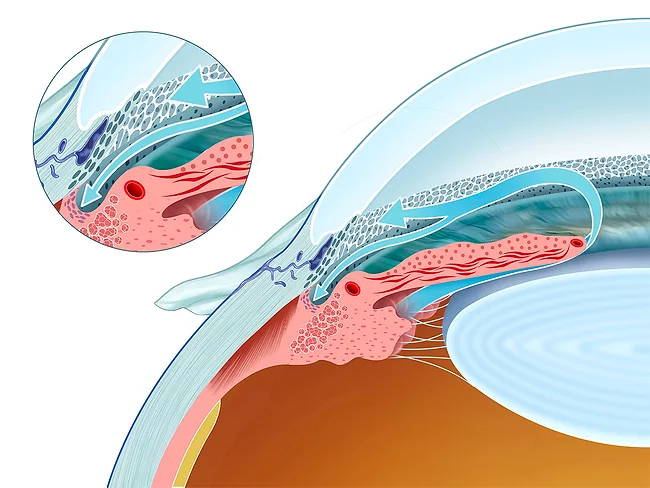
Scientists at Duke University have uncovered how macrophages help maintain intraocular pressure and have found that a specific type, resident macrophages, is essential for proper drainage of intraocular fluid. When these cells are removed, drainage becomes impaired and intraocular pressure rises, contributing to the development of glaucoma.
Similarities among three pediatric brain tumors that arise in different structures of the CNS – pineoblastoma, retinoblastoma and Group 3 medulloblastoma – have been linked to their shared origin during pineal gland development. Scientists at St. Jude Children’s Research Hospital have identified the molecular signatures that drive these tumors from pinealocyte progenitor cells that conserve a common differentiation program, providing a shared therapeutic target for these three cancer types.
 RSS
RSS