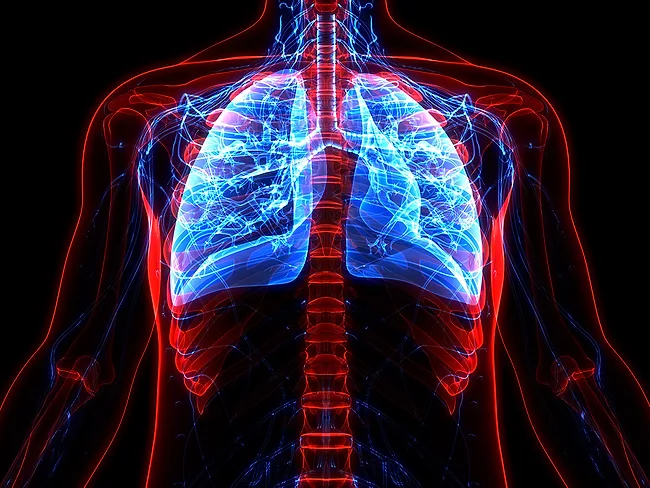
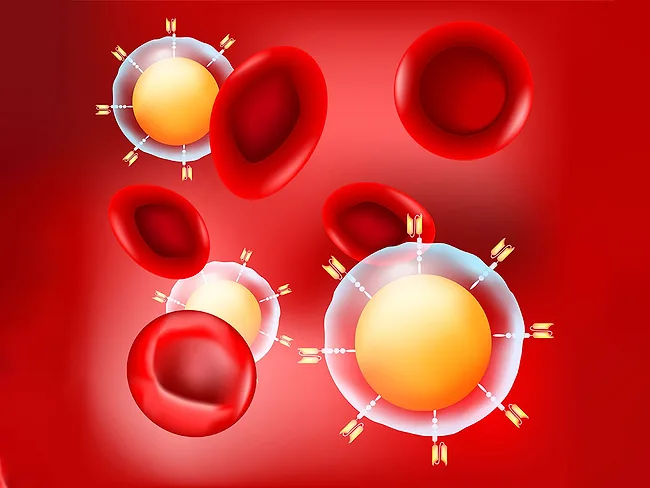
Molecular subtyping of disease is typically associated with cancer. Now, researchers at the University of Cambridge are applying it to infections. Some patients with severe pneumonia progress in different ways. Predicting their trajectories could help tailor treatments and prevent fatal outcomes. To do this, the scientists analyzed bronchoalveolar fluid from several patient cohorts and identified three biological pneumotypes based on which cells are present, which genes are active, and which inflammatory proteins are produced.
MPM Bioimpact-spawned K2 Therapeutics Inc. inked a license deal plus option agreement, worth $980.5 million apiece, to gain ex-China rights to two of Antengene Corp. Ltd.’s preclinical anticancer bispecific T-cell engager (TCE) assets. The deal, announced June 21, will grant Singapore-based K2 exclusive rights to develop and commercialize Antengene’s ATG-106 outside of mainland China, Hong Kong, Macau and Taiwan.
Researchers at the Wyss Institute of Harvard University have used a mix of machine learning and classical screening techniques to identify small molecules that were effective against Neisseria gonorrhoeae in vagina-on-a-chip and mouse models of infection. Their findings were published in the June 17, 2026, issue of Science Translational Medicine.
More and more individuals now have chronically implanted brain-computer interface (BCI) systems in their heads. Devices that can record and stimulate neural signals are increasingly moving from labs to real-world settings to test their potential to treat neurological disorders. At the same time, startups are emerging, investors are pouring money into the space and companies are accelerating their development programs. After decades of clinical research and false starts, are BCI systems finally here?
MPM Bioimpact-spawned K2 Therapeutics Inc. inked a license deal plus option agreement, worth $980.5 million apiece, to gain ex-China rights to two of Antengene Corp. Ltd.’s preclinical anticancer bispecific T-cell engager (TCE) assets. The deal, announced June 21, will grant Singapore-based K2 exclusive rights to develop and commercialize Antengene’s ATG-106 outside of mainland China, Hong Kong, Macau and Taiwan.
Schizophrenia (SZ), bipolar disorder (BP), major depression (MDD) and autism spectrum disorder (ASD) are serious mental illnesses (SMIs) that affect a significant proportion of the worldwide population. Large genome-wide association studies have pointed to overlapping genetics including both common and rare variants as cause of these SMIs. A recent study published on June 16, 2026, in Genomic Psychiatry has shed some light regarding the etiology of SMIs.
On the eve of the June 17 Vaccines and Related Biological Products Advisory Committee (VRBPAC) meeting, which will discuss Moderna Inc.’s mRNA-1010, researchers at Washington University School of Medicine in St. Louis have reported that the vaccine conferred broader and more durable protection than a standard flu shot.
Treatment with first-generation CAR T cells regularly sent patients to the intensive care unit. Now, investigators are envisioning a future where CAR T treatment could occur on an outpatient basis.
Clonal hematopoiesis (CH), where few blood stem cells produce a significant fraction of mature blood cells that are genetically identical, is partly an inevitable feature of aging. Certainly, it is near universal in those older than 60. CH is not itself a disease, but 1%-2% of CH cases progress to acute myeloid leukemia, and it raises the risk of some other types of cancer as well. A total of eight genes are responsible for 95% of CH cases, George Vassiliou told the audience in Saturday’s plenary session at the 2026 Annual Congress of the European Hematology Association (EHA 2026).
Liraglutide, a glucagon-like peptide 1 (GLP-1) receptor agonist used in diabetes and obesity, could alleviate depression through a pathway that does not depend on the GLP-1 receptor but instead on the gut microbiota, since the treatment increases the presence of the bacterium Lactobacillus delbrueckii.
 RSS
RSS