Despite the formidable challenges for developing precision psychiatry, the approach is notching its first successes in the preclinical and even some clinical settings. Many individual studies as well as large projects like the Psychiatric Ratings using Intermediate Markers studies and the Psychiatric Biomarkers Network have been looking at multiple biomarker types, and have begun to identify predictors of specific symptoms, or disease progression.
Not quite a newco, Alethio Therapeutics has emerged from a period of introspection with new management and a refreshed vision of how best to translate its roots in the biology of chronic, untreatable blood cancers into meaningful therapies.
Psychiatry has struggled to enter the precision medicine era. But through a mix of innovations and bootstrapping, progress is coming to the field. Scientists are working on improving diagnoses by investigating potential biomarkers and collection methods.
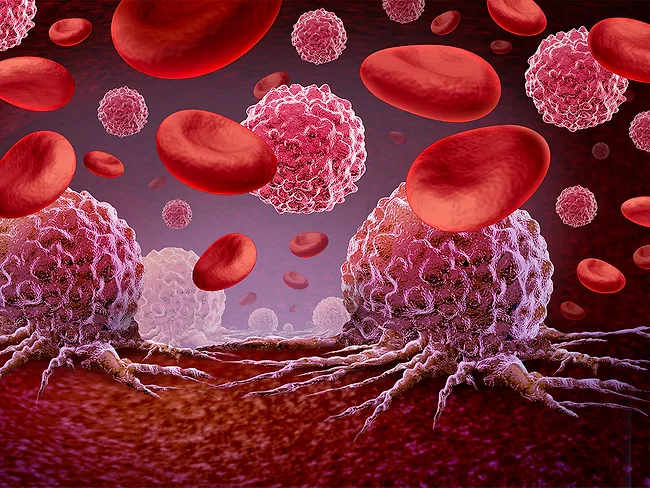
At the AACR-NCI-ORTC conference, researchers from Dewpoint Therapeutics Inc. presented advances in targeting MYC condensates, revealing a potential breakthrough strategy for treating cancers driven by MYC – a well-established oncogenic driver that is frequently overexpressed or amplified across a range of human cancers.
Bowhead whales (Balaena mysticetus) live year-round in the icy or near-icy waters of the Arctic and sub-Arctic. Although they migrate with the seasonal cycles of ice formation and melting, they never reach the warmer waters visited by other large marine mammals. Their adaptation to low temperatures may have also enabled them to live longer and avoid cancer, a disease closely linked to aging.
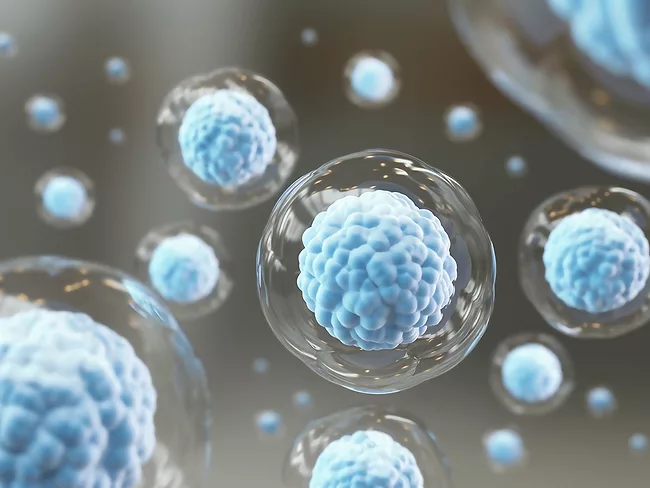
Stem cells are a promising therapeutic modality to fight aging and age-related disease, speakers at the Bio-Plus Interphex Korea 2025 said. Progress in cell-based longevity medicine is being made, they added, although safety, ethical and regulatory issues are ongoing challenges.
At this year’s AACR-NCI-EORTC conference, several presentations brought to light new ways to tackle the treatment of genomically unstable cancers. Genomically unstable cancers can be treated by exploiting their repair dependencies, inducing catastrophic DNA damage, or harnessing immune responses to instability.
Durable reprogramming of human T cells may now be possible thanks to a new technique based on the CRISPRoff and CRISPRon methodology. Researchers from the Arc Institute, Gladstone Institutes, and the University of California San Francisco have stably silenced or activated genes in this type of immune cell without cutting or altering its DNA, making T cells more resistant, active, and effective against tumors.
A technology that combines transcriptomic data and AI enables a novel approach to drug discovery based on the state of cells, how they behave and which genes they express. The Drugreflector model, developed by scientists at Cellarity Inc., learns from gene expression profiles and predicts which compounds could induce beneficial changes in that cellular state to develop a treatment.
Stem cells are a promising therapeutic modality to fight aging and age-related disease, speakers at the Bio-Plus Interphex Korea 2025 said. Progress in cell-based longevity medicine is being made, they added, although safety, ethical and regulatory issues are ongoing challenges.
 RSS
RSS