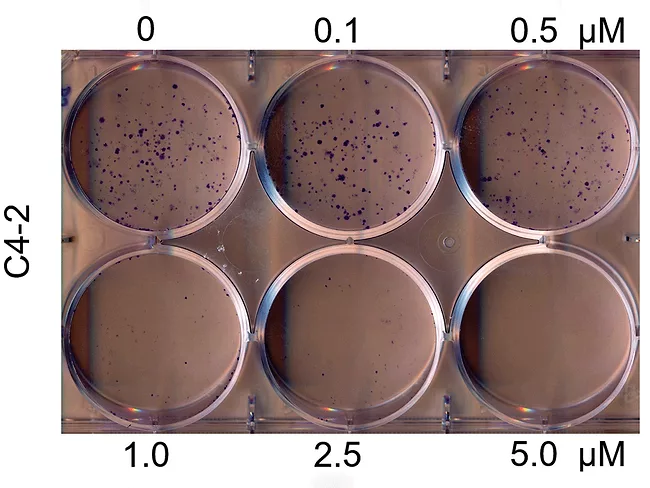
Scientists at Duke University School of Medicine in Durham, North Carolina, have developed a small-molecule inhibitor of the cellular stress-protective transcription factor, heat-shock factor 1, which showed developmental promise against treatment-resistant prostate cancer and other cancers.
Investigators at Leeds University have discovered that the proinflammatory cytokine IL-36gamma acts as a global early sensor of pathogenic invasion and discriminator of pathogenic and harmless microbes.
Keeping you up to date on recent developments in oncology, including: Multicancer screening paradigm bolstered in new study; Potentiating PARP inhibitors; New non-viral vector siRNA approach described; NICE nods to combo therapy for HCC.
Korean researchers at Sungkyunkwan University in Seoul have demonstrated that regenerative medicine using multipotent mesenchymal stem cell-derived extracellular vesicles could mitigate intraventricular hemorrhage-induced brain damage in newborn rats.
Investigators at KU Leuven have discovered that although mTOR signaling was important in primary breast tumors and lung metastases alike, the signals that activated mTOR were different between the two, and mTOR signaling could be inhibited through different mechanisms.
Keeping you up to date on recent developments in cardiology, including: Biomarkers can forecast the development of incident heart failure; Mouse model helps researchers find MAARS lncRNA; Heart disease deaths rise in age of COVID-19.
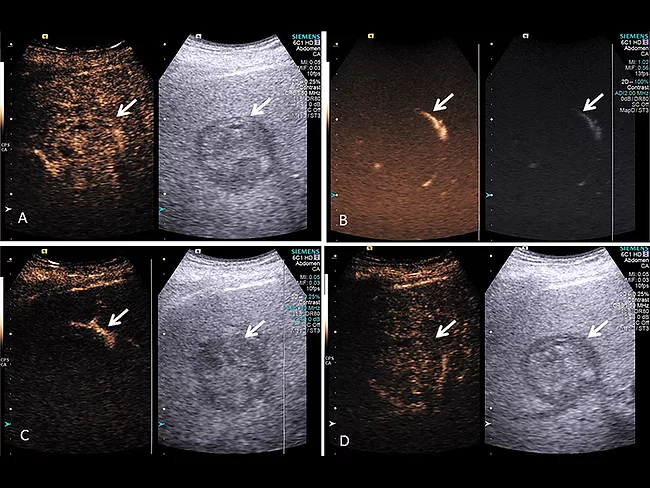
Researchers at Thomas Jefferson University have found that using ultrasound to pop microbubbles already present in a contrast agent nearly doubled liver tumor response to transarterial radioembolization. The procedure raised no safety concerns and increased the likelihood of patients receiving a liver transplant.
PERTH, Australia – Researchers at the QIMR Berghofer Medical Research Institute in Queensland have developed a way of testing whether COVID-19 patients’ immune systems are gearing up to fight the virus that causes the disease.
Scientists at Duke University School of Medicine in Durham, North Carolina, have developed a small-molecule inhibitor of the cellular stress-protective transcription factor, heat shock factor 1 (HSF1), which showed developmental promise against treatment-resistant prostate cancer and other cancers.
Keeping you up to date on recent developments in neurology, including: Research suggests SARS-CoV-2 enters the brain; Technique developed to predict seizures; Machine intelligence improves brain mapping research; Hearing, blood sugar linked to cognitive function among older Latinos.
 RSS
RSS