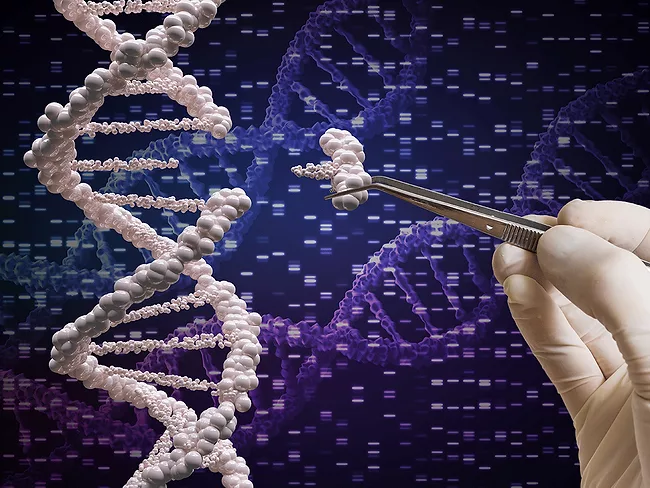
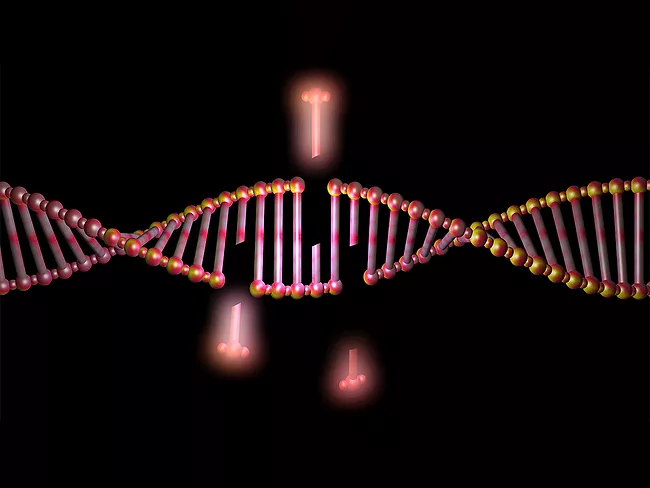
The editing in human cells and in mice of the survival motor neuron 1 gene (SMN1) restored the levels of SMN protein that the mutation of the SMN2 gene produces in spinal muscular atrophy. Scientists from the Broad Institute in Boston and The Ohio State University reversed the mutation using the base editing technique.
A live-attenuated vaccine targeting SARS-CoV-2 infection, which can be administered through the nose, has shown promise in preclinical animal studies carried out by researchers in Berlin. In an article published April 3, 2023, in Nature Microbiology, the authors reported that the COVID-19 vaccine candidate – sCPD9 – triggered the most robust immune response in a hamster model when compared with Biontech/Pfizer’s mRNA vaccine BNT162b2 and Ad2-Spike.
Partially blocking a receptor that helps regulate the activity of the inflammatory cytokine molecule interleukin-6 (IL-6) seems to promote tissue regeneration and block degeneration in a model of osteoarthritis. As reported in the March 22, 2023, issue of Science Translational Medicine, the receptor, called glycoprotein 130 (gp130), regulates both positive and negative inflammatory responses that can help regenerate tissue, but also cause degeneration.
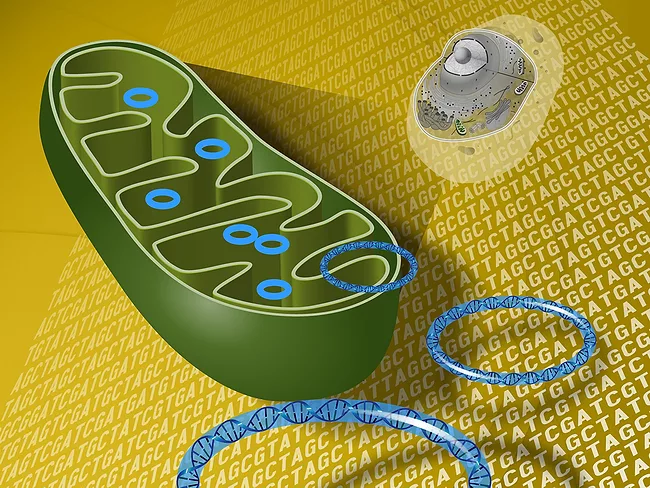
A deficiency in fumarate metabolism could be behind a new mechanism of inflammation mediated by mitochondrial DNA and RNA. Two independent and simultaneous studies described how the accumulation of fumarate in the mitochondria released the genetic material of this organelle through vesicles, activating an inflammatory signaling pathway.
Somatic human genome editing has made huge strides in the past five years, but the likely extremely high prices will be unsustainable. A global commitment to affordable, equitable access is urgently needed because the costs and infrastructure needs of this form of treatment are not manageable for either patients or health care systems.
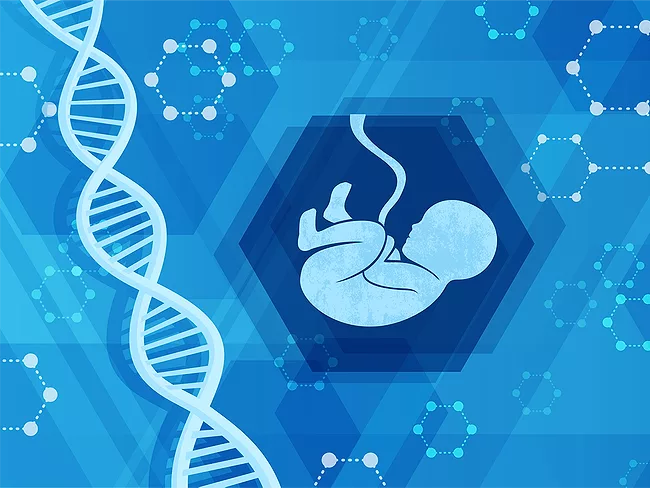
The researcher who pioneered prenatal surgery to correct neural tube defects has turned her attention to using CRISPR-edited gene therapies to correct severe monogenic diseases in utero. The availability of prenatal genetic diagnosis and advances in treating fetuses, and also in gene therapy/gene editing, make it possible to repair almost any defect in the genetic code. At the same time, there is a clear rationale for intervening before birth, Tippi MacKenzie, professor of surgery at UCSF’s School of Medicine, told attendees of the third International Human Genome Editing Conference in London on March 7.
Performing experiments and potentially manufacturing products in space offers some unique advantages in a near-zero gravity environment. Space changes buoyancy, hydrostatic pressure and convective heat flow. Researchers are studying how those changes affect cells, but also looking to take advantage of the changes to create products in manufacturing processes that wouldn’t be possible on earth.
Whether as primary tumors or metastases, brain tumors remain stubbornly intractable to the progress that has occurred in many other tumor types. As Igor Vivanco, who is a senior lecturer in the Institute of Pharmaceutical Science at King’s College London, noted in his talk at the European Society for Medical Oncology Targeted Anticancer Therapies (ESMO TAT) meeting in Paris this week, the last win in glioblastoma was the addition of temozolomide to the radiotherapy standard of care in 2005. And temozolomide’s benefit is measured in months, not years.
Performing experiments and potentially manufacturing products in space offers some unique advantages in a near-zero gravity environment. Space changes buoyancy, hydrostatic pressure and convective heat flow. Researchers are studying how those changes affect cells, but also looking to take advantage of the changes to create products in manufacturing processes that wouldn’t be possible on earth.
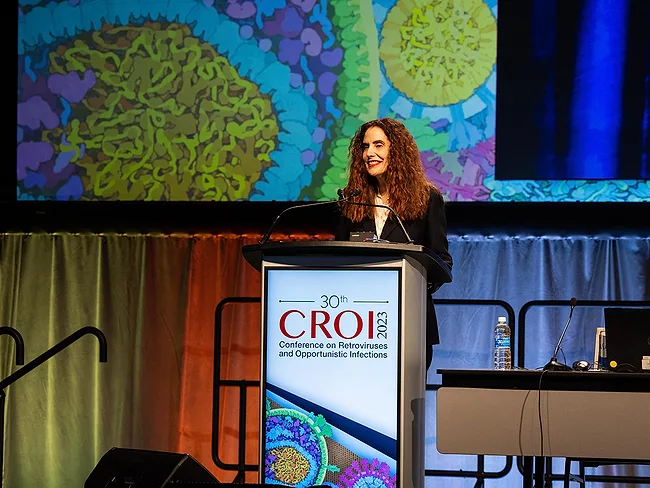
HIV research is a winding road where one obstacle leads to another, slowing down success. The first barrier to getting the cure starts before one can even talk about it. “Cure may be too powerful and promising a term. Remission is probably better,” said John Mellors, whose work led to the universal use of plasma HIV-1 RNA and CD4+ T-cell counts in HIV-1 infection.
“Cure means maintaining an undetectable viral load off antiretroviral treatment. That means you cannot transmit it to people. Within that definition, there are people that have complete eradication of every single virus. And then, you have people that have a low level of virus that are able to keep under control without drugs,” Sharon Lewin told BioWorld. “Remission is maintaining a viral load less than 50 copies per milliliter in the absence of any retroviral. But there is still virus detectable,” she explained. Lewin is the director of The Peter Doherty Institute for Infection and Immunity in Melbourne, and the president of the International AIDS Society (IAS).
 RSS
RSS