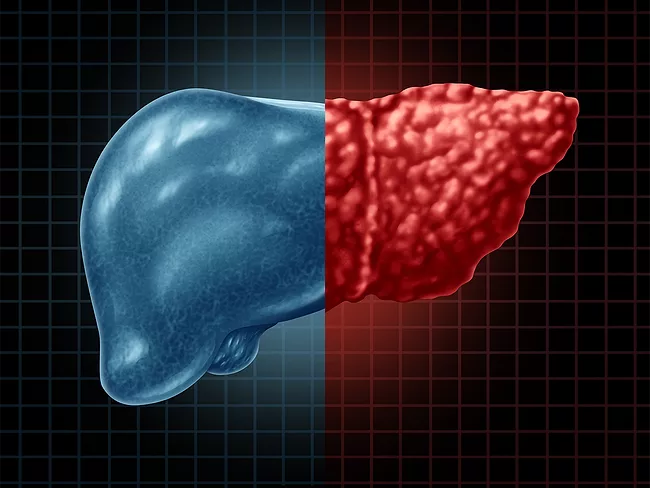
Suzhou Ribo Life Science Co. Ltd. and Ribocure AB have entered into a collaboration with Boehringer Ingelheim Pharma GmbH & Co. KG to develop novel treatments for nonalcoholic or metabolic dysfunction-associated steatohepatitis (NASH/MASH).
Arrowhead Pharmaceuticals Inc. has filed an application in New Zealand seeking clearance to initiate a phase I/IIa trial of ARO-CFB, the company’s investigational RNA interference (RNAi) therapeutic being developed as a potential treatment for complement-mediated renal disease, such as immunoglobulin A nephropathy (IgAN).
Ractigen Therapeutics Co. Ltd. has submitted a clinical trial application in Australia seeking to conduct a phase I study of RAG-01, a small activating RNA (saRNA) drug candidate, in patients with non-muscle-invasive bladder cancer who have not responded to Bacillus Calmette-Guérin (BCG) therapy.
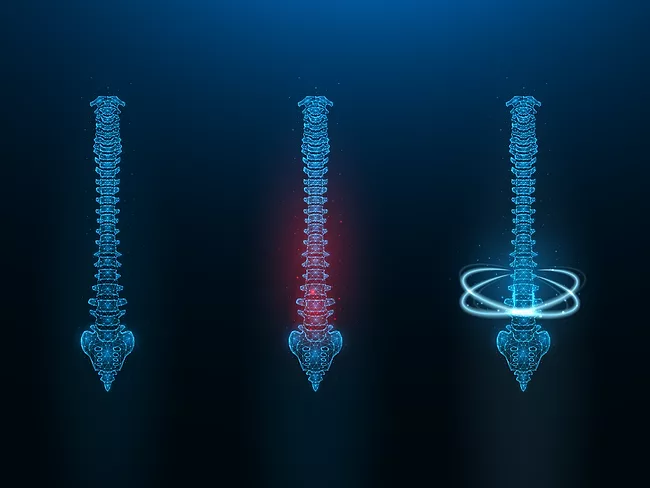
Nurexone Biologic Inc. has reported results from laboratory tests of its secondary two proprietary sequences, showing promise for the treatment of spinal cord injuries.
Ethris GmbH and Heqet Therapeutics srl, a company spun out last year from King’s College London, have entered into a collaboration agreement to harness the potential of non-coding RNA (ncRNA) for heart tissue regeneration following acute myocardial infarction and in heart failure.
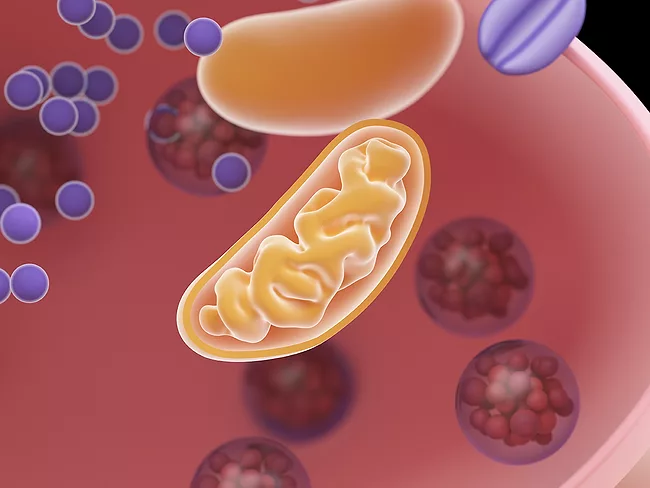
The mRNA technology used in vaccines against viral infections could also be developed for cancer therapies. A group of scientists has designed a circular RNA (circRNA) encapsulated in lipid nanoparticles (LNPs) that acts in the mitochondria of tumor cells through the protein gasdermin-D (GSDMD) and reduces adenocarcinoma. The work was published on Oct. 16, 2023, in Nature Cancer.
Deep Genomics Inc. has introduced its artificial intelligence (AI) foundation model for RNA, BigRNA, which enables discovery of disease mechanisms and candidate therapeutics.
RNA editing in schizophrenia (SCZ)-associated genes was decreased in postmortem brains of individuals of European descent, according to a study from the University of California, Los Angeles (UCLA). The scientists obtained the RNA editome from SCZ brains to detect the sequence changes in their RNA and observed hypoediting in noncoding regions related to mitochondrial function, such as the mitofusin-1 (MFN1) gene.
Treatment with a cell-penetrating peptide that prevented nuclear export of unprocessed C9ORF72 RNA and its subsequent translation into neurotoxic dipeptide repeat proteins reduced motor neuron damage and death both in fruit fly models of amyotrophic lateral sclerosis (ALS), and in patient-derived induced neuronal precursor cells (iNPCs). The work suggests that targeting nuclear export could be a therapeutic option in ALS, and possibly also frontotemporal dementia (FTD), where C9ORF72 mutations also play a role.
 RSS
RSS