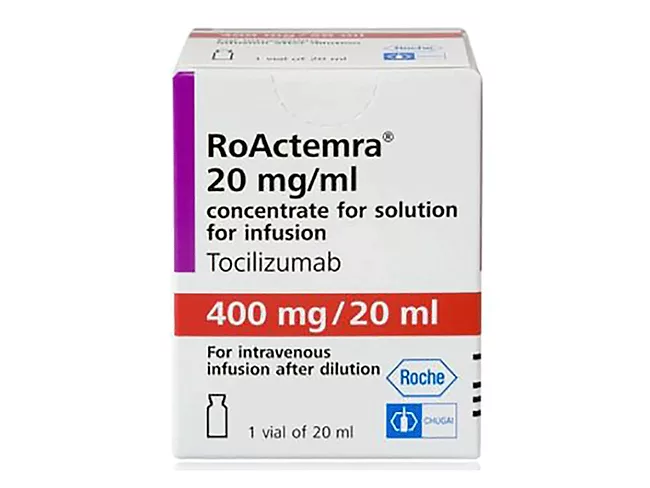
LONDON – The U.K. is to make treatment with interleukin-6 (IL-6) inhibitors standard of care for critically ill COVID-19 patients after a randomized trial found the arthritis drugs significantly improve survival.
CAJICA, Colombia – Brazil's Butantan Institute and the government of the state of Sao Paulo released efficacy results on Jan. 7 for Coronavac, developed by China’s Sinovac Biotech Ltd., that suggest the COVID-19 vaccine is more than 78% effective.
DUBLIN – Curevac AG has entered a global alliance with Bayer AG to accelerate its efforts to bring a third, desperately needed mRNA-based COVID-19 vaccine to market. The vaccine in question, CVnCoV, began a pivotal phase IIb/III trial on Dec. 14.
Clinical updates, including trial initiations, enrollment status and data readouts and publications: Abbvie, Aldeyra, Alnylam, AM-Pharma, Basilea, Pfizer, Pharmaessentia.
Mycovia Pharmaceuticals Inc. said new phase III data on its oral antifungal, oteseconazole, showed that 37 weeks after women with a history of recurrent vulvovaginal candidiasis received a dose of the medicine for an episode of acute yeast infection, just 5.1% saw a recurrence of infection vs. 42.2% of those treated with fluconazole. Furthermore, oteseconazole proved noninferior to fluconazole in the resolution of symptoms at day 14 of the study.
Imara Inc. reported a mixed bag of phase IIa study data for its lead candidate, IMR-687, for treating sickle cell disease in adults, bringing an end to a study that the company found cumbersome and that eventually stung its stock.
COVID-19 vaccines have taken most of the limelight lately, but therapies are making progress, too, with San Diego-based Atyr Pharma Inc. and Cerecor Inc., of Rockville, Md., separately offering favorable phase II news.
A metastatic renal cell carcinoma (RCC) trial once expected to pave a path to registration for the Calithera Biosciences Inc. candidate telaglenastat failed to show a benefit from the drug in a new analysis of the pivotal phase II study, Cantata. While company executives voiced confidence in the drug's prospects in another indication, non-small-cell lung cancer (NSCLC), analyst and investor faith appeared less sturdy, as company shares (NASDAQ:CALA) fell 44.6% to $2.72 on Jan. 4.
 RSS
RSS