Alkermes plc’s recent update on sales of the schizophrenia drug Lybalvi (also indicated for bipolar I disorder) along with positive phase III data from Karuna Therapeutics Inc. from tests of Karxt (xanomeline plus trospium) shone more light on the troublesome indication, where Cerevel Therapeutics Holdings Inc. is advancing emraclidine in what could be a registrational phase II study.
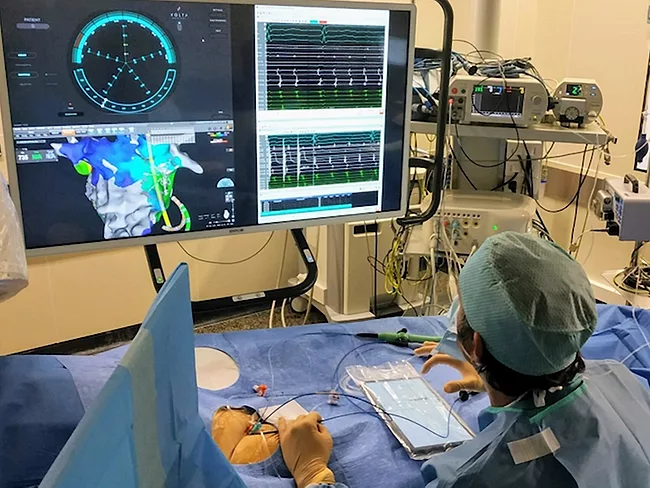
Volta Medical SAS reported validation for its VX1 software mapping system, an artificial intelligence (AI) algorithm compatible with most commonly available multi-pole catheters and technology used in operating rooms and cath labs for treating cardiac arrhythmia. Results from the proof-of-concept-study were published in the Journal of Cardiovascular Electrophysiology.
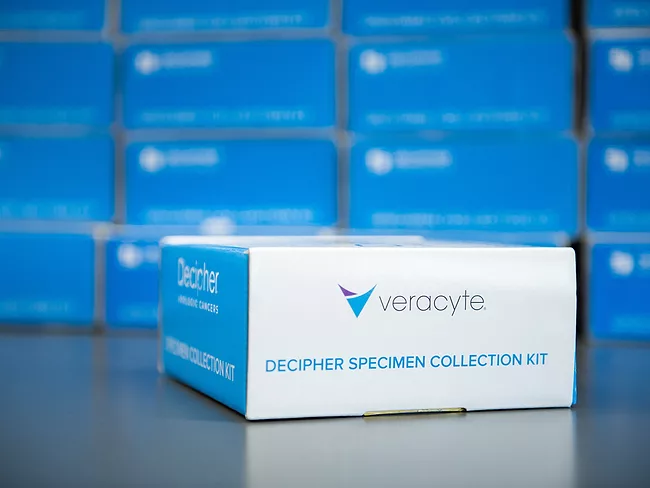
Aggressive prostate cancer disproportionately affects—and kills—African American men, but identifying which men are at highest-risk has proved challenging, particularly in younger patients. Veracyte Inc.’s Decipher prostate genomic classifier could help identify these men with early, localized prostate cancer at the greatest risk of aggressive disease, a new study published in the Journal of the National Cancer Institute found.
DBV Technologies SA blindsided investors by disclosing that the U.S. FDA had placed a partial clinical hold on its phase III Vitesse trial of its Viaskin Peanut patch immunotherapy for peanut allergy, calling for several changes to the study protocol. Its demands came just two weeks after the company claimed to have finalized the protocol in consultation with the agency.
Polaris Pharmaceuticals Inc.’s pegargiminase (pegylated arginine deiminase/ADI-PEG 20) met the primary endpoint of a statistically significant improvement in overall survival and the secondary endpoint of significant improvement in progression-free survival in patients enrolled in the pivotal phase II/III Atomic study in malignant pleural mesothelioma.
It failed to meet the primary endpoint at six months, but the European chief investigator for Biogen Inc.’s phase III trial of tofersen in treating amyotrophic lateral sclerosis (ALS) now describes the study as “trailblazing,” following a six-month open label extension.
The 2022 Transcatheter Cardiovascular Therapeutics annual meeting highlighted mostly positive outcomes from major trials conducted by nearly all the big players in the cardiac device market. Here’s our round-up of the meeting’s high points, with updates from Abbott Laboratories, Abiomed Inc., Boston Scientific Corp., Edwards Lifesciences Corp., Inari Medical Inc., Medtronic plc and Recor Medical Inc.
Transcatheter aortic valve replacement (TAVR) continues to grow, so it is little surprise that the 2022 Transcatheter Cardiovascular Therapeutics (TCT) annual meeting featured multiple presentations about TAVR-related devices and outcomes. The American College of Cardiology/American Heart Association’s latest guidelines recommends TAVR for patients over age 80 and surgery for those under age 65. Those in the middle can go either way, depending on comorbidities and patient preferences.
Abiomed Inc., has worked the ventricular assist device (VAD) space for a number of years with its Impella series of VADs, and a study coming out of Japan seems to affirm investors’ confidence in these devices. This registry study demonstrated that the combination of Impella devices and extracorporeal membrane oxygenation (ECMO) provides a 30-day survival rate of more than three in four patients with cardiogenic shock, an outcome that is said to support the notion that the native heart tissue can recover from myocarditis, an especially salient consideration for those who contracted the SARS-CoV-2 virus.
In an unexpected turn of events, Medtronic plc presented results from the Symplicity HTN-3 trial at year 3 showed sustained reductions in blood pressure with radiofrequency renal denervation (RDN) for resistant hypertension, contrary to the trial’s results at the six-month mark—and it wasn’t alone in showing positive results for the procedure.

 RSS
RSS