A lackluster efficacy signal has prompted Editas Medicine Inc. to pause enrollment in a phase I/II trial of its CRISPR/Cas9-based gene editing therapy, EDIT-101, which is in development for patients with a particular form of Leber congenital amaurosis type 10.
Astellas Pharma Inc.’s zolbetuximab, a monoclonal antibody targeting Claudin 18.2, met the primary endpoint of progression-free survival in the phase III Spotlight trial in CLDN18.2-positive, HER2-negative, locally advanced unresectable or metastatic gastric or gastroesophageal junction adenocarcinoma, according to top-line data.
Reistone Biopharma Co. Ltd. said both doses of the JAK1 inhibitor ivarmacitinib, tested against moderate to severe atopic dermatitis (AD) in a multinational phase III trial, met the study’s co-primary endpoints, delivering significant improvements on a common measure of disease severity vs. placebo. It’s the first National Class A new drug for AD that is designed and developed in China, according to the company.
Immutep Ltd.’s lead immunotherapy candidate eftilagimod (IMP-321, efti) met the primary endpoint in its phase II trial evaluating the combination of efti and Merck & Co. Inc.’s Keytruda (pembrolizumab) as first-line treatment of non-small-cell lung cancer (NSCLC), reporting final data that show an overall response rate of 40.4%.
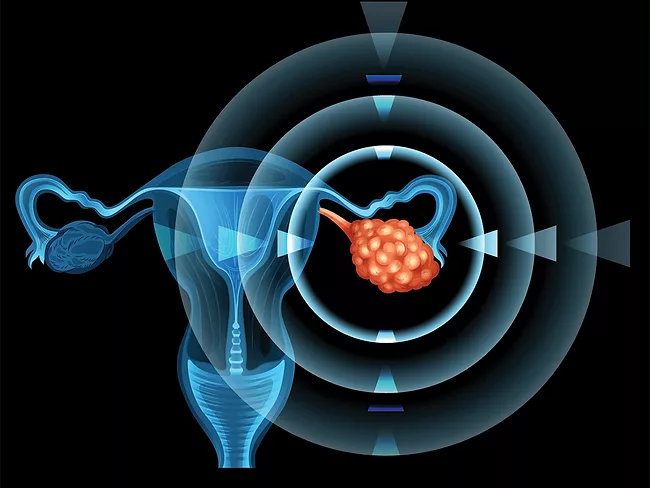
Que Oncology Inc.’s Q-122 significantly reduced the frequency and severity of moderate and severe vasomotor symptoms, or hot flashes, in women taking endocrine therapy for breast cancer, and phase II results showed associated improvement in quality of life, compared with placebo.
GSK plc said it will restrict the second-line maintenance indication for ovarian cancer drug Zejula (niraparib) to only patients with deleterious or suspected germline BRCA mutations, at the request of the FDA, in a sign that U.S. regulators aren’t going to relax scrutiny on PARP inhibitors any time soon.
Que Oncology Inc.’s Q-122 significantly reduced the frequency and severity of moderate and severe vasomotor symptoms, or hot flashes, in women taking endocrine therapy for breast cancer, and phase II results showed associated improvement in quality of life, compared with placebo.
Two phase III failures with Roche Holding AG subsidiary Genentech Inc.’s gantenerumab in staving off mild cognitive impairment tied to Alzheimer’s disease (AD) revealed the level of amyloid-beta removal was lower than the company expected. The protein amyloid beta accumulates in the brains of AD patients and its removal is suspected to be an eventual boon to AD patients. But there are still plenty of doubts. Top-line results from Genentech’s phase III Graduate I and II studies show gantenerumab, a fully human monoclonal IgG1 antibody, missed the primary endpoints of slowing clinical decline in those with mild cognitive impairment due to AD and mild AD dementia.
One way psychiatric disorders differ from neurological disorders is by the absence of anatomically defined neuropathology. “Alzheimer's disease, Parkinson's disease or stroke have a very clear picture of what cells are changing and how they're changing. The specific changes are very clear under a microscope, but in psychiatric diseases one hasn't been able to see that,” Daniel Geschwind told BioWorld.
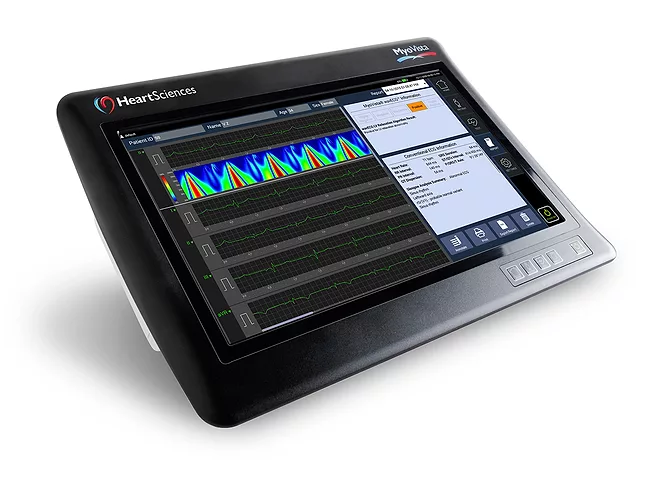
Heart Test Laboratories Inc., doing business as Heartsciences, said an independent study shows its Myovista electrocardiogram (ECG) machine learning model could be a cost-effective way to predict and stratify cardiac risk.
 RSS
RSS