George Medicines, a new spinout from Australia’s George Institute for Global Health, could offer patients better control of their blood pressure as well as fewer side effects thanks to an ultra-low-dose triple combination. A polypill that combines multiple medicines into a single tablet, GMRx2 was developed out of a 20-year research program at The George Institute for Global Health. The single pill is a combination of three best-in-class medicines: telmisartan, amlodipine and indapamide.
In a boon for companies developing brain-computer interface (BCI) technologies, researchers have used a BCI and artificial intelligence to restore touch sensations in a bionic arm.
To realize the promise of cell therapy for neurodegenerative disorders, S.Biomedics Co. Ltd. is looking to expand clinical trials of TED-A9, its stem cell therapy for Parkinson’s disease (PD), to the U.S., having reaped positive results from a domestic phase I/IIa trial in November 2024.
“The [colorectal cancer field is moving, and thankfully it’s moving quickly,” said Marwan Fakih, gastrointestinal specialist at City of Hope, speaking about initial phase II data from Xilio Therapeutics Inc.’s ongoing trial with vilastobart (XTX-101) when paired with PD-L1-blocking antibody Tecentriq (atezolizumab, Roche AG) in metastatic microsatellite stable disease.
Tris Pharma Inc.’s positive top-line data from a pivotal phase III study of cebranopadol in pain relief has the company thinking about an NDA submission later in the year. The company’s goal is to avoid the problems opioids have brought to treating pain.
Shionogi & Co. Ltd. won a $375 million project agreement from the Rapid Response Partnership Vehicle to develop its 3CL protease inhibitor, S-892216, as a long-acting injectable for COVID-19 pre-exposure prophylaxis. The project was awarded to New Jersey-based Shionogi Inc., a subsidiary of the Osaka, Japan-based pharmaceutical company. S-892216 is an investigational second-generation 3CL protease inhibitor in development as a long-acting injectable for prophylaxis treatment of SARS-CoV-2.
A 6.5-month-old boy with the rare inherited urea cycle disorder ornithine transcarbamylase (OTC) deficiency has responded positively in a targeted in vivo gene editing trial, in which a correct copy of a defective gene was inserted at a precise locus in the genome.
Shionogi & Co. Ltd. won a $375 million project agreement from the Rapid Response Partnership Vehicle to develop its 3CL protease inhibitor, S-892216, as a long-acting injectable for COVID-19 pre-exposure prophylaxis.
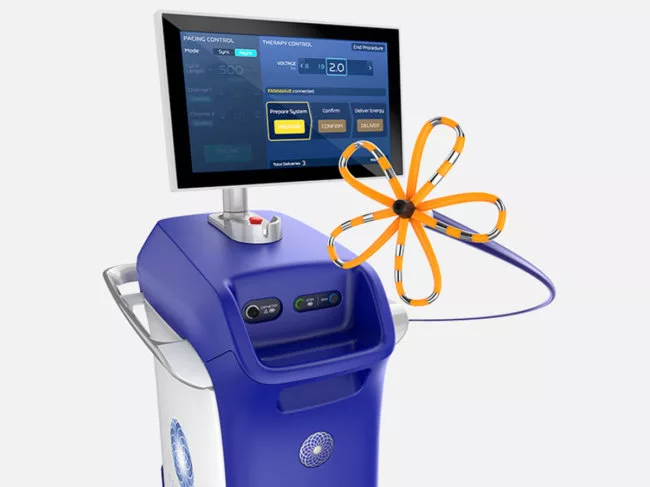
Boston Scientific Corp. reported positive data for two key atrial fibrillation therapies at AF Symposium 2025 on January 17. In late-breaking data presentations, the ADVANTAGE AF trial for the Farapulse PFA system met its primary endpoints, showing a 2.3% safety event rate and 63.5% effectiveness rate in treating persistent atrial fibrillation (AF) patients, with an 85.3% symptomatic AF recurrence-free rate. Additionally, a sub-analysis of the OPTION trial demonstrated that the Watchman FLX device significantly reduced bleeding outcomes compared to oral anticoagulants.
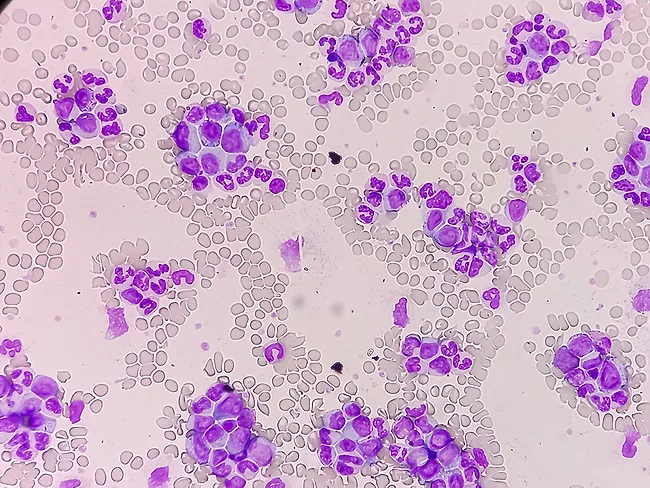
Immunoforge Co. Ltd.’s approval of an IND by the Korea Ministry of Food and Drug Safety reminded Wall Street – not that anybody needed reminding – about the marketplace jostle among therapies for chronic myeloid leukemia (CML), where a number of drugs are cleared by the U.S. FDA but significant need remains in terms of efficacy as well as tolerability.
 RSS
RSS