Japan’s investor community is ramping up both inbound and outbound investment to create a cross-border fertile hub of innovation in Japan, investors said during a panel discussion at Bio Japan 2025 held in Yokohama Oct. 8 to 10.
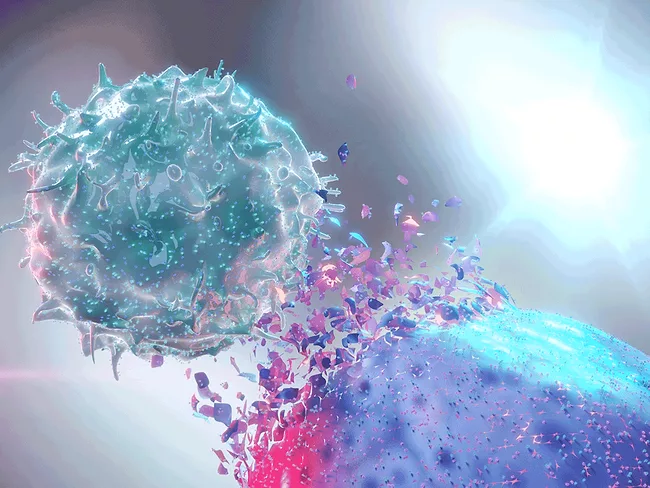
The transition from complex and costly ex vivo strategies to platforms that enable direct cellular intervention within the body, known as in vivo therapies, is marking a paradigm change in the field of gene and cell therapies by simplifying manufacturing, improving tissue targeting and expanding clinical access to treatments.
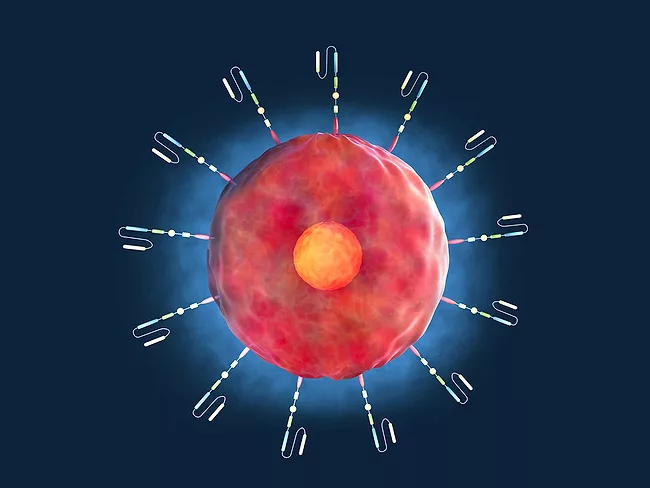
As the many challenges facing cell therapies are being addressed, the CAR T field continues to evolve beyond its original design of T cells engineered to target hematological malignancies. During the 32nd Annual Congress of the European Society of Gene and Cell Therapy (ESGCT), held in Seville Oct. 7-10, several studies showed how this technology is being redefined as programmable and adaptable immune cells with expanded functional versatility.
The 2025 Nobel Prize in Chemistry “is a story full of holes, but with enormous capacity to absorb all your attention,” Heiner Linke told reporters. “And other things.” Linke is Chair of the Nobel Committee for Chemistry. On Oct. 8, 2025, the committee announced that it has awarded the 2025 Nobel Prize in Chemistry to Susumu Kitagawa, Richard Robson and Omar Yaghi “for the development of metal-organic frameworks” (MOFs).
A team of U.S. and South Korean researchers have developed an AI model called MSI-SEER that can not only predict microsatellite instability-high (MSI-H) tumors based on tissue slides, but also flag “what it does not know.” “Have you ever asked ChatGPT anything, and the response was, ‘I don’t know?’” Cheong Jae-ho asked during an interview with BioWorld. “Probably not, and that is the problem with AI now.”
Newco Trogenix Ltd. has emerged from incubation and raised £70 million (US$94.1 million) in a series A, as it prepares the ground for a U.S/U.K. clinical trial of a novel gene therapy construct in glioblastoma multiforme that is due to start at the beginning of 2026.
Nanyang Biologics Pte. Ltd. has entered a $1.5 billion business combination agreement with RF Acquisition Corp II, a Nasdaq-listed special purpose acquisition company. Singapore-based Nanyang Biologics (NYB) is building a hybrid platform to revolutionize drug discovery by combining machine learning with natural compound libraries, and NYB claims it is developing one of the world’s largest AI-curated collections of bioactive compounds.
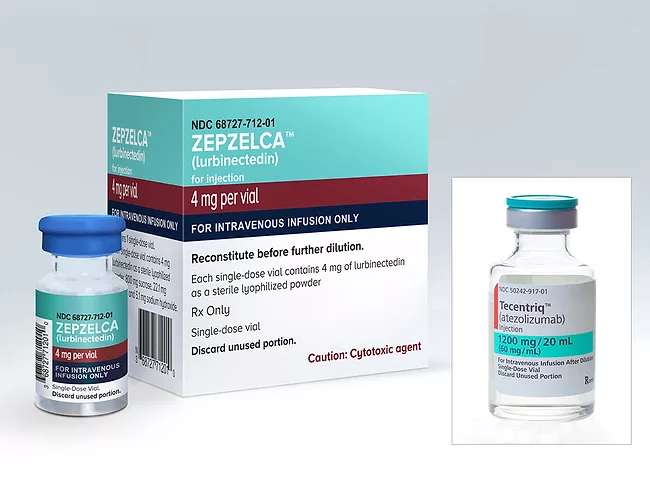
The U.S. FDA has approved the priority sNDA for a new first-line maintenance therapy in extensive-stage small-cell lung cancer from Jazz Pharmaceuticals plc. Zepzelca (lurbinectedin) can now be combined with Tecentriq (atezolizumab, Roche AG) or atezolizumab and hyaluronidase-tqjs (Tecentriq Hybreza, Roche) as a maintenance therapy for adults who haven’t progressed after first-line induction therapy with atezolizumab, carboplatin and etoposide.
Takeda Pharmaceutical Co. Ltd. is exiting all work in cell therapies and will seek an external partner to advance the company’s research and clinic-ready cell therapy programs, the company said, noting that it is not currently running any clinical trials using cell therapy technology.
The BioWorld Cancer Index closed the third quarter (Q3) of 2025 with a 24.15% gain, marking its highest level of the year. The climb reversed earlier declines, including a 12.81% drop at the end of Q1, and half-year performance of 2.21%. Broader markets showed a similar rebound, with the Nasdaq Biotechnology Index up 13.21% and the Dow Jones Industrial Average rising 9.06%, both finishing Q3 at their highest points of 2025.
 RSS
RSS