Genfleet Therapeutics (Shanghai) Inc. debuted on the Hong Kong Stock Exchange on its second attempt at an IPO, raising HK$1.819 billion (US$234 million). Genfleet’s shares (HKEX:2595) rose to HK$44.00 at the opening bell on Sept. 19 and closed at HK$42.10, about 106% higher than the listing price.
Two back-to-back papers published in Nature on Sept. 10, 2025, shed new light on the unexpected role of neurons in shaping the evolution of small-cell lung cancer (SCLC). It’s already known that, in gliomas, cerebral cancer cells actively damage axons, contributing to tumor progression through direct neural disruption. Comparable nerve-tumor interactions have been reported in peripheral cancers, where tumor-induced nerve disruption promotes inflammation and an immunosuppressive microenvironment linked to immunotherapy resistance.
Patients with relapsed/refractory multiple myeloma (r/r MM) treated with Carsgen Therapeutics Holdings Ltd.’s CAR T therapy, zevorcabtagene autoleucel (zevor-cel, CT-053), have shown durable responses lasting nearly five years.
When Robert Kennedy Jr. announced the cancellation of 22 projects related to mRNA vaccines and the end of new investments in that technology, the U.S. Secretary of Health only mentioned their use against respiratory viruses, without referring to other applications. The vaccines whose safety and effectiveness Kennedy is questioning are based on the same molecular principles as cancer vaccines under development. “Continued investment in mRNA technology is essential to fully realize its potential in oncology and ensure that promising strategies like neoantigen-based vaccines reach clinical application.” Kazuhiro Kakimi, professor at the Department of Immunology at Kindai University Faculty of Medicine, told BioWorld.
Artificial intelligence is no longer just a supporting tool in biotechnology – it is beginning to define the way drugs are discovered, tested and advanced into the clinic, speakers said during the Bio Hong Kong conference Sept. 10 to 13.
In August, a press release from HHS announced the cancellation of 22 vaccine research projects based on mRNA, the latest available technology aimed at developing therapies for viral infections, cancer, and genetic conditions. What happens to mRNA innovation when funding dries up? This series explores how reductions in funding could impact mRNA technology, affecting innovation, research and future therapies.
Positive results for Revolution Medicines Inc.’s phase I studies of its lead candidate, the RAS-blocker daraxonrasib for treating pancreatic ductal adenocarcinoma, prompted the company to say it’s time for a phase III study in the aggressive cancer. Revolution said it plans to begin a global, randomized and registrational trial in first-line metastatic disease sometime in the fourth quarter of 2025.
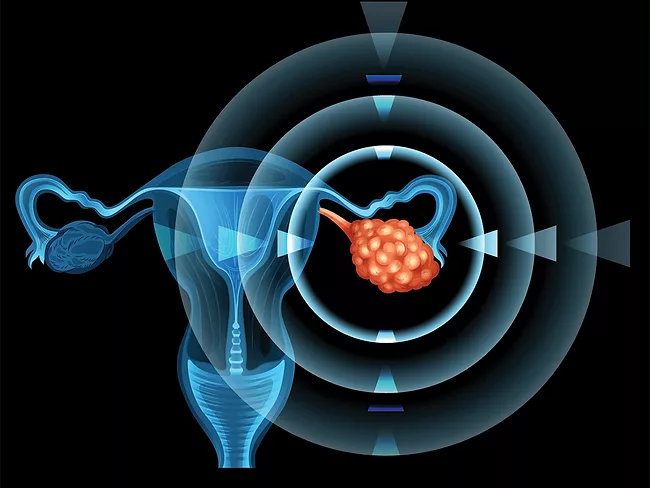
PMV Pharmaceuticals Inc.’s rezatapopt yielded impressive overall response data in ovarian cancer, prompting the firm to aim for a potential accelerated approval filing in early 2027. The news caused the firm’s stock (NASDAQ:PMV) to jump in premarket trading, but shares ended the day at $1.27, down 20%, as investors signaled they are clearly holding out for further data confirming broader market potential for the p53-targeting small molecule.
Less than two months after receiving priority review status for an NDA, Johnson & Johnson won U.S. FDA approval of Inlexzo, its intravesical gemcitabine-releasing system previously known as TAR-200, to treat adults with Bacillus Calmette-Guérin-unresponsive, non-muscle invasive bladder cancer (NMIBC) with carcinoma in situ, with or without papillary tumors.
 RSS
RSS