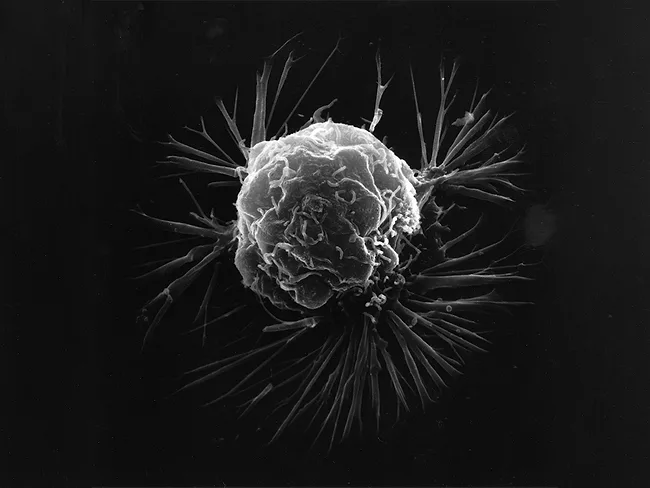
New five-year breast cancer survival data from Greenwich Lifesciences Inc. ignited its stock for a wild ride that climbed nearly 1,000% upward Dec. 9, marking one of the biotech sector’s biggest single-day gains in 2020.
Data presented at the 2020 San Antonio Breast Cancer Symposium (SABCS) – held, of course, in cyberspace and not San Antonio this year – added to the evidence that adding Verzenio (abemaciclib, Eli Lilly and Co.) to endocrine therapy for up to two years benefited women with high-risk, early stage hormone receptor-driven and HER2-negative breast cancer.
HONG KONG – Taipei, Taiwan-based Pharmaengine Inc. has signed a collaboration and licensing deal with Cambridge, U.K.-based Sentinel Oncology Ltd. for the latter’s checkpoint kinase 1 inhibitor, SOL-578. Through the agreement, Sentinel will receive an exclusivity payment and Pharmaengine will fund the IND-enabling studies.
Paige has received good news in the EU, securing a CE mark for its breast cancer detection software that highlights suspicious areas for pathologists to review further. It also received a CE mark for Paige Prostate Grading & Quantification, which offers slide level information for primary and secondary Gleason patterns and tumor size to inform treatment planning.

 RSS
RSS