Revolution Medicines Inc. followed the results offered last month with zoldonrasib (RMC-9805), a RAS G12D (ON) inhibitor, with plenty more about pipeline progress – “an embarrassment of riches,” CEO Mark Goldsmith said – during the firm’s first-quarter update. Shares of the firm (NASDAQ:RVMD) closed May 8 at $41.91, up $4.25, or 11%.
Bristol Myers Squibb Co. has identified molecular glue degraders comprising cereblon ligands and a eukaryotic peptide chain release factor GTP-binding subunit ERF3A (GSPT1)-targeting moiety acting as GSPT1 degradation inducers reported to be useful for the treatment of cancer.
Solute carrier family 25 member 19 (SLC25A19) is a transporter protein of thiamine pyrophosphate across cellular membranes, which is needed as a cofactor for multiple metabolic enzymes and is important for homeostasis regulation. It was hypothesized that SLC25A19 may be a pan-cancer marker and a therapeutic target, and more concretely in hepatocellular carcinoma (HCC).
The expression of tissue factor (TF) is limited in normal tissues to the perivascular compartment where it acts as the receptor for the serin protease factor VIIa. This signaling axis triggers the initiation of extrinsic coagulation protease cascade.
Viverita Therapeutics Inc. has established a strategic research collaboration with Boehringer Ingelheim Pharma GmbH & Co. KG aimed at accelerating the discovery and validation of novel therapeutic targets for cancer.
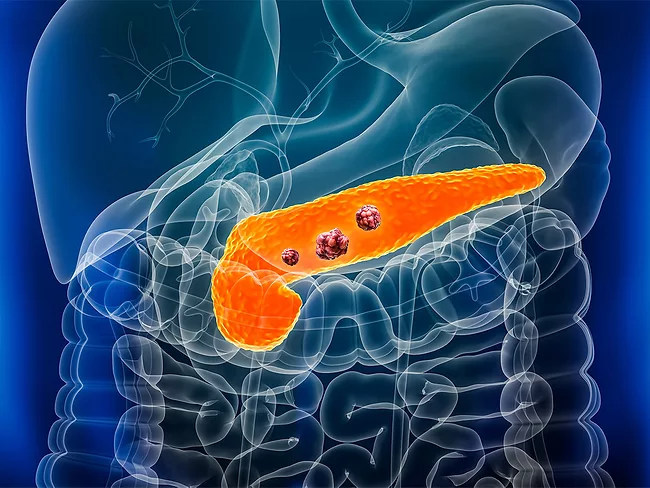
Theriva Biologics Inc.’s stroma-targeting oncolytic virus approach yielded positive findings in metastatic pancreatic ductal adenocarcinoma, with the top-line readout of phase IIb data showing VCN-01 (zabilugene almadenorepvec) in combination with chemotherapy bested chemotherapy alone on primary and secondary endpoints, which included overall survival.
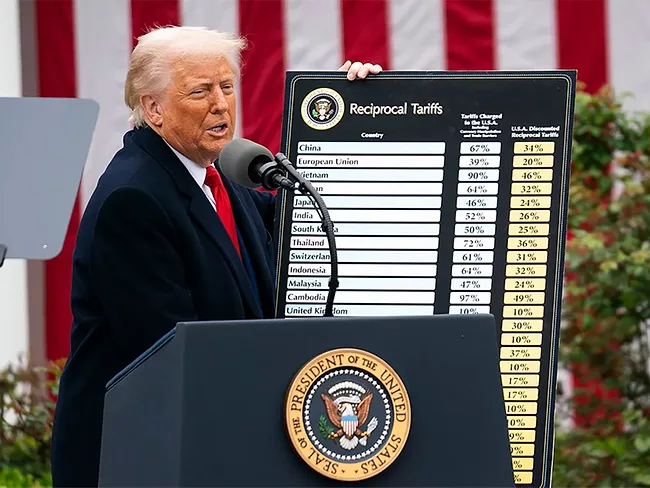
South Korean government and biopharmaceutical industry representatives urged American policymakers May 7 to refrain from imposing tariffs on pharmaceutical imports, and to spare allies if pharma tariffs are deemed necessary. Both Korea’s Ministry of Health and Welfare on May 4 and the Korea Biotechnology Industry Organization on May 6 submitted comments to the U.S. Department of Commerce in response to its ongoing investigation of pharmaceutical imports.

 RSS
RSS