Cancer Research Technology Ltd. and My-T Bio Ltd. have jointly developed biarylamide derivatives acting as membrane-associated tyrosine- and threonine-specific cdc2-inhibitory kinase (PKMYT1) inhibitors with potential for the treatment of cancer.
Work at Axcynsis Therapeutics Pte. Ltd. has led to the creation of antibody-drug conjugates (ADCs) comprising antibodies covalently linked to ecteinascidin and lurbinectedin derivatives through a linker; they are reported to be useful for the treatment of cancer.
Vividion Therapeutics Inc. has patented 2-azaspiro[3.3]heptane derivatives acting as signal transducer and activator of transcription 3 (STAT3) inhibitors potentially useful for the treatment of cancer.
Insilico Medicine Inc. has synthesized cyclin-dependent kinase 8/19 (CDK8/19) dual inhibitors reported to be useful for the treatment of autoimmune disease and cancer.
A new series of proteolytic targeting chimeras (PROTACs) was designed by Zhejiang University of Technology scientists based on a previously described PD-L1 inhibitor, and systematic screening of ligands and linkers, combined with structure-activity relationship analysis of the degraders, led to the identification of compounds [I] and [II] as the most active candidates.
Suzhou Ribo Life Science Co. Ltd. recently reported on the development and preclinical characterization of a novel blood-brain barrier (BBB)-penetrating oligonucleotide drug, RBD-8088, for the treatment of glioblastoma.
Researchers from Maruho Co. Ltd. published data regarding the development and preclinical evaluation of a novel orally available bromodomain-containing protein 4 (BRD4) inhibitor for the treatment of melanoma.
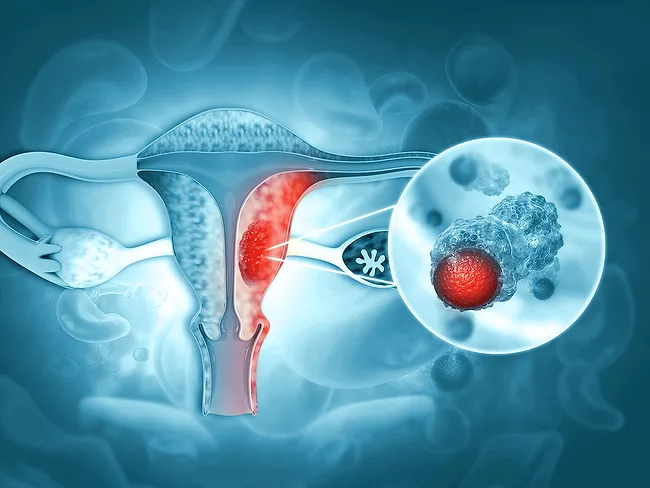
Endometrial cancer (EC) accounts for 20% to 30% of most malignant tumors of the female reproductive system, making it one of the most common. Furthermore, the 5-year survival rate of patients with early-stage EC is 90%, but this number decreases to 20% in late-stage disease.
The FDA’s Oncologic Drugs Advisory Committee (ODAC) met for what chairperson Christopher Lieu called, at the end, “an incredibly long day” to decide whether approval of immune checkpoint inhibitors should be restricted in accordance with expression levels of PD-L1.

 RSS
RSS