Sibylla Biotech SpA and the University of Texas MD Anderson Cancer Center have signed a strategic collaboration agreement to discover and develop novel small molecule folding interfering degraders (FIDs) for the treatment of cancer.
High weight is associated with a greater risk of developing many cancers, and with an increased risk of metastasis. But in some cancers such as renal cell carcinoma, it is also associated with better survival and a better response to immunotherapies in particular.
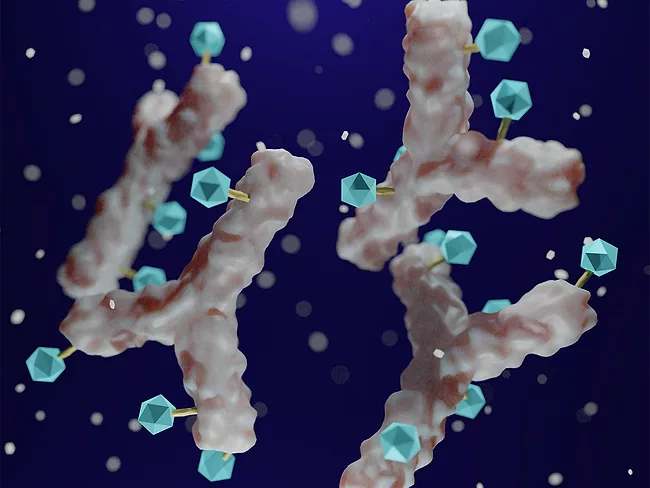
Acepodia Inc.’s antibody cell conjugation platform could change the way CAR T-cell therapies are manufactured, clearing the way for an off-the-shelf model to treat numerous cancers that is safer and cheaper than current CAR Ts, Acepodia CEO Sonny Hsiao told BioWorld.
Lung cancer stands as the second most common cancer worldwide and it is estimated that about 85% of diagnosed cases are non-small-cell lung cancers, with lung adenocarcinoma (LUAD) the most common subtype.
The therapeutic response of approved KRAS inhibitors is not always durable and patients develop resistance frequently. To enhance this durability, the search for KRAS inhibitors in combination with drugs that target downstream or upstream components of RAS is crucial.
Acepodia Inc.’s antibody cell conjugation platform could change the way CAR T-cell therapies are manufactured, clearing the way for an off-the-shelf model to treat numerous cancers that is safer and cheaper than current CAR Ts, Acepodia CEO Sonny Hsiao told BioWorld.
Arrivent Biopharma Inc. and Jiangsu Alphamab Biopharmaceuticals Co. Ltd. have signed a development deal that leverages Alphamab’s antibody-drug conjugate (ADC) research and discovery platform and could bring Alphamab up to $615.5 million.
Australian radiopharmaceutical company Telix Pharmaceuticals Ltd. announced its IPO on the Nasdaq to raise $200 million to advance its late-stage radiopharma candidates. Headquartered in Melbourne, Telix has operations in the U.S., Europe (Belgium and Switzerland) and Japan with an extensive pipeline of theranostic radiopharmaceutical candidates.
Nippon Shinyaku Co. Ltd. has patented discoidin domain-containing receptor 1 (DDR1) inhibitors reported to be useful for the treatment of cancer, diabetic nephropathy, hepatic and pulmonary fibrosis, myelofibrosis, nephritis, osteoarthritis and chronic renal failure.
 RSS
RSS