Indupro Inc. has announced a $85 million series A financing to support its work on precisely defining the spatial proximity of proteins on the surface of cells with high therapeutic potential across a broad range of indications and applications, including for the treatment of cancer and autoimmune diseases.
Myeloproliferative neoplasms (MPNs) can only be cured, to date, using allogeneic stem cell transplantation which, in turn, only works for up to 20% of patients. As calreticulin (CALR) frameshift mutations are the second most common cause of MPNs, targeting this endoplasmic reticulum resident protein is one of the strategies emerging at the forefront of hematological malignancies research.
Urogen Pharma Ltd. shares (NASDAQ:URGN) closed June 13 at $17.50, up $4.78, or 37%, on word of an 82.3% 12-month duration of response data by Kaplan-Meier estimate from its phase III Envision study with UGN-102. The finding was made in in low-grade, intermediate-risk, non-muscle invasive bladder cancer patients who achieved complete response at three months after the first instillation of the drug for intravesical solution.
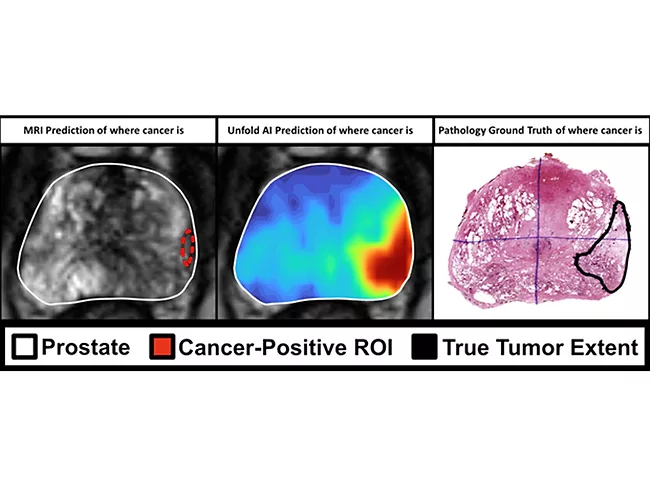
Avenda Health Inc. said the findings of a new study published in The Journal of Urology demonstrate the ability of artificial intelligence to accurately identify cancer in oncology imaging and diagnostics.
Sanofi SA and Seagen Inc. have reported antibody-drug conjugates comprising antibodies targeting carcinoembryonic antigen-related cell adhesion molecule 5 (CEACAM5; CEA; CD66e) covalently linked to topoisomerase I inhibitors through a linker reported to be useful for the treatment of cancer.
Curadev Pharma Ltd. has patented proteolysis targeting chimeras (PROTACs) comprising an E3 ubiquitin ligase coupled to mitogen-activated protein kinase kinase kinase kinase 1 (MAP4K1; HPK1; MEKKK1)-targeting agent via linker acting as HPK1 inhibitors and thus reported to be useful for the treatment of cancer, viral infections and immunological disorders.
Cholangiocarcinoma accounts for about 3% of all gastric tumors. Mutant KRAS is the most prevalent oncogene in cholangiocarcinoma, suggesting a potential role for KRAS inhibitors as a therapeutic approach.
Bivictrix Therapeutics plc’s BVX-001, a first-in-class Bi-Cygni bispecific antibody-drug conjugate (ADC) for the treatment of acute myeloid leukemia (AML), has demonstrated a favorable toxicity profile in an industry standard toxicology model.
Researchers from Taipei Medical University have presented data from a study that assessed the role of KH-type splicing regulatory protein (KHSRP, also called KSRP) in clear cell renal cell carcinoma (ccRCC).
Even though the treatment options that exist for acute myeloid leukemia (AML) are growing, the clinical outcome of patients is still unfavorable. In AML dysregulation of the tyrosine kinase receptors, including RAS, RAF, MEK and ERK, and of the Aurora kinase family (AURK) exists, are both tied to AML development and progression.

 RSS
RSS