Researchers from the University of Science and Technology of China (USTC) reported data from a study that aimed to assess the effects of the highly selective telomerase inhibitor, BIBR-1532, on immune activation induced by radiotherapy (RT).
Odimma Therapeutics SAS has developed ODI-2001, a new biological from the combination of neoantigen-expressing DNA vector, an anti-CTLA-4 antibody and an attenuated poxvirus with the aim of increasing the immune response against tumors.
The ongoing European Association for the Study of the Liver 2024 congress in Milan opened yesterday with several presentations on cell plasticity and its role in liver function and regeneration in chronic liver disease situations.
Trophoblast cell-surface antigen 2 (TROP2) antibody-drug conjugates became a topic of talk during the recent American Society of Clinical Oncology meeting in Chicago.
In an indication with few treatment options for patients who are running out of time, Replimune Group Inc. revealed positive top-line results of its lead candidate, RP-1 (vusolimogene oderparepvec), in anti-PD-1-failed melanoma. Data from the phase I/II Ignyte study of RP-1 plus Opdivo (nivolumab, Bristol Myers Squibb Co.) showed the treatment hit the primary endpoint with a 12-month overall response rate of 33.6% and a median duration of response of more than 35 months.
Arrivent Biopharma Inc. and Jiangsu Alphamab Biopharmaceuticals Co. Ltd. have signed a development deal that leverages Alphamab’s antibody-drug conjugate (ADC) research and discovery platform and could bring Alphamab up to $615.5 million.
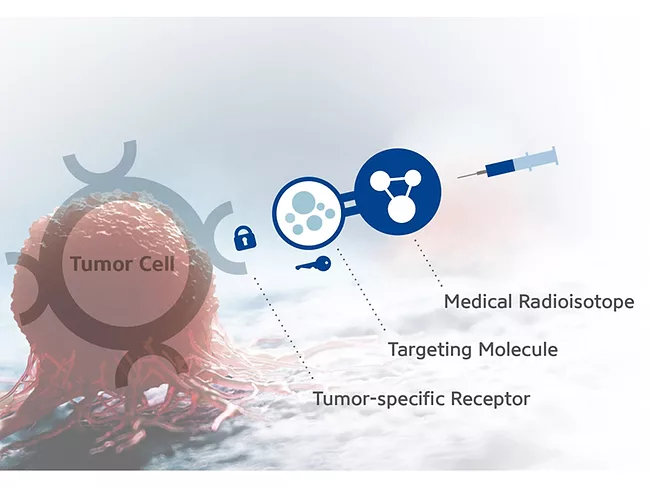
Isotope Technologies Munich SE (ITM) raised €188 million ($204 million) in a funding round that will largely be used to advance and expand the company’s radiopharmaceutical pipeline. The funds, which come a year after ITM raised €255 million, are a sign of growing investor interest in the company’s products and the radiopharma market, Steffen Schuster, CEO of ITM, told BioWorld.
Wigen Biomedicine Technology (Shanghai) Co. Ltd. has described serine/threonine-protein kinase ULK1 inhibitors reported to be useful for the treatment of cancer.
Scientists at Korea Research Institute of Chemical Technology and Oncord Bio Inc. have divulged molecular glue degraders targeting protein cereblon (CRBN) and acting as eukaryotic peptide chain release factor GTP-binding subunit ERF3A (GSPT1) degradation inducers reported to be useful for the treatment of cancer, graft-vs.-host disease, leprosy and inflammatory disorders.
Nikang Therapeutics Inc. has identified proteolysis targeting chimera (PROTAC) compounds comprising an E3 ubiquitin ligase binding moiety covalently linked to a cyclin-dependent kinase 2 (CDK2) targeting moiety through a linker reported to be useful for the treatment of cancer.
 RSS
RSS