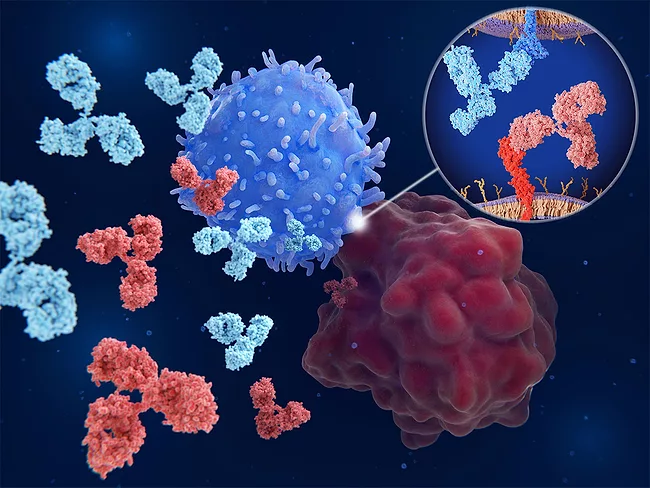
A new approach against non-small-cell lung cancer (NSCLC) has combined immunotherapy with molecularly targeted therapy to activate the immune response and inhibit oncogenic pathways, which prevented tumor progression and eliminated cancer cells. Brigham and Women’s Hospital scientists have developed nanoparticles loaded with antibody conjugates that could deliver large amounts of treatment to the tumor tissue. This new strategy could improve the results of conventional immunotherapy in these patients and reduce toxicity of existing treatments.
The annual Companies to Watch report, which was just released, looks closely at seven companies flying under the radar that are developing antibody-drug conjugates (ADCs) for treating cancer. Companies examined in the new report are Adcendo ApS, Araris Biotech AG, Go Therapeutics Inc., Heidelberg Pharma AG, Pheon Therapeutics Ltd., Tallac Therapeutics Inc. and Tubulis GmbH.
The adverse effects of PD-1 blockers on the CNS observed in cancer patients could occur through their effects on an enzyme that activates microglia. Pharmacological inhibition of the enzyme in mice reduced microglial activation and cognitive deficit without altering the antitumor capacity of the immunotherapy.
During the basic science morning track on the last day of this year’s Annual Congress of the European Hematology Association (EHA), the attention was focused on oncogenic transcription factors and complexes considered turning points within the acute myeloid leukemia (AML) arena.
Shanghai Qilu Pharmaceutical Research and Development Centre Ltd. has identified membrane-associated tyrosine- and threonine-specific Cdc2-inhibitory kinase (PKMYT1) inhibitors reported to be useful for the treatment of cancer.
Scientists at Chungnam National University assessed the role of estrogen-related receptor α (ERRα) in the context of acute myeloid leukemia (AML). First, it was demonstrated that ERRα expression levels were increased in bone marrow of patients with AML as compared to normal control patients, and that patient survival was significantly correlated with ERRα expression.
Day One Biopharmaceuticals Inc. has entered into an exclusive licensing agreement with Mabcare Therapeutics for MTX-13, a novel antibody-drug conjugate (ADC) targeting protein-tyrosine kinase 7 (PTK7). Under the agreement, Day One has exclusive rights to develop, manufacture and commercialize MTX-13 (now DAY-301), worldwide, excluding Greater China.
High weight is associated with a greater risk of developing many cancers, and with an increased risk of metastasis. But in some cancers such as renal cell carcinoma, it is also associated with better survival and a better response to immunotherapies in particular.
Takeda Pharmaceutical Co. Ltd. has signed an option agreement to in-license Ascentage Pharma Group Inc.’s olverembatinib, an oral third-generation BCR-ABL tyrosine kinase inhibitor (TKI). If exercised, the option would allow Takeda to license exclusive global rights to develop and commercialize olverembatinib in all territories outside of mainland China, Hong Kong, Macau, Taiwan and Russia.
 RSS
RSS