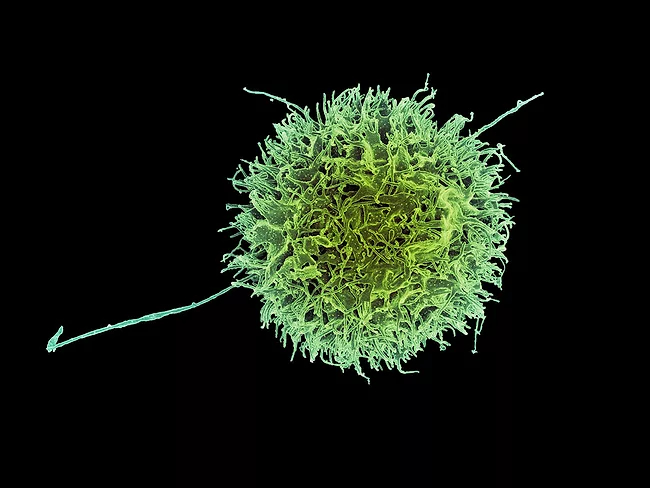
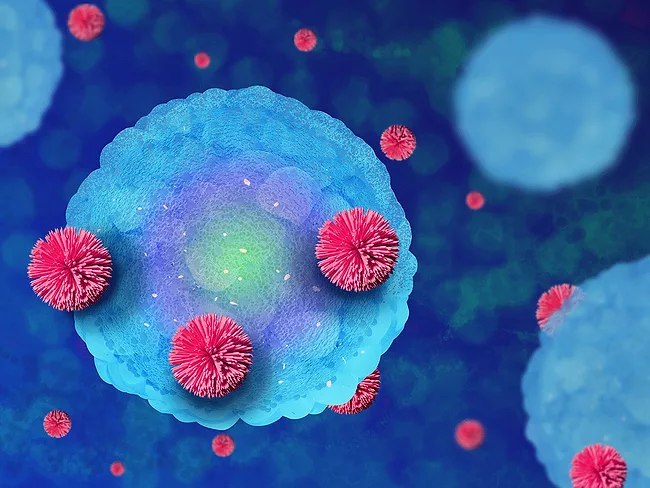
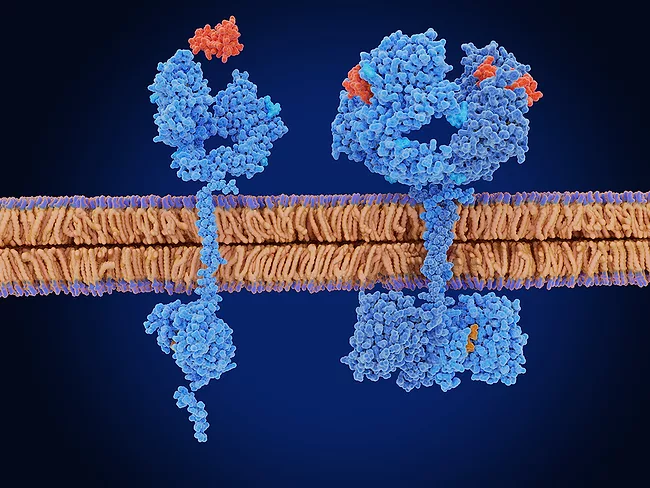
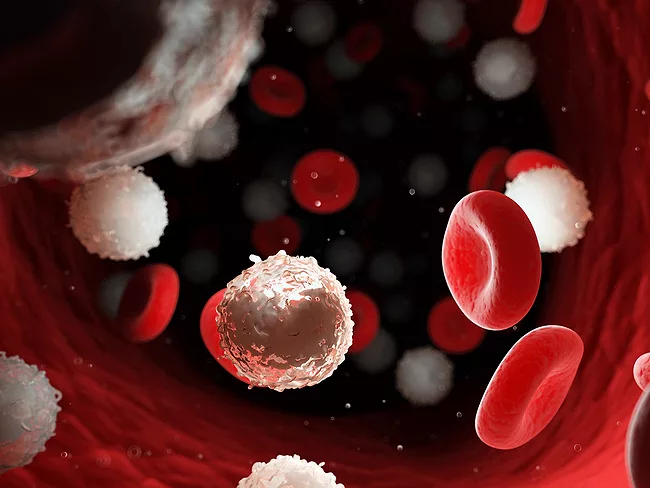
NK cell-based cancer immunotherapy has emerged as an anticancer treatment approach and is currently being tested in clinical trials. KIR2DL5, a member of the human killer cell immunoglobulin-like receptor (KIR) family, has recently been identified as a binding partner for poliovirus receptor (PVR). However, the biology and therapeutic potential of the KIR2DL5/PVR pathway remain widely unexplored.
Previous research has shown that cytotoxic lymphocytes rely on gasdermin-mediated pyroptosis to kill tumor cells. Pyroptosis appears to be closely involved in anticancer immune response and has therefore emerged as a promising strategy for cancer treatment. In a recently published study, scientists at the University of Wisconsin-Madison aimed to leverage gasdermin-triggered pyroptosis for antitumor immunotherapy.
Researchers from Nalo Therapeutics Inc. presented the discovery and preclinical evaluation of a novel orally bioavailable and brain-penetrant epidermal growth factor receptor (EGFR) inhibitor, NX-019, being developed as a potential therapeutic agent to treat EGFR-mutant solid tumors.
Accession Therapeutics Ltd. has raised £16.6 million (US$20.3 million) in a series A round, as it prepares to take two targeted oncolytic/payload combination viruses into the clinic. At the same time, the company disclosed that the scientist who devised the tumor-only targeting mechanism is Alan Parker, professor of translational virotherapies at Cardiff University.
In a massive deal that is one of the year’s biggest, Akeso Inc. signed a collaboration and license deal with Summit Therapeutics Inc. to out-license its bispecific antibody, ivonescimab (AK-112), for development and commercialization in the U.S., Canada, Europe and Japan.
Several studies have indicated that volatile organic compounds (VOCs) in exhaled breath can be altered by lung cancer and serve as identifiable biomarkers. A limitation of using these VOCs as clinical biomarkers has been the fact that hundreds of such molecules are present in exhaled breath and it is experimentally challenging to monitor the molecular concentration changes of all the VOCs and further use them in lung cancer detection.
Nikang Therapeutics Inc. and Shanghai Blueray Biopharma Co. Ltd. have described exocyclic amino quinazoline derivatives acting as GTPase KRAS inhibitors, particularly KRAS (G12D mutant) inhibitors, reported to be useful for the treatment of cancer.
Remedy Plan Therapeutics Inc. has divulged nicotinamide phosphoribosyltransferase (NAmPRTase; Nampt) inhibitors reported to be useful for the treatment of cancer.
Chengdu Baiyu Pharmaceutical Co. Ltd. has synthesized NLRP3 inflammasome inhibitors acting as pyroptosis inhibitors reported to be useful for the treatment of cancer, autoimmune, cardiovascular, endocrine, respiratory, renal, neurological and gastrointestinal disorders, among others.
 RSS
RSS