Tyra Biosciences Inc. has disclosed new indazole compounds acting as fibroblast growth factor receptor (FGFR) inhibitors. They are reported to be useful for the treatment of cancer and developmental disorders.
Although physiological immune responses require increased tissue vasculature, many solid tumors simultaneously activate angiogenesis to meet the increasing demand for oxygen and nutrients while excluding immune cells. The exact molecular mechanisms by which cancer cells control this immune-refractory angiogenic process remain widely unclear.
Fibroblast growth factor receptor 2 (FGFR2) is a transmembrane tyrosine kinase that regulates signaling pathways controlling cell survival and proliferation. Dysregulation of FGFR2, through amplification or activating mutations, contributes to tumor development, making it an attractive target for therapeutic intervention in oncology.
Omeros Corp. has successfully completed its initial study in nonhuman primates evaluating the efficacy and safety of its Oncotox-AML cancer therapeutic platform for acute myeloid leukemia (AML). Oncotox-AML is an engineered biologic designed to selectively kill both AML blasts and relapse-related leukemia stem cells.
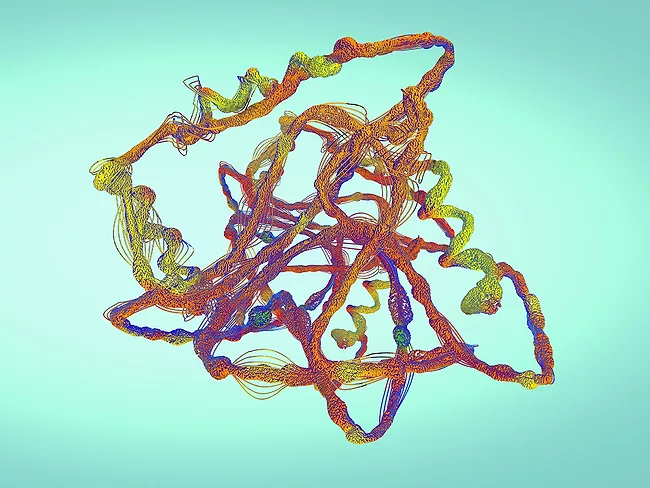
A project that started as a bioreactor to assist astronauts in deep space to keep medications safe in a microgravity environment could help pharma companies model how drugs behave in the human body. Omnigeniq unveiled at the J.P. Morgan Healthcare conference the first computer model of a human protein as it exists in the body, confirming that native protein topology can be calculated directly from physics.
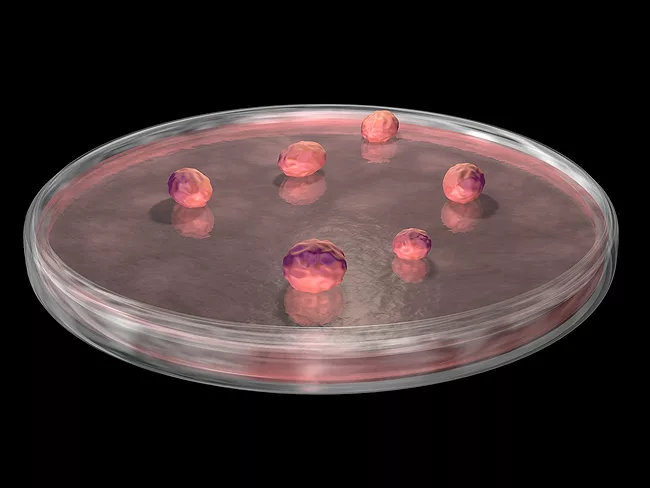
The variety of organoids that can be developed in vitro is enabling major advances. Depending on the type of tissues and the research goals, these small 3D cell-based structures that mimic real tissue offer certain advantages over animal models. Scientists at the University of Padova in Italy have created human neuromuscular organoids to reproduce cancer-induced muscle cachexia, a condition that murine models do not accurately replicate.
Ascentage Pharma Group Corp. Ltd. and Ascentage Pharma (Suzhou) Co. Ltd. have disclosed proteolysis targeting chimera (PROTAC) compounds comprising E3 ubiquitin ligase-binding moiety covalently linked to a Bruton tyrosine kinase (BTK)-targeting moiety. They are reported to be useful for the treatment of cancer.
Merna Therapeutics Inc. has discovered polypeptides targeting sortilin (neurotensin NTR3; NT3; Gp95) receptor. They are reported to be useful for the treatment of cancer.
The Institut National De La Santé et de la Recherche Médicale, Université de Bordeaux and Université de Paris Cité have synthesized N-phenyl-quinoline-4-carboxamide compounds acting as furin (PACE; PCSK3) inhibitors. They are reported to be useful for the treatment of cancer.
Head and neck squamous cell carcinoma (HNSCC) accounts for high number of new diagnoses each year. Current management is based on surgery followed by radiotherapy or chemotherapy, where treatment-induced fibrosis is a common complication associated with therapy. Since fibrosis is mostly driven by dysregulation of the Rho-ROCK signaling axis, researchers from Australia have investigated the potential of modulating ROCK2 with the small-molecule inhibitor RX-10616 for its potential antifibrotic effect combined with radiotherapy in patient-derived murine models of HNSCC.

 RSS
RSS