Simcere Pharmaceutical Co. Ltd. has synthesized proteolysis targeting chimeras (PROTACs) comprising E3 ubiquitin-protein ligands coupled to a signal transducer and activator of transcription 6 (STAT6)-targeting moiety via a linker reported to be useful for the treatment of cancer and inflammatory disorders.
Antibody-drug conjugates (ADCs) carrying topoisomerase I (TOP1) inhibitors, such as trastuzumab deruxtecan (T-DXd), have achieved notable clinical success in HER2-positive and HER2-low cancers, but their broader application is challenged by payload-related safety issues and emerging resistance.
Blocking progesterone receptor (PR) activity has long been viewed as a possible approach to breast cancer prevention. Historically, most supporting evidence came from animal models, epidemiological studies or mechanistic pathway analyses. Now, a team at the University of Manchester has uncovered direct mechanistic and clinical evidence that PR antagonists can reprogram the breast tissue microenvironment, suggesting a novel avenue for reducing breast cancer risk in women.
Enara Bio Ltd. is staking a claim to having validated the first in a new class of tumor antigens derived from unannotated regions of the dark genome, describing its findings in talks and posters being presented at the Society of Immunotherapy in Cancer (SITC) meeting in National Harbor, Md., Nov. 5-9, 2025.
On Nov. 5, the Chinese Ministry of Commerce reported it would lift the export ban on Illumina Inc., which had been in place since March 4. While the ban will be lifted starting Nov. 10, Illumina remains on the unreliable entities list, requiring government approval for instrument purchases.
Industry watchers were surprised when Eli Lilly and Co.’s oral GLP-1 candidate, orforglipron, did not appear among the first nine recipients of the U.S. FDA’s commissioner’s national priority voucher (CNPV) program aimed at shortening regulatory review times, boosting domestic manufacturing and improving affordability. But orforglipron, which recently nailed endpoints in a second phase III trial and has been hailed a potentially best-in-class compound, was among the second batch of six drugs added to the CNPV list.
San Francisco Bay Area researchers from UC Berkeley, UC San Francisco and Stanford University have combined their technologies to create Azalea Therapeutics Inc., a company focused on editing cells in vivo.
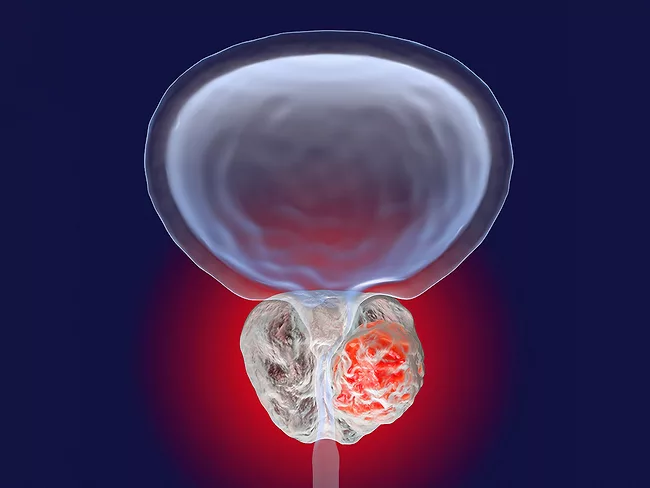
Aussie radiopharma company Advancell Co. Ltd. unveiled promising early clinical data that could redefine how advanced prostate cancer is treated by targeted alpha therapies in the radiopharmaceutical space.

 RSS
RSS