South Africa’s Competition Commission sent a warning this week to the biopharma industry when it announced that it is prosecuting Roche Holding AG for what it called excessive pricing of the company’s breast cancer drug, Herceptin, which is also marketed as Herclon in South Africa.
Cstone Pharmaceuticals Co. Ltd.’s orally administered Tibsovo (ivosidenib tablets) received the green light from China’s NMPA for use in adult patients with relapsed/refractory acute myeloid leukemia (r/r AML) with a susceptible isocitrate dehydrogenase 1 (IDH1) mutation. It is the first IDH1 inhibitor to reach market in China.
Although diversity was front and center, it wasn’t the only reason the U.S. FDA’s Oncologic Drugs Advisory Committee voted 14-1 that additional clinical trials demonstrating applicability to the U.S. non-small-cell lung cancer population are needed before sintilimab, a PD-1 inhibitor partnered in the U.S. by Innovent Biologics Co. Ltd. and Eli Lilly and Co., is ready for approval.
A Japanese study has shown that targeting the chemokine receptor CCR4 using treatment with the monoclonal antibody mogamulizumab (Poteligeo, Kyowa, Amgen) depleted immune regulatory T cells and significantly improved survival in a canine model of advanced prostate cancer.
U.S. Health and Human Services Secretary Xavier Becerra is getting more pressure to take the unprecedented step of marching in on the patent rights protecting Astellas Pharma Inc.’s prostate cancer drug, Xtandi (enzalutamide), because of its U.S. price. Referencing the provision under the Bayh-Dole Act that allows federal agencies to march in on licensed patents stemming from federally funded research when the products are not available to the public on “reasonable terms,” a dozen Democratic congressional members wrote to Becerra Feb. 8 urging him to move forward on the Xtandi patents.
The Feb. 10 meeting of the U.S. FDA’s Oncologic Drugs Advisory Committee (ODAC) is about far more than one biologic license application (BLA), as the single question the agency will put to the committee is whether data from a trial in one foreign country are sufficient to support approval in the U.S.
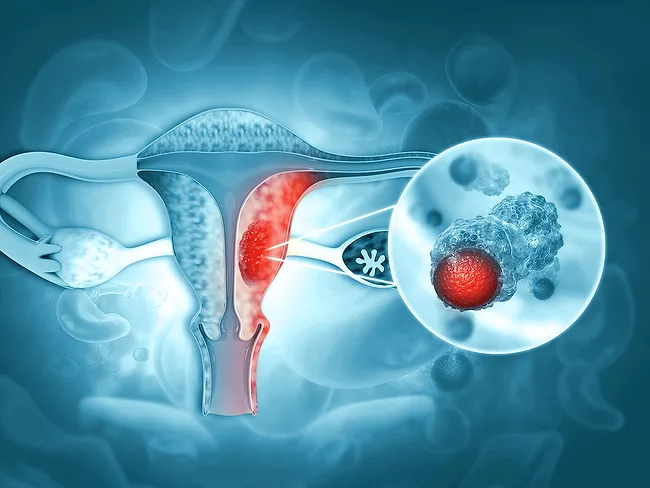
Wall Street nicked shares of Karyopharm Therapeutics Inc. after the firm offered top-line results from the 263-subject phase III study with Xpovio (selinexor) in advanced or recurrent endometrial cancer (EC). Shares (NASDAQ:KPTI) closed at $8.19, down $2.05, or 20%, having dropped as low as $7.66.

 RSS
RSS