Entos Pharmaceuticals Inc. has been awarded a $4 million grant by California Institute for Regenerative Medicine (CIRM) to support the completion of IND-enabling activities with ENTLEP-001, a durable genetic medicine for the treatment of congenital generalized lipodystrophy.
Cour Pharmaceuticals Development Co. Inc. has obtained IND clearance from the FDA for CNP-103, a nanoparticle in development to address the underlying autoimmunity of type 1 diabetes. A first-in-human phase Ib/IIa trial will begin later this year and will enroll adults (aged 18-35 years) and pediatric patients (aged 12-17) who have stage III or newly diagnosed (within the last 6 months) type 1 diabetes as well as C-peptide >0.2 ng/mL.
Jiangsu Hansoh Pharmaceutical Group Co. Ltd. and Shanghai Hansoh Biomedical Co. Ltd. have divulged proprotein convertase subtilisin/kexin-type 9 (PCSK9) inhibitors acting as LDL-lowering agents reported to be useful for the treatment of stroke, hepatic steatosis, dyslipidemia, coronary artery disease, metabolic syndrome and atherosclerosis.
A week after the first IPO of the year was priced, obesity treatment developer Metsera Inc. and renal specialist Maze Therapeutics Inc. have begun trading on Nasdaq. Metsera (NASDAQ:MTSR) surged 47% on Jan. 31 to close at $26.50 per share while Maze (NASDAQ:MAZE) barely budged, closing three-tenths of a percentage point lower on the day.
Now that Novo Nordisk A/S’ blockbuster semaglutide franchise has been selected as one drug for the next round of the CMS price negotiation, the Bagsværd, Denmark-based company is asking a U.S. appellate court to expedite its consideration of Novo’s challenge to the negotiations and the way CMS is implementing the program.
Er Stress Research Institute Inc. has disclosed benzothiazoimidazolyl compounds acting as endoplasmic reticulum (ER) stress inhibitors reported to be useful for the treatment of cancer, diabetes, neurodegenerative, autoimmune and metabolic diseases as well as renal, cardiovascular and renal disorders.
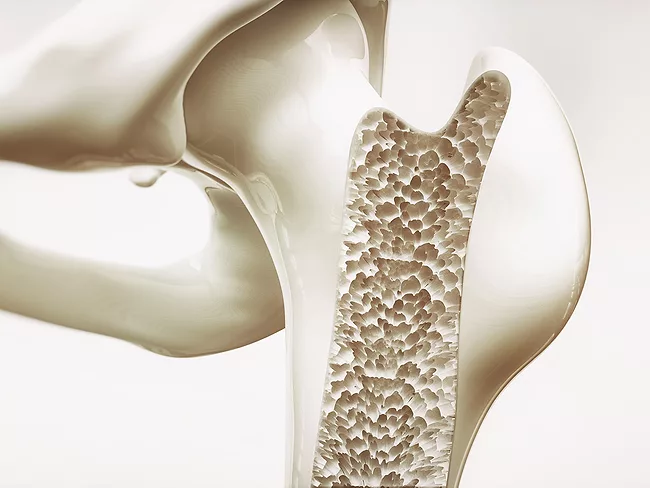
Glucocorticoid-induced osteoporosis, the leading cause of secondary osteoporosis, is characterized by diminished bone density and compromised osteoblast function. As current treatment options often have significant side effects, researchers are actively seeking new drug candidates to improve patient outcomes.
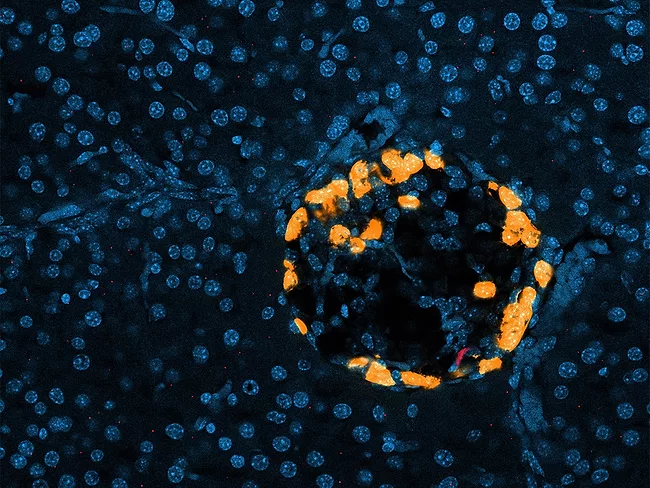
The liver and pancreas are the main actors in glucose metabolism, but not the only ones. Muscles, adipose tissue and the brain play different roles. However, the prize for the best new actor in glucagon production goes to the innate lymphoid cells (ILCs), which, according to a study published in Science, respond to intestine neuron signals traveling to the pancreas to control glucose.
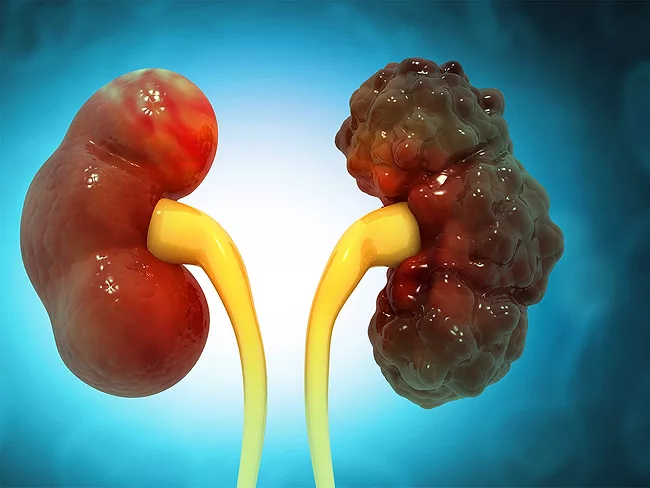
In an indication that has proved difficult for biopharma to conquer, Regulus Therapeutics Inc. disclosed further positive data from its ongoing phase Ib study testing RGLS-8429 in autosomal dominant polycystic kidney disease and laid out its plans to move straight into a phase III trial later this year, with the potential for an accelerated U.S. approval.
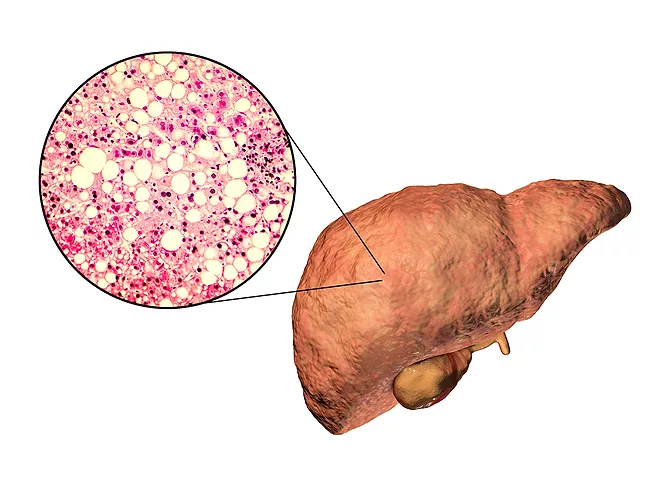
Hypoxia-inducible factors (HIFs) are crucial to maintain oxygen homeostasis by regulating cellular metabolic adaptation under hypoxia conditions. Depletion of factor inhibiting HIF (FIH), an enzyme that negatively regulates the activity of the HIF-1α isoform, has been associated with reductions in hepatic steatosis and body mass in mice.
 RSS
RSS