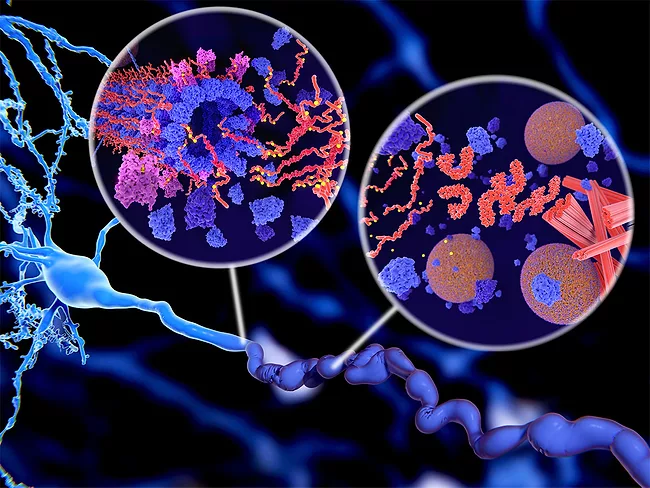
IGC Pharma Inc. has reported preclinical research demonstrating the therapeutic potential of IGC-1C, a cyclic dipeptide-based small-molecule modulator, in neurodegenerative disease due to its modulation of tau protein, which is involved in the formation of neurofibrillary tangles, a key hallmark of Alzheimer’s disease.
The long struggle by Boston-based I2o Therapeutics Inc.’s business unit Intarcia Therapeutics to get long-lasting exenatide for diabetes onto the market ended with a final thumbs-down from the U.S. FDA because of safety concerns. At issue was ITCA-650, a twice-yearly implantable exenatide-device combo meant to improve glycemic control in adults with type 2 diabetes.
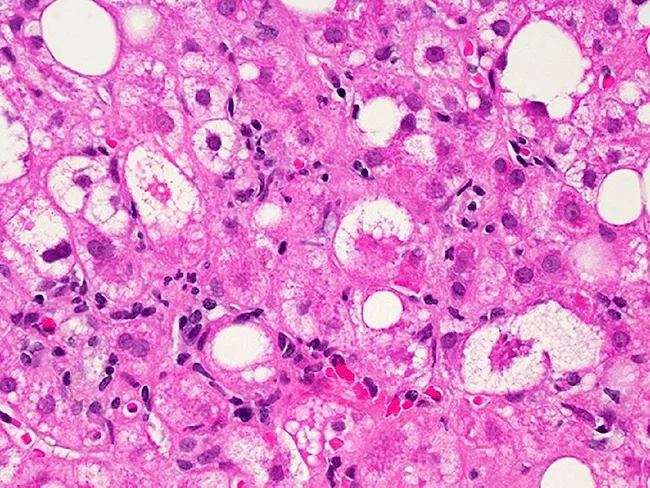
Metabolic dysfunction-associated steatotic liver disease (MASLD) is the most common chronic liver disease, but has limited treatment options. Bile acids, gut microbiota, nuclear receptors, lipid metabolism and fatty acid metabolism are believed to play a role in MASLD treatment and prevention.
IGC Pharma Inc. has used its artificial intelligence (AI) modeling to identify the company’s proprietary molecule, IGC-1A, as a potential GLP-1 agonist. The company’s AI model compared IGC-1A and IGC-1C to established drugs such as Ozempic (semaglutide), tirzepatide, retatrutide and metformin, among others, and indicated that they could become effective options for metabolic disorders.
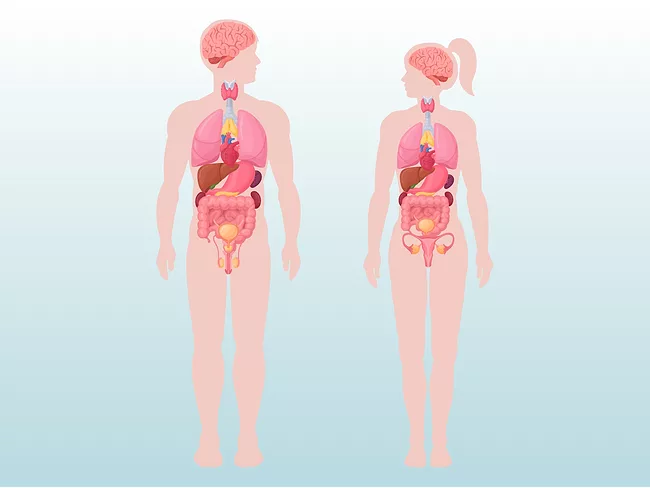
The risk of developing multiple sclerosis (MS) is nearly four times as high for women as it is for men. And that relative risk has increased sharply over time. In 1955, women were only slightly more likely than men to develop MS. A research team at the University of Toronto and the Oklahoma Medical Research Foundation (OMRF) has gained new insights into possible causes for this increasing disparity.
A long-term look at obese and overweight patients with pre-diabetes found that weekly injections of Eli Lilly and Co.’s tirzepatide led to a 94% reduction in their risk of progression to type 2 diabetes compared to placebo – a result that Leerink Partners analyst David Risinger called “exceptional.”
Thyroid hormones are involved in growth, development and metabolism processes. The thyroid hormone receptor β (THRβ) isoform, mainly expressed in the liver, is responsible for the reduction of cholesterol levels and thus is considered a therapeutic target for the treatment of dyslipidemia, obesity and related disorders.
Boehringer Ingelheim Pharma GmbH & Co KG has identified drug conjugates acting as neuromedin U receptor 2 (NMU2) agonists reported to be useful for the treatment of obesity.
Recent findings suggest gut microbiota dysbiosis may be behind the inflammation in diabetic nephropathy (DN), the leading cause of end-stage renal disease (ESRD).
Label comparisons began promptly with the accelerated U.S. FDA clearance of Gilead Sciences Inc.’s oral peroxisome proliferator-activated receptor (PPAR)-delta drug, Livdelzi (seladelpar), for primary biliary cholangitis (PBC). The space includes Ipsen Pharma SA’s dual PPAR alpha/delta agonist, Iqirvo (elafibranor), licensed from Genfit SA and cleared in June 2024, as well as Ocaliva (obeticholic acid), the first-in-class farnesoid X receptor agonist from Intercept Pharmaceuticals Inc., greenlighted for PBC in May 2016.
 RSS
RSS