Almost three months to the day after Protara Therapeutics Inc. made known positive interim data from the phase II trial testing cell-based therapy TARA-002 in pediatric patients with macrocystic and mixed cystic lymphatic malformations (LMs), Palvella Therapeutics Inc. scored positive top-line results from the phase III Selva study evaluating Qtorin 3.9% rapamycin anhydrous gel for microcystic LMs.
Targeting an ultrarare disease affecting about 250 U.S. residents, Immedica Pharma AB’s Loargys (pegzilarginase) won accelerated FDA approval to treat hyperargininemia in those ages 2 and older with arginase 1 deficiency (ARG1-D).
Ascletis Pharma Inc. raised HK$843.53 million (US107.93 million) in a placement on the Hong Kong Stock Exchange to advance its lead program, ASC-30, a small-molecule glucagon-like peptide-1 (GLP-1) receptor agonist that can be dosed once monthly subcutaneously and once daily orally for treating obesity.
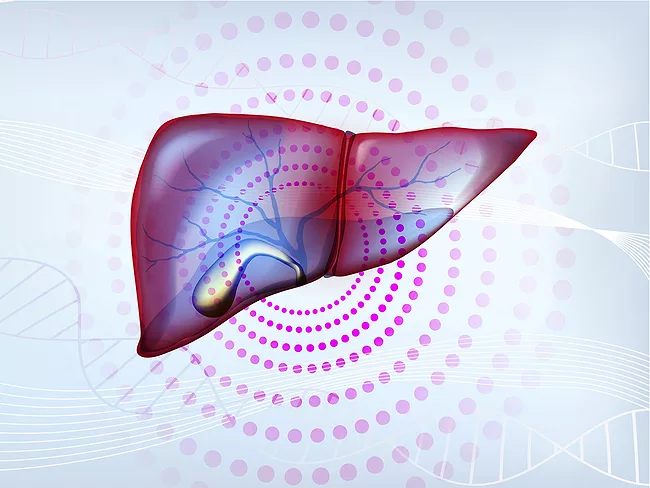
Continuing to build on the successful launch of Rezdiffra (resmetirom), Madrigal Pharmaceuticals Inc. is adding six preclinical-stage siRNA therapies to its metabolic dysfunction-associated steatohepatitis (MASH) pipeline in a deal with Ribo Life Science Co. Ltd. and its subsidiary, Ribocure Pharmaceuticals AB, that could be worth $4.4 billion if all milestones are achieved.
Insilico Medicine Inc. has identified new glucagon-like peptide 1 receptor (GLP-1R) agonists potentially useful for the treatment of atherosclerosis, coronary heart diseases, dementia, diabetes, hypertension, obesity, hyperlipidemia and cerebral infarction.
Tessera Therapeutics Inc.’s lead in vivo gene editing program, TSRA-196, has been awarded orphan drug and fast track designations by the FDA for adults with α-1 antitrypsin deficiency (AATD).
Shares in Novo Nordisk A/S took another battering after the company announced its next-generation obesity drug Cagrisema failed to show noninferiority to Eli Lilly and Co. Inc.’s Zepbound in an open-label comparator study.
Researchers from Imperial College London and collaborators further investigated C/EBPβ as a target for MASLD and evaluated the efficacy of a C/EBPβ-targeted siRNA approach to reverse metabolic dysfunction and restore liver function in high-fat-diet-induced steatosis, which can be precursor to MASH and hepatocellular carcinoma.
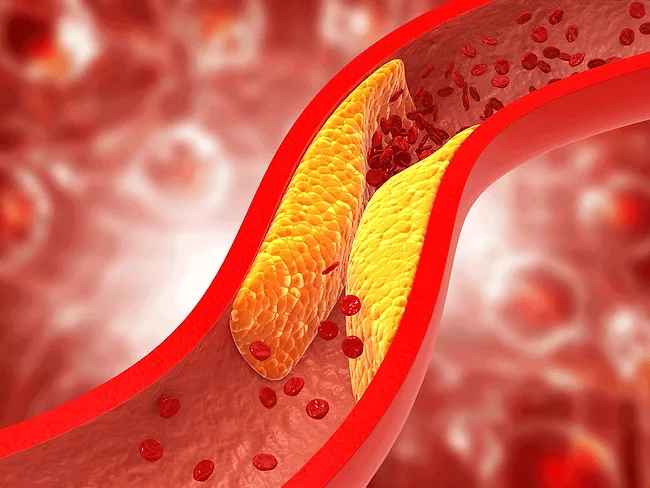
In previous work, researchers from CEINGE (Naples, Italy) and collaborating institutions developed an alternative gene therapy strategy based on the expression of a secreted fusion protein, including the extracellular portion of the human LDLR for LDL binding, linked to rabbit transferrin (TF), targeting the transferrin receptor (TFr), resulting in internalization and uptake of LDL particles. They have now published more recent work to further improve the efficacy and safety of this strategy.
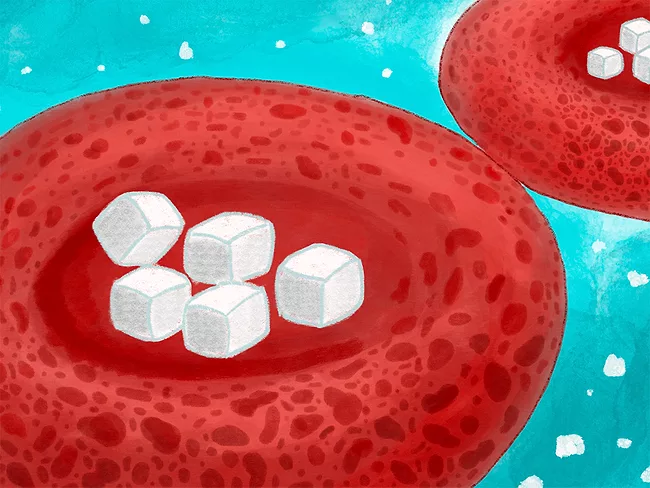
On the average, humans – and pigs, and deer, and birds – who live at high altitudes have better blood glucose control than their counterparts near sea level. In work published in the Feb. 19, 2026, issue of Cell Metabolism, investigators have linked this phenomenon to red blood cells that directly take up and metabolize glucose from the blood under low oxygen conditions.
 RSS
RSS