Gut bacteria used liquid-liquid phase separation (LLPS) to organize themselves into condensates, which allowed them to adapt to nutrient deprivation, enabling them to colonize the gut. In experiments reported in the March 17, 2023, issue of Science, investigators showed that a mutant of the beneficial gut bacterium Bacteroides thetaiotaomicron was “highly defective in competitiveness, in its ability to colonize the mammalian gut,” senior author Eduardo Groisman told BioWorld. “Our paper provides the first example in which [LLPS] matters in bacterial host interactions.”
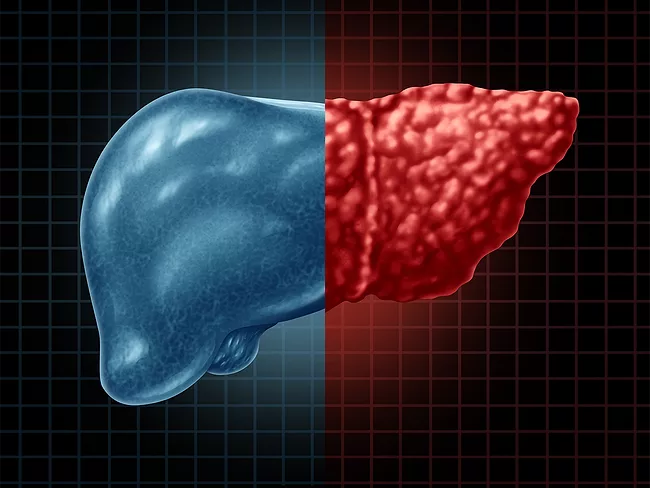
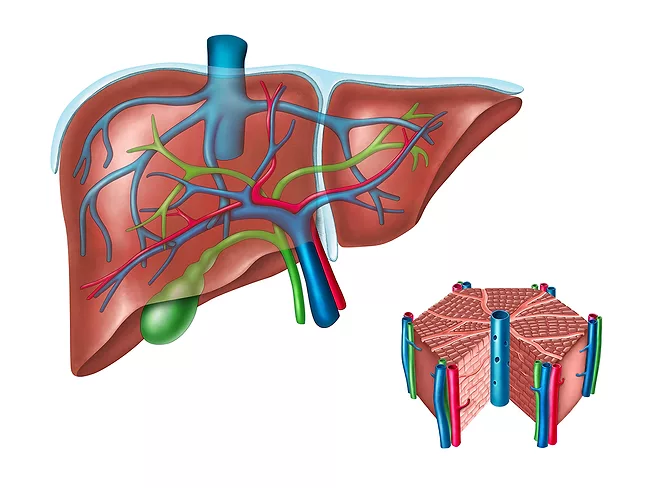
Researchers from the First Affiliated Hospital of Guangxi Medical University presented data from a study that aimed to assess the association between translocase of the inner mitochondrial membrane 13 (Timm13) and liver fibrosis.
Researchers from the University of Illinois Urbana-Champaign have published data from a study designed to assess the role of serine-arginine-rich splicing factor 1 (SRSF1) in hepatocyte function and survival.
Since episodes of idiopathic anaphylaxis (IA) are often accompanied by gastrointestinal (GI) manifestations, researchers from the National Institutes of Health aimed to investigate whether surrogate markers of GI permeability are aberrant in patients with IA.
Primary sclerosing cholangitis (PSC) is a rare chronic and progressive autoimmune bile duct disease that is strongly associated with several immune-mediated disorders, the shared etiology and underlying characteristics of which is not completely understood. Researchers from Baylor College of Medicine investigated the shared genetic architecture of PSC with a variety of clinical and epidemiological traits and aimed to identify new lead PSC risk-associated loci.
Metabolic-associated fatty liver disease (MAFLD) has emerged as a leading cause of progressive liver disease, even leading to a risk of hepatocellular carcinoma (HCC). Animal models that mimic the key etiological and histological features of the liver in the context of metabolic dysfunction represent the basis of preclinical research in MAFLD. The aim of work from researchers at Guangdong Pharmaceutical University was to develop a diet-induced murine model of MAFLD progressing to fibrosis and HCC.
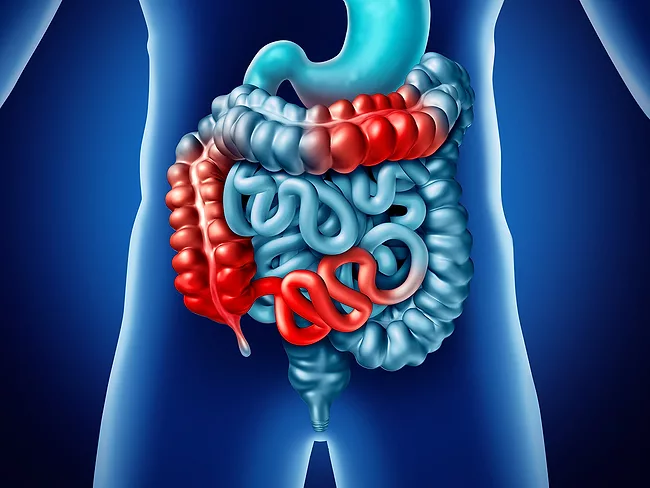
The pathogenesis of eosinophilic gastroenteritis (EGE), a chronic inflammatory disease characterized by eosinophil infiltration in the gastrointestinal tract, is still not well understood.
 RSS
RSS