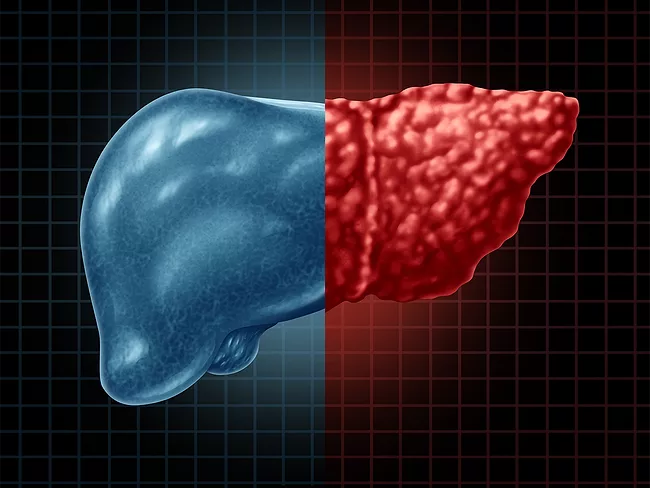
Deregulation of enzymes that control lipid turnover such as adipose triglyceride lipase (ATGL) is an essential contributor to nonalcoholic fatty liver disease. Recent studies suggest that a fraction of the cytosolic pool of ATGL is proteasomal degraded by E3 ligase constitutive photomorphogenesis protein 1 (COP1).
Primary biliary cholangitis (PBC) is the most common autoimmune liver disease; several genome-wide association studies have suggested chromosome locus 19p13.3 is associated with PBC pathology. Chinese researchers conducted a case-control study to unveil genetic variants in the 19p13.3 locus associated with PBC. The meta-analysis included 1,931 individuals with PBC and 7,852 controls.
Eli Lilly and Co. has described aryl hydrocarbon receptor (AhR) agonists reported to be useful for the treatment of psoriasis, ulcerative colitis, Crohn’s disease, graft-vs.-host disease and multiple sclerosis.
Metabolic-associated fatty liver disease (MAFLD) is a condition that encompasses a range of liver disorders, from steatosis to fibrosis. In a recent study, researchers investigated the role of phosphoenolpyruvate carboxykinase 1 (PCK1) in MAFLD progression in vivo. This work found that deficiency of the gluconeogenic enzyme PCK1 promoted the development of MAFLD through activation of the PI3K/AKT/PDGF axis.
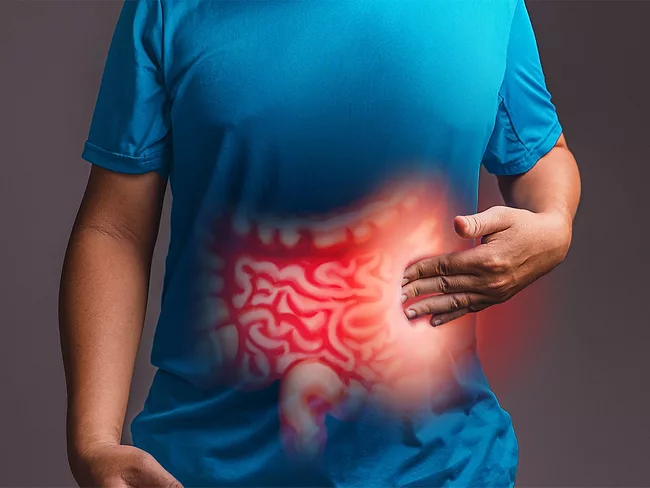
A rare cell type in the gut, the enterochromaffin (EC) cell, drove both gut discomfort and anxiety symptoms in animal models of gastrointestinal pain. Furthermore, the cells reacted differently in male and female mice, opening up new ways to understand and investigate the higher prevalence of gut disorders in women.
Gut bacteria used liquid-liquid phase separation (LLPS) to organize themselves into condensates, which allowed them to adapt to nutrient deprivation, enabling them to colonize the gut. In experiments reported in the March 17, 2023, issue of Science, investigators showed that a mutant of the beneficial gut bacterium Bacteroides thetaiotaomicron was “highly defective in competitiveness, in its ability to colonize the mammalian gut,” senior author Eduardo Groisman told BioWorld. “Our paper provides the first example in which [LLPS] matters in bacterial host interactions.”
Researchers from the First Affiliated Hospital of Guangxi Medical University presented data from a study that aimed to assess the association between translocase of the inner mitochondrial membrane 13 (Timm13) and liver fibrosis.
 RSS
RSS