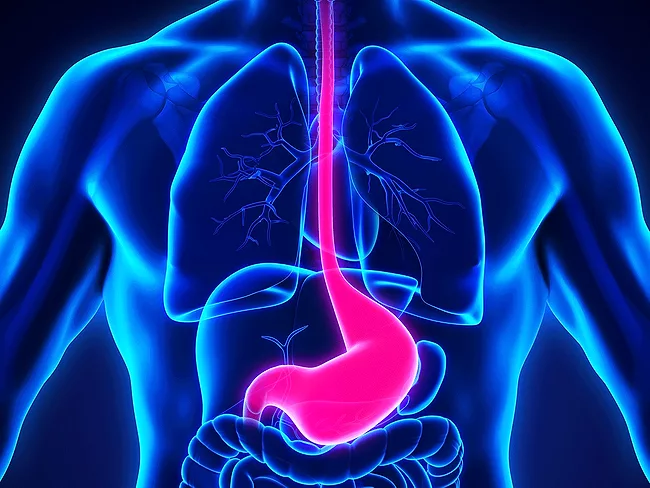
Recently published phase II data with Takeda Pharmaceutical Co. Ltd.’s TAK-906 (trazpiroben), a dopamine D2/D3 receptor antagonist, fueled hope for patients as Processa Pharmaceuticals Inc. proceeds with a different – and more focused – approach against gastroparesis.
A potential new treatment for the rare condition Wilson disease moved a step closer to reality after Alexion Pharmaceuticals Inc., now part of Astrazeneca plc, announced positive top-line results from a phase III trial of ALXN-1840 (tiomolibdate choline). Astrazeneca’s shares (NASDAQ:AZN) ticked up following the announcement, closing Aug. 26 at $58.76, up 18 cents. From the point of view of the big U.K. pharma, it’s a good piece of news as it hopes to build a rare disease franchise from its $39 billion acquisition of Alexion, which was completed last month.
Eclipse Regenesis Inc. received a National Institutes of Health fast track grant of $1.7 million to advance development of the Eclipse Xl1 system for short bowel syndrome. The spring-like Eclipse device harnesses mechanotransduction to stimulate growth of new, functional intestinal tissue. Short bowel syndrome is a devastating and rare condition that leads sufferers with too little small intestine to extract sufficient nutrients to sustain life. The grant for Menlo Park, Calif.-based Eclipse came through NIH’s small business innovation program.
Building on a March deal leveraging lipid nanoparticle (LNP) technology from Genevant Sciences Corp. to fight liver fibrosis, Takeda Pharmaceutical Co. Ltd. has signed a second agreement with the company for the development and commercialization of therapies for up to two rare liver diseases. The deal includes up to $303 million in up-front and potential milestone payments for Genevant, plus royalties on possible product sales, adding to the first deal's similarly structured $600 million package.
Theravance Biopharma Inc.’s phase IIb fizzle with izencitinib in ulcerative colitis (UC) put a dent in shares, as Wall Street mulled the ongoing phase II study in Crohn’s disease (CD) as well as prospects regarding the deal with Johnson & Johnson.
Building on a March deal leveraging lipid nanoparticle (LNP) technology from Genevant Sciences Corp. to fight liver fibrosis, Takeda Pharmaceutical Co. Ltd. has signed a second agreement with the company for the development and commercialization of therapies for up to two rare liver diseases. The deal includes up to $303 million in up-front and potential milestone payments for Genevant, plus royalties on possible product sales, adding to the first deal's similarly structured $600 million package.
 RSS
RSS