BioWorld. Link to homepage.

Clarivate
  • BioWorld
  • BioWorld Science
  • BioWorld Asia
  • Data Snapshots
    • Biopharma
    • Medical technology
    • Infographics: Dynamic digital data analysis
    • Index insights
    • NME Digest
  • Special reports
    • Infographics: Dynamic digital data analysis
    • Ebola outbreak
    • Hantavirus
    • Trump administration impacts
    • Med-tech outlook 2026
    • Under threat: mRNA vaccine research
    • BioWorld at 35
    • Biopharma M&A scorecard
    • Bioworld 2025 review
    • BioWorld MedTech 2025 review
    • BioWorld Science 2025 review
    • Women's health
    • China's GLP-1 landscape
    • PFA re-energizes afib market
    • China CAR T
    • Alzheimer's disease
    • Coronavirus
    • More reports can be found here

BioWorld. Link to homepage.

  • Sign In
  • Sign Out
  • My Account
Subscribe
BioWorld - Friday, June 19, 2026
Home » Topics » Disease categories and therapies » Gastrointestinal

Gastrointestinal
Gastrointestinal RSS Feed RSS

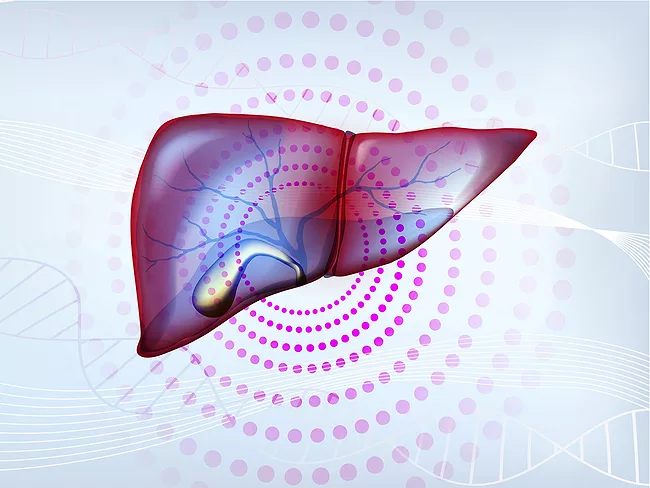
Liver illustration
Gastrointestinal

ABHD17B identified as a target in liver fibrosis

March 31, 2025
Scientists at Massachusetts General Hospital have revealed how chronic liver injury alters hepatic stellate cells (HSCs), triggering the formation of fibrotic scarring in the liver. The researchers have shown that this cell type transdifferentiates into myofibroblasts, which generate excess extracellular matrix, driven by the activation of ABHD17B, an enzyme that could be investigated as a therapeutic target to inhibit liver fibrosis.
Read More
Gastrointestinal

FAP inhibitor AZD-2389 is a strong candidate for MASH treatment

March 31, 2025
Fibroblast activation protein (FAP) is a serine protease, the expression of which increases with pathogenic fibroblasts in the fibrotic liver during metabolic dysfunction-associated steatohepatitis (MASH) and might induce fibrosis by cleaving several proteins that regulate extracellular matrix turnover and metabolism, including α2-antiplasmin (α2-AP) and fibroblast growth factor 21 (FGF21). Astrazeneca plc recently presented new results on their research regarding their oral small-molecule FAP inhibitor, AZD-2389, as a candidate drug for treating MASH.
Read More
Abstract illustration of pig and human with medical motifs
Drug design, drug delivery & technologies

Ten days of normal survival of a pig liver in a human being

March 28, 2025
By Mar de Miguel
Transplanting an animal organ into a human is now a closer reality following the successful xenotransplantation of a genetically modified pig liver into a patient diagnosed with brain death in China. The operation was intended to evaluate organ function over a 10-day period. This is a complex experimental trial that did not involve removing the patient's liver and still requires further study. However, the positive preclinical results suggest this strategy could save the lives of those waiting for a human organ, at least in certain cases.
Read More
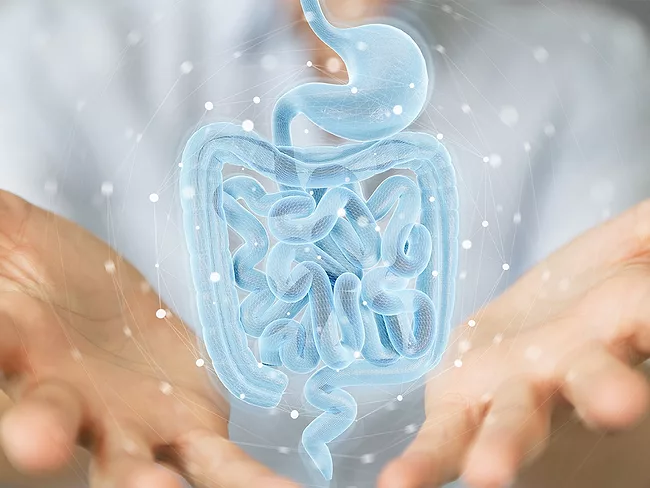
Illustration of gastrointestinal organs floating about hands
Cancer

Unlocking early genetic drivers of stomach cancer

March 28, 2025
By Coia Dulsat
Research published online in Nature on March 19, 2025, closely examines the changes occurring in the gastric epithelium during the progression toward cancer development. Certain mutations that occur in normal, nonreproductive cells over time can make these cells more prone to becoming cancerous later. The project began as a collaboration between the labs of Mike Stratton at the Sanger Institute and Suet Yi Leung from the University of Hong Kong, funded by the Wellcome Trust and the Kadoorie Charitable Foundation.
Read More
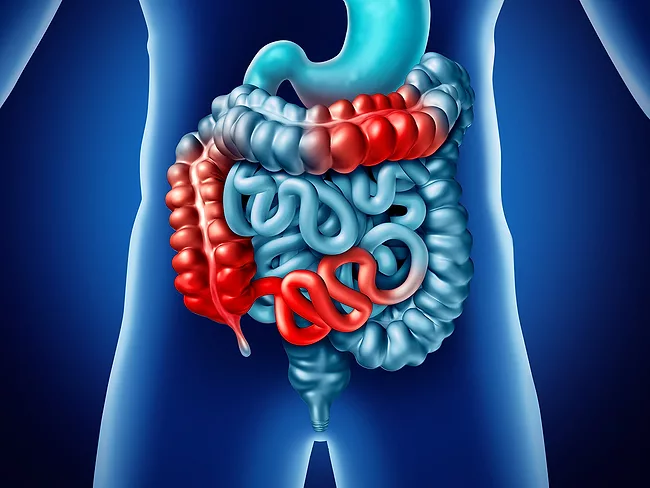
Illustration of intestines with inflammation
Gastrointestinal

ICB treatment induces colitis-related indicators in DSS drinking mouse model

March 27, 2025
Researchers from Chinese Academy of Sciences detailed the creation of a new dextran sulfate sodium (DSS)-based mouse model of immune checkpoint blockade (ICB) therapy-associated colitis.
Read More
Abstract illustration of pig and human with medical motifs
Drug design, drug delivery & technologies

Ten days of normal survival of a pig liver in a human being

March 26, 2025
By Mar de Miguel
Transplanting an animal organ into a human is now a closer reality following the successful xenotransplantation of a genetically modified pig liver into a patient diagnosed with brain death in China. The operation was intended to evaluate organ function over a 10-day period. This is a complex experimental trial that did not involve removing the patient's liver and still requires further study. However, the positive preclinical results suggest this strategy could save the lives of those waiting for a human organ, at least in certain cases.
Read More

Toilets could be the next big health device: Medical Korea 2025

March 20, 2025
By Marian (YoonJee) Chu
Seung-min Park, professor at Nanyang Technological University and cofounder of Kanaria Health, is working to manufacture smart bidets that can capture biomarker data from urine and stool automatically and enable continuous monitoring.
Read More
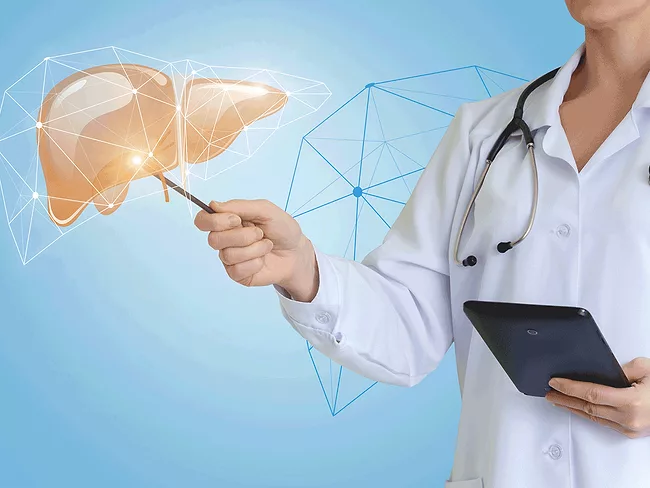
Doctor pointing at liver

Hepatic stellate cells shape and control liver function

March 20, 2025
By Coia Dulsat
Researchers at the German Cancer Research Center Deutsches Krebsforschungszentrum (DKFZ) and their collaborators have cast new light on the mechanisms by which hepatic stellate cells control liver metabolism and regeneration. The work builds on the concept of angiocrine signaling, established 15 years ago.
Read More
Test tubes, dropper
Inflammatory

Domain Therapeutics nominates biased antagonist of PAR2 as drug candidate for inflammatory diseases

March 20, 2025
Domain Therapeutics SA has nominated PAR2 antagonist DT-9046 as a drug candidate with potential to treat various inflammatory diseases, including atopic dermatitis, inflammatory bowel disease and arthritis, as well as neuroinflammatory conditions such as migraine.
Read More
Doctor pointing at liver
Gastrointestinal

Hepatic stellate cells shape and control liver function

March 19, 2025
By Coia Dulsat
Researchers at the German Cancer Research Center Deutsches Krebsforschungszentrum (DKFZ) and their collaborators have cast new light on the mechanisms by which hepatic stellate cells control liver metabolism and regeneration. The work builds on the concept of angiocrine signaling, established 15 years ago.
Read More
Previous 1 2 … 20 21 22 23 24 25 26 27 28 … 722 723 Next

Popular Stories

  • Today's news in brief

    BioWorld
    BioWorld briefs for June 18, 2026.
  • News in brief

    BioWorld Asia
    BioWorld Asia briefs for June 16, 2026
  • Brain with puzzle piece removed

    Gene replacement rescues autism-related phenotypes in mice

    BioWorld Science
    Autism spectrum disorder (ASD), developmental epileptic encephalopathies and other neurodevelopmental disorders are driven by the disruption of genes regulating...
  • Red blood cells, DNA

    For clonal hematopoiesis, epigenetics can be in driver’s seat

    BioWorld Science
    Clonal hematopoiesis (CH), where few blood stem cells produce a significant fraction of mature blood cells that are genetically identical, is partly an inevitable...
  • Illustration of amyloid plaques in Alzheimer's disease

    Elixiron’s enrupatinib shows upbeat interim phase II AD results

    BioWorld
    Elixiron Immunotherapeutics Inc. announced positive interim open-label phase II Alzheimer’s disease (AD) study findings of enrupatinib, an oral brain-penetrant...
  • BioWorld
    • Today's news
    • Analysis and data insight
    • Clinical
    • Data Snapshots
    • Deals and M&A
    • Financings
    • Medical technology
    • Newco news
    • Opinion
    • Regulatory
  • BioWorld Science
    • Today's news
    • Biomarkers
    • Cancer
    • Conferences
    • Endocrine/metabolic
    • Immune
    • Infection
    • Neurology/psychiatric
    • NME Digest
    • Patents
  • BioWorld Asia
    • Today's news
    • Analysis and data insight
    • Australia
    • China
    • Clinical
    • Deals and M&A
    • Financings
    • Newco news
    • Regulatory
    • Science
  • More
    • About
    • Advertise with BioWorld
    • Archives
    • Article reprints and permissions
    • Contact us
    • Cookie policy
    • Copyright notice
    • Data methodology
    • Infographics: Dynamic digital data analysis
    • Index insights
    • Podcasts
    • Privacy policy
    • Share your news with BioWorld
    • Staff
    • Terms of use
    • Topic alerts
Follow Us

Copyright ©2026. All Rights Reserved. Design, CMS, Hosting & Web Development :: ePublishing