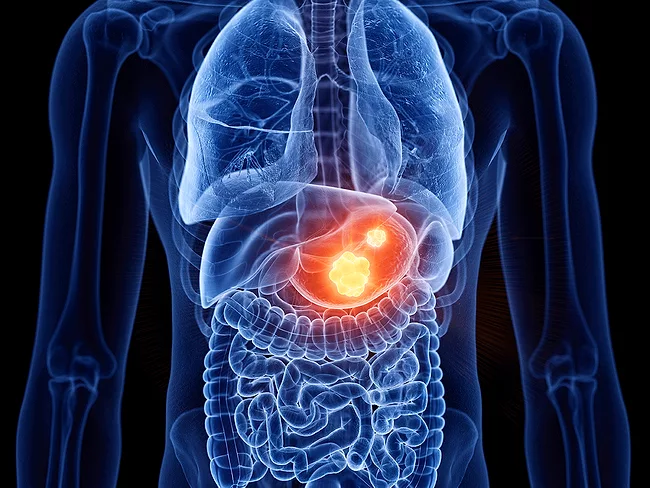
Researchers from Qingdao University have presented data from a study that aimed to investigate the role of HIG1 hypoxia inducible domain family member 1B (HIGD1B) in gastric cancer (GC). The expression of HIGD1B was analyzed in GC and normal gastric tissues from multiple independent cohorts from public databases and verified using cell experiments.
A study on the posttranslational modification through lactylation of non-histone proteins revealed a mechanism that participates in genome stability and provides resistance to chemotherapy. Scientists from The Second and The Seventh Affiliated Hospital of Sun Yat-sen University (SYSU) identified the lactation of the Nijmegen breakage syndrome 1 (NBS1) protein and the enzymes that participate in this process as a strategic point in cancer therapy.
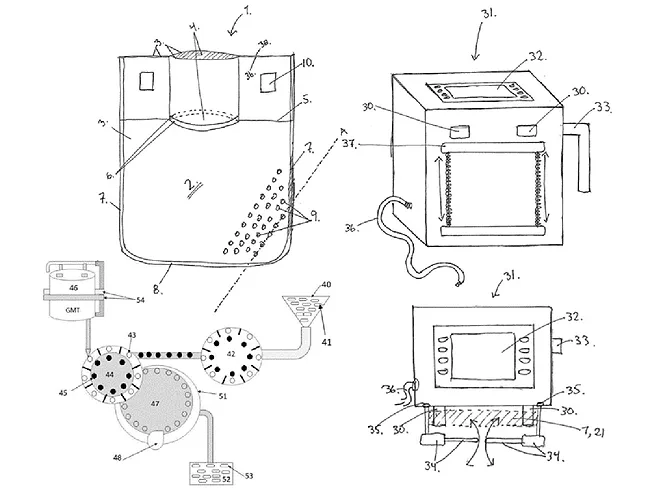
The first patenting to emerge in the name of Copenhagen, Denmark-based 1Health Gut In Balance ApS (dba Gut In Balance) describes development of an apparatus and system that enables hospitals to produce fecal microbiota transplantation capsules on site, and much more efficiently and cheaply.
Ensho Therapeutics Inc. launched in July after licensing a pipeline of four oral α4β7 inhibitors for inflammatory and gastrointestinal disorders, including inflammatory bowel disease (IBD), from EA Pharma Co. Ltd. “Millions of people worldwide are living with IBD,” Ensho founder, president and executive chair Neena Bitritto-Garg recently told BioWorld, “and while there are a number of approved medications to address the symptoms of IBD, it remains a difficult-to-treat disease with high relapse rates for a considerable proportion of patients.”
Ensho Therapeutics Inc. launched in July after licensing a pipeline of four oral α4β7 inhibitors for inflammatory and gastrointestinal disorders, including inflammatory bowel disease (IBD), from EA Pharma Co. Ltd. “Millions of people worldwide are living with IBD,” Ensho founder, president and executive chair Neena Bitritto-Garg recently told BioWorld, “and while there are a number of approved medications to address the symptoms of IBD, it remains a difficult-to-treat disease with high relapse rates for a considerable proportion of patients.”
Astellas Pharma Inc.’s claudin (CLDN) 18.2-targeted monoclonal antibody, zolbetuximab, received a positive opinion from the EMA’s Committee for Medicinal Products for Human Use (CHMP) and could be the first CLDN18.2 molecule to be approved in Europe if it receives final approval.
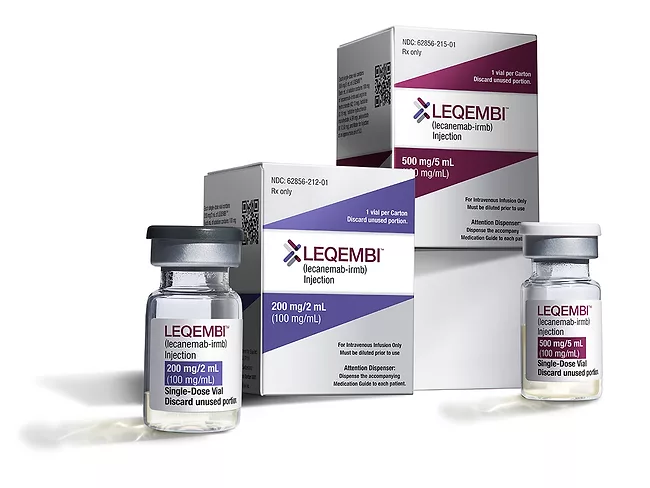
The EMA’s Committee for Medicinal Products for Human Use (CHMP) recommended approval of 14 drugs and the extension of the label of 11 others at its July meeting, but, inevitably, it was the decision to turn down the Alzheimer’s disease therapy Leqembi (lecanemab) that stirred the greatest reaction.
Parvus Therapeutics Inc.'s PVT-201 has received orphan drug status from the U.S. FDA for the treatment of primary biliary cholangitis (PBC), an autoimmune disease of the liver.
Astellas Pharma Inc.’s claudin (CLDN) 18.2-targeted monoclonal antibody, zolbetuximab, received a positive opinion from the EMA’s Committee for Medicinal Products for Human Use (CHMP) and could be the first CLDN18.2 molecule to be approved in Europe if it receives final approval.
Another failure with allosteric tyrosine kinase 2 (TYK2) inhibitor VTX-958 put an end to internal work with the compound, and shares of Ventyx Biosciences Inc. (NASDAQ:VTYX) fell July 29 to $2.24, down 71 cents or 24%, after the firm disclosed results from the phase II, 109-subject trial in moderately to severely active Crohn’s disease (CD).
 RSS
RSS