Imunon Inc. has entered into a cooperative research and development agreement with the National Institute of Allergy and Infectious Diseases (NIAID) for the evaluation of the immunogenicity and efficacy of two Imunon DNA-based Lassa virus vaccine candidates. Under the 3-year agreement, the NIAID will assess the efficacy of Placcine DNA constructs against Lassa virus in guinea pig and non-human primate disease models, including both prime and prime-boost vaccine strategies.
Mysthera Therapeutics AG has launched to develop first-in-class, oral therapeutics to treat complex autoimmune diseases. Seed capital will be used to advance its portfolio of preclinical stage, pan-PIM kinase inhibitors to modulate multi-lineage immune cell functions.
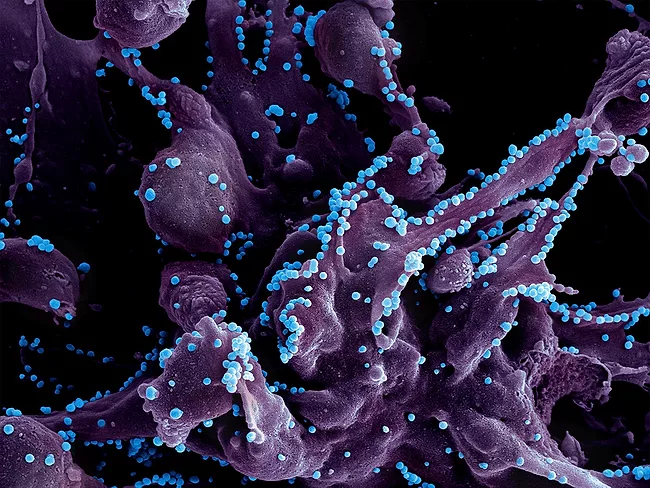
A study from Weill Cornell Medicine and The Jackson Laboratory has described the epigenetic mark SARS-CoV-2 left on immune system stem cells in the most severe cases of COVID-19 early in the pandemic, before the development of vaccines. In their work published in Cell on Aug. 18, 2023, the researchers presented a new methodology to analyze the epigenetic changes in monocytes and circulating hematopoietic stem and progenitor cells (HSPCs) that give rise to monocytes. That allowed corresponding author Steven Josefowicz and his colleagues to see if there were already changes induced by COVID-19 before HSPCs differentiated into monocytes.
The U.S. FDA has approved its second treatment for an ultra-rare disease in the past three days by greenlighting Veopoz (pozelimab-bbfg) from Regeneron Pharmaceuticals Inc. Approval of the priority BLA for Veopoz, a fully human monoclonal antibody to treat Chaple disease, was announced two days ahead of its Aug. 20 PDUFA date. It is the only FDA-approved therapy for the indication.
Artiva Biotherapeutics Inc. has received FDA clearance of its IND application for Allonk (AB-101), to be used in combination with rituximab for treatment of systemic lupus erythematosus (SLE) in patients with active lupus nephritis.
Interleukin-4 (IL-4) plays an important role in regulating inflammation. While several antibody-based options targeting IL-4 have been reported, strategies based on small molecule inhibitors have proven difficult to find.
Immpact Bio USA Inc. has received FDA clearance of its IND application for IMPT-514, a bispecific CD19/CD20 chimeric antigen receptor (CAR) T therapy for the treatment of active, refractory systemic lupus erythematosus (SLE).
Researchers from Bristol Myers Squibb Co. presented the discovery and preclinical evaluation of a novel diacylglycerol kinases (DGK) α and ζ dual inhibitors.
Researchers at City of Hope were awarded $32.3 million from the California Institute for Regenerative Medicine (CIRM) to support three novel phase I clinical trials evaluating innovative cell and gene therapy treatments for patients with HIV, acute myeloid leukemia (AML) and severe aplastic anemia.
An experimental vaccine that contained antigens of both lytic and latent phases of Epstein-Barr virus (EBV), and induced both an antibody and a T cells response, was able to generate broad and long-lasting immunity against EBV in mouse models of infection. Researchers from the QIMR Berghofer Medical Research Institute and Elicio Therapeutics Inc. reported those results online in Nature Communications on Aug. 8, 2023.
For some viruses, the challenge to developing a vaccine is their rapid mutation rate. This is the major challenge to developing an HIV vaccine or a universal flu vaccine. EBV is different. Its superpower is its ability to hide.
 RSS
RSS