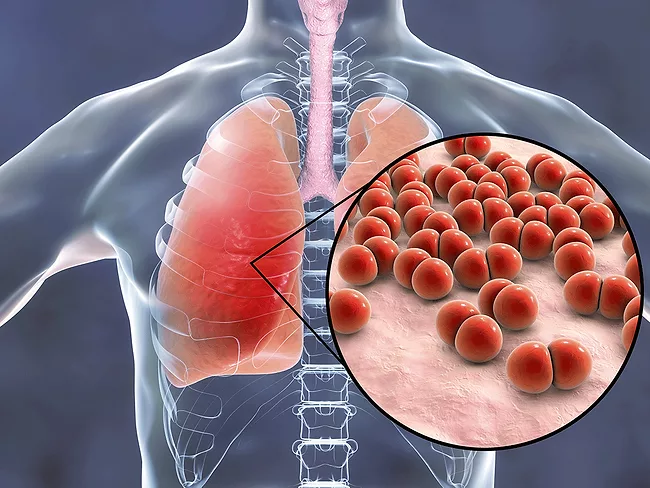
Vaxcyte Inc. has received FDA clearance of its IND application for VAX-31, a 31-valent pneumococcal conjugate vaccine (PCV) candidate designed to prevent invasive pneumococcal disease.
Activated phosphoinositide 3-kinase δ syndrome type 1 (APDS1) is a rare disease caused by gain-of-function (GOF) mutations in the PIK3CD gene that presents with combined immunodeficiency due to decreases in IgA, IgG, naive CD4 and naive CD8 cells. Nearly all APDS1 patients suffer from recurrent respiratory tract infections with most presenting with bronchiectasis and chronic viral infections.
A new deal between privately held Hummingbird Bioscience Pte. Ltd. and Endeavor Biomedicines Inc. is just one of three antibody-drug conjugate (ADC) agreements reached in the past week, marking a fourth-quarter surge for the therapy. Endeavor has acquired the exclusive, worldwide rights to Hummingbird’s HMBD-501, a HER3-targeted ADC with an exatecan payload. Hummingbird could receive up-front and milestone payments of up to $430 million, along with royalties from net sales.
Korean bioventure GI Innovation Inc. inched closer to achieving its goal of “five tech transfer deals in five years” with another licensing deal for its allergy drug, GI-301, with Japan-based Maruho Co. Ltd. for ₩298 billion (US$220.7 million), although share prices still dropped on the news.
Nkarta Inc. is looking to return to the heady heights it hit three years ago when its shares were going for around $70 each. The company is reinventing itself as a cancer fighter and branching out as an autoimmune specialist. Nkarta joins at least four other companies looking at expanding their cell therapies into other autoimmune indications.
In the U.S., hospital-borne antimicrobial-resistant nosocomial infections affect over 700,000 people every year causing more than 90,000 deaths along with a $28-45 billion financial burden. This commonly involves either methicillin-resistant Staphylococcus aureus (MRSA), vancomycin-resistant Enterococcus or carbapenem-resistant Acinetobacter baumannii.
Astria Therapeutics Inc.’s potential $320 million deal with Ichnos Sciences Inc. to bring aboard an OX40 portfolio for atopic dermatitis puts the firm in line to compete with big pharma, which is trying – at a much later stage – the same mechanism of action.
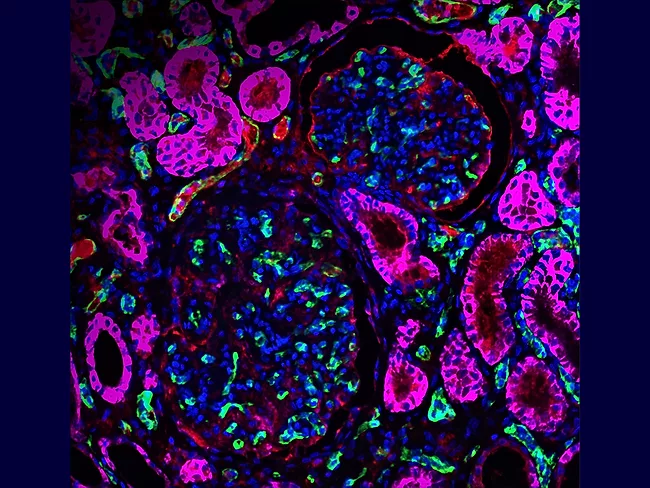
Scientists at Egenesis Inc. have transplanted kidneys from genome-edited pigs into cynomolgus monkeys that remained functional for long periods after transplantation. The monkeys, whose own kidneys were removed during the surgery, survived for a median of 176 days after receiving one pig kidney. Maximal survival was just over 2 years. The data were published today in Nature. Egenesis CEO Mike Curtis told reporters that the study has achieved the longest survival to date “using clinically translatable immunosuppression … longer survival has been achieved using really aggressive immunosuppression that really isn’t clinically translatable.”
Scientists at Egenesis Inc. have transplanted kidneys from genome-edited pigs into cynomolgus monkeys that remained functional for long periods after transplantation. The monkeys, whose own kidneys were removed during the surgery, survived for a median of 176 days after receiving one pig kidney. Maximal survival was just over 2 years. The data were published today in Nature. Egenesis CEO Mike Curtis told reporters that the study has achieved the longest survival to date “using clinically translatable immunosuppression … longer survival has been achieved using really aggressive immunosuppression that really isn’t clinically translatable.”
Qyuns Therapeutics Co. Ltd. has filed to list on the Hong Kong Exchange to fund its autoimmune and allergic disease therapy pipeline, including lead assets QX-002N for ankylosing spondylitis and QX-005N for multiple indications including atopic dermatitis.
 RSS
RSS