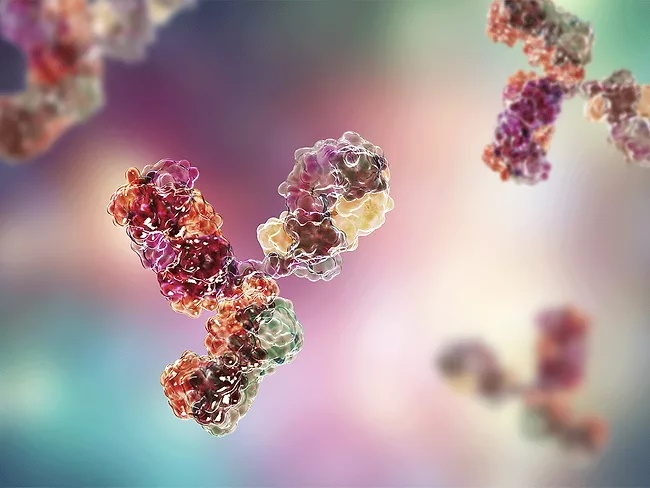
Kyorin Pharmaceutical Co. Ltd. is licensing Hinge Bio Inc.’s multispecific antibody-based therapy HB-2198 in Japan for multiple autoimmune indications, starting with systemic lupus erythematosus.
Patients with chronic spontaneous urticaria who remain symptomatic despite H1 antihistamine treatment now have a new oral treatment option, with the U.S. FDA’s approval of Novartis AG’s Rhapsido (remibrutinib), a Bruton’s tyrosine kinase inhibitor administered by pill twice daily.
Anaptysbio Inc. said it intends to split into two publicly traded companies – one for developing a pipeline, the other for managing royalties – each with its own business model. The royalty company will hold and manage the rights to big-earning Jemperli (dostarlimab) royalties from collaborator GSK plc, along with imsidolimab milestones and royalties from Vanda Pharmaceuticals Inc.
Clarivate plc has unveiled the 2025 Citation Laureates. Widely considered a predictor of the Nobel Prizes, this recognition has highlighted the discovery of biomolecular condensates in chemistry and the innate immunity signaling pathway in physiology or medicine, as well as the identification of leukemia stem cells and ghrelin, the so-called hunger hormone.
Is there a link between cellular senescence and multiple sclerosis (MS) progression? Several presentations at this year’s European Committee for Treatment and Research in Multiple Sclerosis 2025 (ECTRIMS 2025) conference, in Barcelona, which ended Sept. 26, addressed this question
Is there a link between cellular senescence and multiple sclerosis (MS) progression? Several presentations at this year’s European Committee for Treatment and Research in Multiple Sclerosis 2025 (ECTRIMS 2025) conference, which ends today in Barcelona, addressed this question.
Aera Therapeutics Inc. has nominated AERA-109, a targeted in vivo CAR T therapy designed to treat multiple B cell-mediated autoimmune diseases, as the company’s first development candidate. AERA-109 leverages Aera’s proprietary targeted lipid nanoparticle (tLNP) delivery platform and CAR T technology.
Clarivate plc has unveiled the 2025 Citation Laureates. Widely considered a predictor of the Nobel Prizes, this recognition has highlighted the discovery of biomolecular condensates in chemistry and the innate immunity signaling pathway in physiology or medicine, as well as the identification of leukemia stem cells and ghrelin, the so-called hunger hormone.
Genfleet Therapeutics (Shanghai) Inc. debuted on the Hong Kong Stock Exchange on its second attempt at an IPO, raising HK$1.819 billion (US$234 million). Genfleet’s shares (HKEX:2595) rose to HK$44.00 at the opening bell on Sept. 19 and closed at HK$42.10, about 106% higher than the listing price.
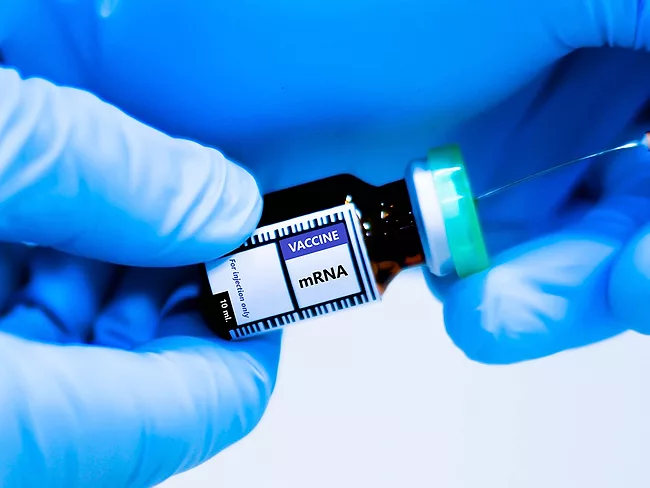
GC Biopharma Corp. has filed an IND application with the South Korean Ministry of Food and Drug Safety (MFDS) for a phase I trial of GC-4006A, an mRNA vaccine candidate for COVID-19.
 RSS
RSS