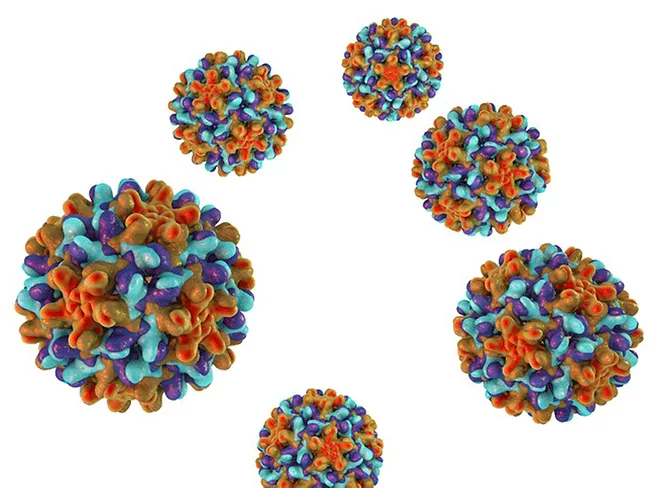
After seeing elevated alanine transaminase (ALT) levels consistent with drug-induced hepatotoxicity in its phase II study of ABI-H2158, Assembly Biosciences Inc. decided to discontinue development of the chronic hepatitis B virus (HBV) infection therapy.
Less than six months after closing a $55 million series A round, Asher Biotherapeutics Inc. has added another $108 million in a series B round to accelerate development of its early stage pipeline of targeted cytokine-based immunotherapies for cancer, autoimmune disease and infection.
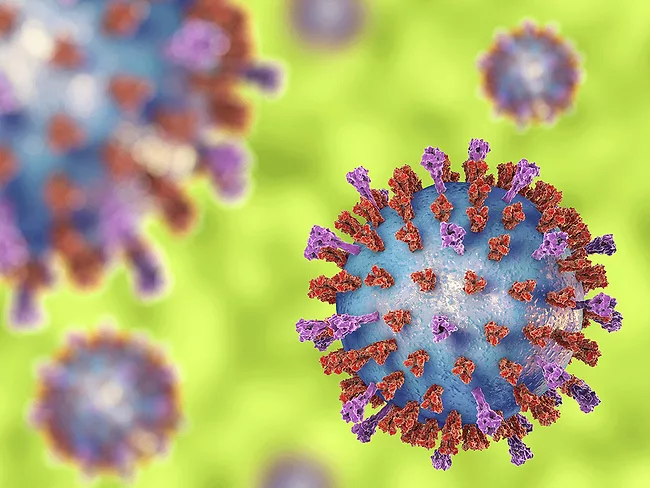
“Now it’s all about time to market,” Bavarian Nordic A/S CEO Paul Chaplin said as the company disclosed positive results from the phase IIa study with its respiratory syncytial virus (RSV) vaccine, MVA-BN RSV. “We’re looking at designs [for phase III] that give us the fastest approval possible” in the competitive space, he said, adding that the previously envisioned two-season setup “has gone out the window” with the latest findings.
Hebecell Corp. closed on a $53 million series A funding to continue advancing its off-the-shelf pluripotent stem cell CAR-natural killer cell (PSC-CAR-NK) therapy program into the clinic. Allen Feng, Hebecell’s chief scientific officer, has worked in stem cell development for more than 16 years. He’s seen a lot of technological change, especially in the past two years. Everyone is using the same technology, he said, but added that Hebecell’s technology is different from anyone else’s. It’s much simpler technology and has “very good potential” to move into large-scale industrial production.
A closely watched phase IIb test of JNJ-9220, an investigational HIV vaccine regimen developed by Johnson & Johnson's Janssen Vaccines & Prevention BV, has been stopped because the regimen provided insufficient protection against HIV infection. Though safe, the candidate's efficacy was just 25.2%, according to statisticians who analyzed data from the study, called Imbokodo. Further analysis of the study will continue, and the study was deemed to have provided sufficient data for further immunological correlates research, according to J&J.

 RSS
RSS