Dice Alpha Inc. has synthesized phenyl acetamide compounds acting as interleukin-17A (IL-17A) production inhibitors reported to be useful for the treatment of psoriasis, radiographic axial spondyloarthritis (ankylosing spondylitis), hidradenitis suppurativa, spondyloarthritis, psoriatic and rheumatoid arthritis.
An Icelandic genome-wide association study that linked variants in a gene which regulates retinoic acid synthesis to severe osteoarthritis (OA) of the hands, has led on to the discovery of an anti-inflammatory role for the vitamin A metabolite and pointed to a new class of potentially disease-modifying drugs. A proof-of-concept clinical trial of talarozole, a retinoic acid metabolism blocking agent, is now taking place to assess if increasing retinoic acid production suppresses inflammation in the joint tissues of patients with OA.
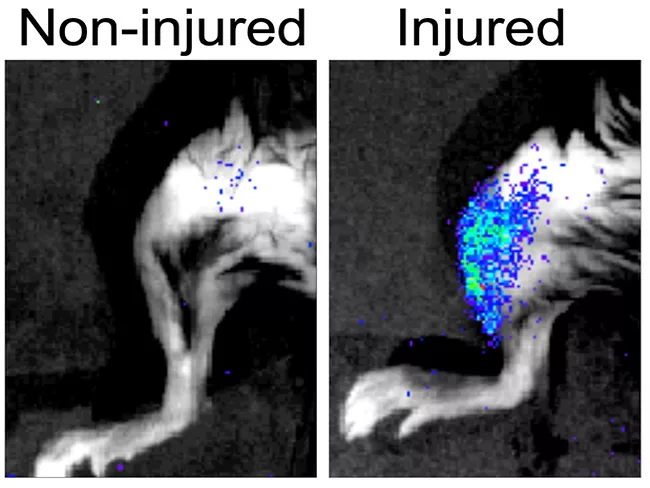
The first in vivo cell atlas of senescent tissue in skeletal muscle has identified the damaging properties of these cells and explained why they block muscle regeneration. According to a study at Pompeu Fabra University led by scientists from Altos Labs Inc., cell damage caused the senescence of the cells, which secreted toxic substances into the surrounding microenvironment, causing fibrosis and preventing tissue regeneration.
To date, there are no current orally available compounds that promote bone formation for treating osteoporosis; most treatments act by inhibiting osteoclastic bone resorption, leading to increased bone mineral density and reduced hip fracture rate in a modest way. Analogues of parathyroid hormone (PTH) are the most frequently used bone anabolic agents, which even though effective, they require daily injections.
The sex-determining region Y (SRY)-related HMG-box, group E (SOXE) transcription factors SOX9 and SOX10 are essential for the specification and differentiation of many progenitor cell types and for the development of several organs and tissues.
Janssen Pharmaceutica NV has divulged NLRP3 inflammasome inhibitors reported to be useful for the treatment of osteoarthritis, cancer, nonalcoholic steatohepatitis (NASH), skin lesion, sarcoidosis, as well as cardiovascular, metabolic and Alzheimer's diseases, among others.
Silo Pharma Inc. plans to initiate a pilot study of SPU-21, its novel joint-homing peptide targeting rheumatoid arthritis (RA), in human synovial tissue surrounding joints and tendons.
Now, researchers at Stanford University School of Medicine have shown that by targeting CD47 – better known for its role as an innate immune checkpoint akin to PD-1 and CTLA-4 in the adaptive immune system – they were able to restore muscle stem cell function. Aged mice regained muscle strength comparable to younger animals after receiving an antibody treatment targeting CD47 signaling in muscle stem cells.
Gilead Sciences Inc. has divulged thienopyrrole compounds acting as Toll-like receptor 7 (TLR7) and/or TLR8 antagonists reported to be useful for the treatment of systemic lupus erythematosus (SLE), cutaneous lupus erythematosus, lupus nephritis and inflammatory disorders, among others.

 RSS
RSS