Briefing documents suggest smooth sailing for Rexulti (brexpiprazole) at the meeting to deliberate an application to expand the label of the compound from Otsuka Pharmaceutical Co. Ltd. and Lundbeck A/S into agitation related to Alzheimer’s disease (AD) dementia. A joint sit-down on April 14 of the U.S. FDA’s Psychopharmacologic Drugs Advisory Committee (adcom) and the Peripheral and Central Nervous System Drugs Advisory Committee will take up the matter of an add-on indication for Rexulti, a serotonin-dopamine activity modulator for schizophrenia and for the adjunctive treatment of major depressive disorder.
Prodrugs of G protein-coupled receptor GPR52 agonists have been reported in a recent Heptares Therapeutics Ltd. patent as potentially useful for the treatment of psychosis, among others.
Arena Pharmaceuticals Inc. and Boehringer Ingelheim Pharma GmbH & Co. KG have jointly patented 3-phenoxyazetidin-1-yl-heteroaryl pyrrolidine derivative G protein-coupled receptor GPR52 agonists.
Investigators from the European Brain Research Institute (EBRI) recently presented data on an immunotherapeutic approach based on the monoclonal antibody (MAb) 12A12 for treating Alzheimer’s disease (AD).
Researchers from Biorchestra Ltd. presented preclinical data for BMD-001, a novel nanoparticle-formulated antisense oligonucleotide (ASO) being developed for the treatment of Parkinson’s disease (PD). miR-485-3p has been previously identified as a pathway and therapeutic target in neuroinflammatory disease, and the potential relevance of this target in PD was further confirmed through RNA-Seq and analysis of expression levels in animal models and patients with PD.
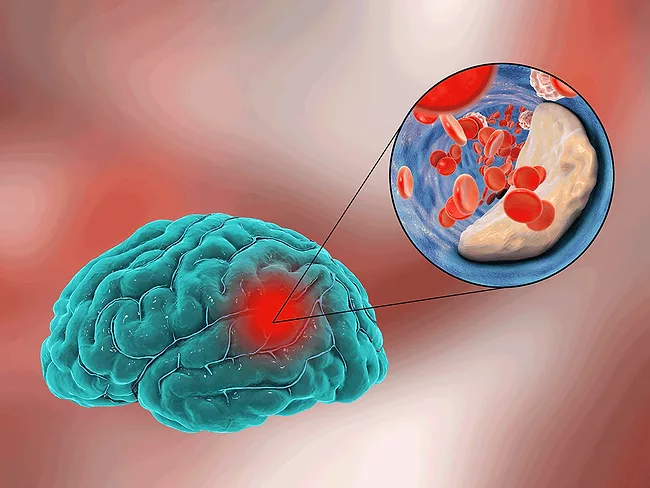
Acute thrombosis, including heart attack and stroke, is a leading cause of mortality worldwide. Yet only a small fraction of patients can be treated with current therapeutic or surgical interventions. Enter Basking Biosciences Inc., a 2019 startup aimed at developing a short-acting, fast-onset thrombolytic drug alongside a reversal agent for treating acute ischemic stroke.
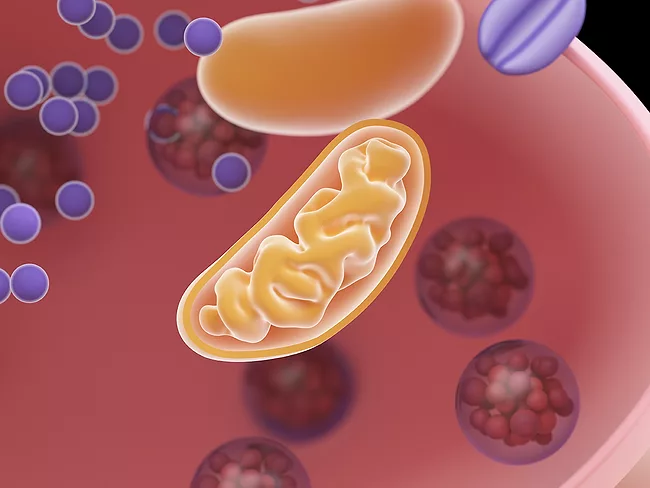
RNA editing in schizophrenia (SCZ)-associated genes was decreased in postmortem brains of individuals of European descent, according to a study from the University of California, Los Angeles (UCLA). The scientists obtained the RNA editome from SCZ brains to detect the sequence changes in their RNA and observed hypoediting in noncoding regions related to mitochondrial function, such as the mitofusin-1 (MFN1) gene.
Research at Nanjing Minova Pharmaceutical Co. Ltd. has led to the development of water-soluble allopregnanolone derivatives acting as prodrugs and reported to be useful for the treatment of Alzheimer’s disease, epilepsy, traumatic brain injury, post-traumatic stress, seasonal mood disorder, essential tremor, dysthymia and postpartum depression, among others.
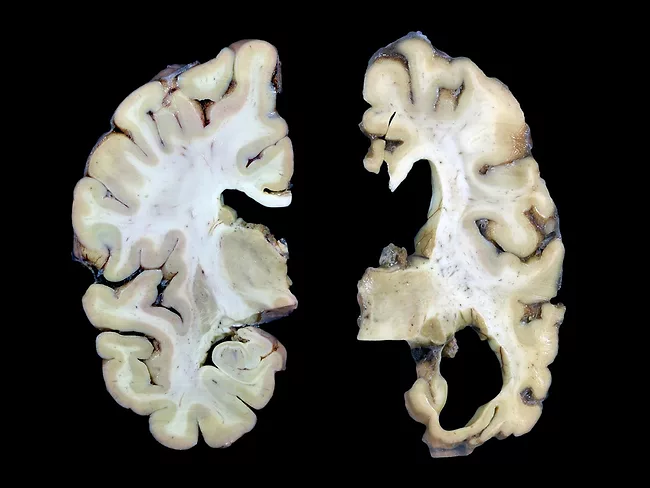
Researchers from Attralus Inc. reported preclinical data for AT-04, a novel peptibody designed to bind neuropathologic fibrillar aggregates in the brains of patients with Alzheimer’s disease (AD).
Promis Neurosciences Inc. has submitted an IND application to the FDA for PMN-310 for the treatment of Alzheimer’s disease. PMN-310 is a monoclonal antibody designed to be highly selective for toxic oligomers of amyloid-β (Aβ) that are believed to be a major driver of AD, as opposed to monomers or plaque.