In January, a Wall Street analyst predicted the U.S. FDA’s rejection of Eli Lilly and Co.’s application seeking accelerated approval of amyloid beta-targeting Alzheimer’s candidate, donanemab, would be a “mere footnote” in the drug’s development, a forecast confirmed in the wake of positive top-line phase III data showing donanemab significantly slowed cognitive and functional decline in people with early symptomatic disease.
The University of Vermont has identified ADCYAP receptor type I (PAC1 receptor) antagonists reported to be useful for the treatment of pain, eating, neurological and stress disorders, substance abuse and dependency.
Nerve growth factor (NGF) actions are involved in pain perception and mediated via the tyrosine kinase TrkA (tropomyosin receptor kinase A) in neural cells. Mutations in the gene encoding for TrkA cause hereditary sensory and autonomic neuropathy type IV (HSAN IV), a rare autosomal recessive disorder characterized by loss of responses to noxious stimuli, anhidrosis and cognitive impairment. Until now, appropriate animal models to study the mechanisms underlying HSAN IV were missing.
The map of the genetic activity of the risk genes that affect the central nervous system (CNS) reveals the molecular signatures associated with the neurological pathologies in this organ. A study by researchers at McGill University in Canada and the Allen Institute for Brain Science in Washington compared 40 brain diseases with this technology and classified them into five groups whose members shared the same transcriptional pattern.
Now that Avadel Pharmaceuticals plc has final U.S. FDA approval for its narcolepsy drug Lumryz, the company has priced the sodium oxybate formulation to match the cost of competitor Xywav from Jazz Pharmaceuticals plc. Avadel said it plans to charge $64.67 per gram for Lumryz. The annual cost based a 9-gram dose would be about $212,441 per patient. Three daily dose levels, 6 grams, 7.5 grams and 9 grams, were evaluated during a phase III study the final approval was based on.
Recent findings in murine studies have unveiled a circuit linking the basolateral amygdala to the anterior cingulate cortex (BLA-ACC circuit) as a key for chronic pain-induced depression symptoms; researchers aimed to clarify the mechanisms behind this phenotype. Stimulation of this circuit led to the upregulation of semaphorin 4A (SEMA4A), which was the focus of the study.
Therini Bio Inc. has closed a US$36 million series A financing round that will support its work on developing fibrin-targeted therapies for diseases driven by chronic inflammation, including Alzheimer’s disease, multiple sclerosis and retinal diseases such as diabetic macular edema.
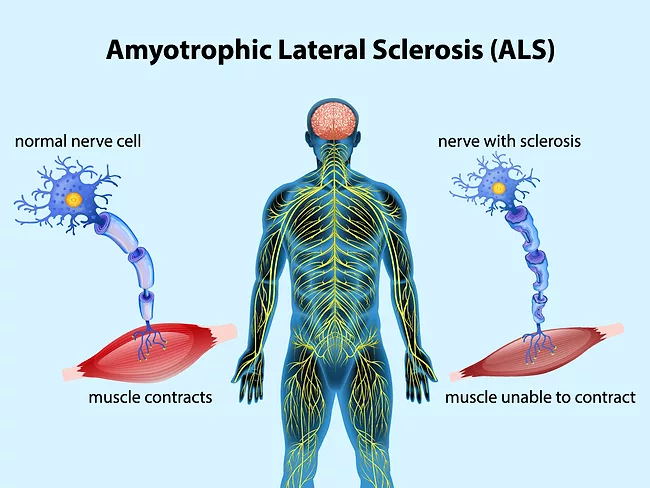
Researchers from Athira Pharma Inc. presented preclinical efficacy data for ATH-1105, a positive modulator of hepatocyte growth factor (HGF)/MET, being evaluate for the treatment of amyotrophic lateral sclerosis (ALS).
A pill that delivers electrical stimulation to the vagus nerve from inside the stomach was able to trigger the release of appetite-controlling neurohormones, specifically the “hunger hormone” ghrelin. The work, which was described in the April 26, 2023, issue of Science Robotics, could pave the way for treating “metabolic, [gastrointestinal], and neuropsychiatric disorders noninvasively with minimal off-target effects,” the authors wrote in their paper.
 RSS
RSS