Recent findings in murine studies have unveiled a circuit linking the basolateral amygdala to the anterior cingulate cortex (BLA-ACC circuit) as a key for chronic pain-induced depression symptoms; researchers aimed to clarify the mechanisms behind this phenotype. Stimulation of this circuit led to the upregulation of semaphorin 4A (SEMA4A), which was the focus of the study.
Therini Bio Inc. has closed a US$36 million series A financing round that will support its work on developing fibrin-targeted therapies for diseases driven by chronic inflammation, including Alzheimer’s disease, multiple sclerosis and retinal diseases such as diabetic macular edema.
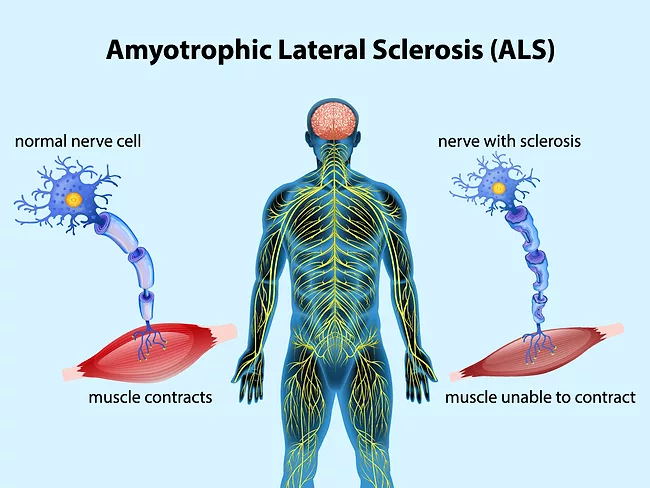
Researchers from Athira Pharma Inc. presented preclinical efficacy data for ATH-1105, a positive modulator of hepatocyte growth factor (HGF)/MET, being evaluate for the treatment of amyotrophic lateral sclerosis (ALS).
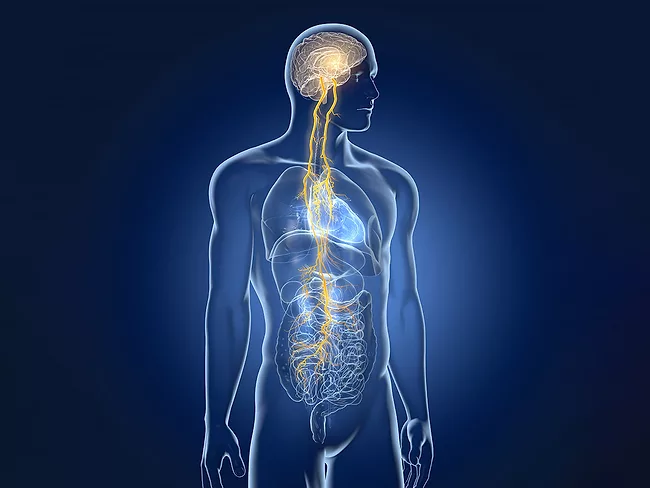
A pill that delivers electrical stimulation to the vagus nerve from inside the stomach was able to trigger the release of appetite-controlling neurohormones, specifically the “hunger hormone” ghrelin. The work, which was described in the April 26, 2023, issue of Science Robotics, could pave the way for treating “metabolic, [gastrointestinal], and neuropsychiatric disorders noninvasively with minimal off-target effects,” the authors wrote in their paper.
Leucine-rich repeat kinase 2 (LRRK2; Dardarin) inhibitors have been detailed in a recent Merck Sharp & Dohme Corp. patent and reported to be useful for the treatment of Parkinson’s disease, among others.
Grünenthal Gmbh and King’s College London have entered into a 24-month collaboration to develop microfluidic culture (MFC) models based on human induced pluripotent stem cells (iPSCs) for pain research.
The brain is plastic throughout life, but never more so than from birth to young adulthood. It increases its volume by developing dendrites and axons that connect neurons in to each other, forming new pathways to process the information that it will store. Those connections require maintenance. And if a connection is unsuccessful, better to delete it than to keep it. This is known as synaptic pruning and occurs from childhood to the age of 20. Now, a group of scientists from the University of Cambridge and Fudan University has described a neuropsychopathological (NP) factor that explains why inappropriate pruning in adolescence is related to mental health disorders.
U.S. Centers for Medicare & Medicaid Services (CMS) Administrator Chiquita Brooks-LaSure made her first appearance April 26 before the House Energy and Commerce’s Subcommittee on Health, ostensibly to discuss legislative solutions to increase transparency and competition in health care. But member after member, regardless of political party, demanded answers about why CMS continues to severely restrict access to Eisai Co. Ltd.’s Alzheimer’s drug, Leqembi (lecanemab), especially since another government agency is covering it for all veterans that meet the labeling requirements.
 RSS
RSS