G2Gbio Inc. debuted on the Korea Exchange with a ₩52.2 billion (US$37.7 million) IPO Aug. 14. Nearly half of the funds raised will be used to expand Cheongju-si, South Korea-based G2Gbio’s manufacturing plants and help mass produce sustained-release injectable drug products such as GB-5001, its lead candidate in development as a once-monthly formulation of donepezil (Aricept; Eisai Co. Ltd.) for Alzheimer’s disease.
The difference between the origin of Alzheimer's disease (AD) and its symptoms is an obstacle to finding effective treatments. Scientists focused on amyloid-β (Aβ) plaques and tau aggregates to slow neurodegeneration and cognitive decline. Without identifying what causes AD, approved treatments do not provide much benefit.
The Jackson Laboratory has disclosed short transient receptor potential channel 3 (TRPC3) and short transient receptor potential channel 6 (TRPC6) antagonists reported to be useful for the treatment of Alzheimer’s disease.
Childhood-onset neurodegeneration with cerebellar atrophy (CONDCA) is an autosomal recessive disorder that causes progressive motor and cognitive impairment in children. The disease arises as a result of inactivating mutations in cytosolic carboxypeptidase 1 (CCP1), leading to excessive polyglutamylation of tubulin in the brain. Researchers at Shimane University have shown in a mouse model that delivering a truncated form of CCP1 into the brain can substantially mitigate Purkinje cell degeneration and improve motor function.
Seal Rock Therapeutics Inc. has joined The Michael J. Fox Foundation for Parkinson’s Research (MJFF) LRRK2 Investigative Therapeutics Exchange (LITE) program. The program supports the development of new therapies targeting LRRK2 for the treatment of Parkinson’s disease patients and fosters international collaboration across more than 30 academic and clinical centers and more than a dozen companies.
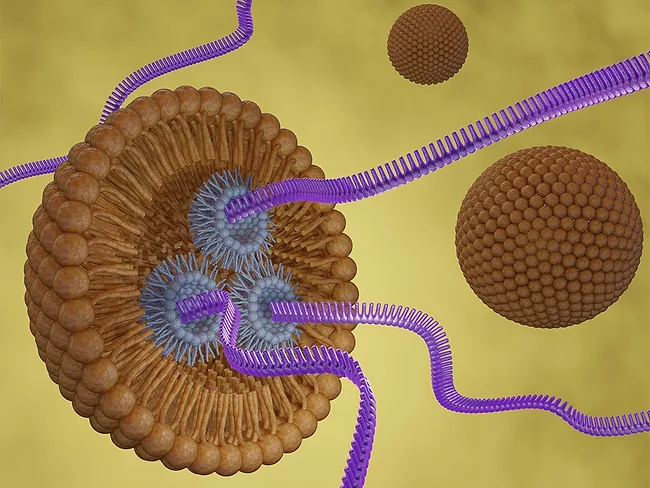
In Parkinson’s disease, α-synuclein accumulates in neurons and may thereby contribute to their degeneration. Reducing expression of α-synuclein may be an effective therapy, but delivering short interfering RNA (siRNA) to the brain noninvasively is notoriously ineffective, in part because siRNA does not pass the blood-brain barrier efficiently.
A little-known tissue composed of a cluster of immune cells could offer novel insights into the development of neurological disorders. Meninges' immune system changes with age and neurodegeneration. Are they protecting the brain or fueling disease? Mapping and analyzing the so-called ectopic lymphoid structures (ELSs) in the meninges at different ages in preclinical models of neurodegenerative diseases such as Alzheimer's may help clarify whether they are good, bad, or ugly, as in the iconic film by Sergio Leone.
The reach of the med-tech patent wars now includes devices for electroencephalography thanks to a complaint recently filed by Sunnyvale, Calif.-based Ceribell Inc. with the U.S. International Trade Commission. The company alleged infringement of six of its patents by two units under the Natus umbrella of companies, but this conflict is also under review in Delaware district court, promising a drawn-out conflict that may not resolve for years.
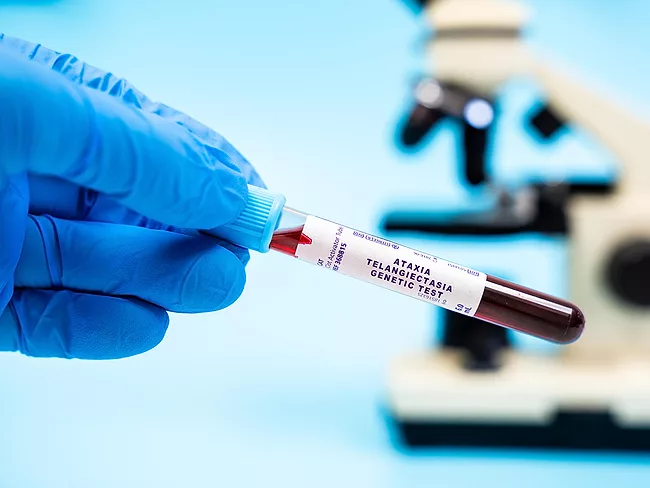
Quince Therapeutics Inc.’s mid-July completion of enrollment in the pivotal phase III study in ataxia-telangiectasia (A-T) marked an important milestone for the South San Francisco-based firm, which is not the only contender in the space. The study called NEAT – a rough acronym for “Neurological Effects of eDSP on Subjects with A-T” – will evaluate Quince’s lead asset, eDSP, in the neurodegenerative illness.
F. Hoffmann-La Roche Ltd. and Hoffmann-La Roche Inc. have divulged monoglyceride lipase (MGLL; MAGL) inhibitors reported to be useful for the treatment of cancer, amyotrophic lateral sclerosis, multiple sclerosis, pain, neuroinflammation, neurodegeneration, Alzheimer’s disease and inflammatory bowel disease, among other disorders.
 RSS
RSS