Shandong Luye Pharmaceutical Co. Ltd. has described gonadotropin-releasing hormone receptor (GNRHR) antagonists reported to be useful for the treatment of acne, cancer, dysmenorrhea, endometriosis, uterine fibroids (myoma), infertility, precocious puberty and premenstrual syndrome, among others.
An international consortium of thousands of scientists is creating the Human Cell Atlas, a three-dimensional map of all the cells in the body. The goal is to understand all the cells that make up human tissues, organs and systems, which will enable multiple medical applications. This collection of cell maps is openly available for navigation at single-cell resolution, identified through omics analyses that reveal the tridimensional distribution of each cell.
By treating mice with antifibrotic drugs, researchers were able to stave off functional decline of the ovaries. Six weeks of systemic treatment with the antifibrotic pirfenidone, which is approved for the treatment of idiopathic pulmonary fibrosis, in early middle age improved both the morphology and the endocrine function of the animals’ ovaries at 1 year of age.
The map of the human brain is not a static image of the cellular architecture of the central nervous system (CNS). Throughout life, all living beings are born, develop and age. The brain of pregnant mothers reflects a dynamic that modifies this general picture. A collaboration of scientists from the University of California has studied the changes in the adult brain during pregnancy and observed that a large part of it adapts during the development of the fetus.
Recurrent spontaneous abortion (RSA), also known as recurrent miscarriage, is a disorder related to pregnancy defined as two or more pregnancy losses during the first trimester. It affects about 2%-5% of couples trying to conceive. Chinese researchers have investigated the potential involvement of Cbl proto-oncogene like 1 (CBLL1) in RSA, since CBLL1 has been reported to vary with the menstrual cycle in the endometrium.
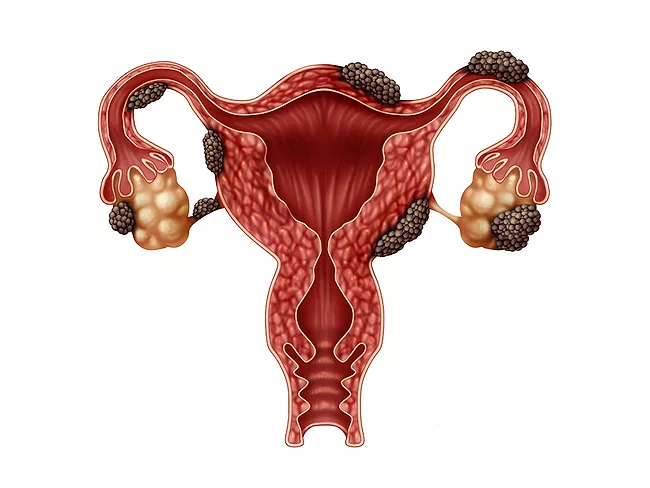
After decades of being woefully under-diagnosed and all but ignored by the biotech and pharma industry, recent advances in understanding its complex etiology could be opening the way to new treatments for endometriosis. Impetus is coming from (modest) increases in funding for basic research, such as the Biden administration’s $200 million for women’s health research and NIH grants under an ‘Advancing cures and therapies and ending endometriosis diagnostic delays’ call announced in March of this year.
Scientists at Massachusetts General Hospital have linked the risk of heart failure during pregnancy and senescence proteins produced by placental aging, which could clarify how peripartum cardiomyopathy (PPCM) is triggered and opens the door to the development of cardiac function therapies in late pregnancy.
Aska Pharmaceutical Co. Ltd., a subsidiary of Aska Pharmaceutical Holdings Co. Ltd., and Red Arrow Therapeutics Inc. have signed a joint research agreement to develop a new treatment for preeclampsia using advanced nanotechnology.
Listening to conversations between a mother and her unborn child on the cellular level could inform how the pregnancy is going and prevent complications. Three scientific groups from the Eunice Kennedy Shriver National Institute of Child Health and Human Development (NICHD), in collaboration with Wayne State University and Michigan State University, have used single-cell RNA sequencing techniques to decipher these words, identify the cellular language of these interactions in the placenta and establish a cellular atlas.
Celmatix Inc. and Aché Laboratórios Farmacéuticos SA will study the role of melatonin receptors and their agonists in polycystic ovary syndrome (PCOS). The two companies announced a collaboration, with a separate license and development agreement upon conclusion of the research.

 RSS
RSS