Researchers at Calluna Pharma AS, Agiana Pharmaceuticals AS and Roskilde University have developed the first humanized IgG4 antibody that inhibits S100A4, which is a calcium-binding protein that helps drive fibrotic inflammatory diseases.
Insmed Inc. has described cathepsin C (dipeptidyl peptidase I; DPP-1) inhibitors reported to be useful for the treatment of cancer, liver injury, osteoarthritis, heart failure, inflammatory bowel disease, rheumatoid arthritis, bronchiectasis and chronic obstructive pulmonary disease, among others.
Researchers at Guangzhou Laboratory and Guangzhou Medical University have described compounds reported to be useful for the treatment of asthma, bronchitis, chronic obstructive pulmonary disease (COPD) and infectious pneumonia.
Qyuns Therapeutics Co. Ltd. signed a potential $1.07 billion license deal with Roche Holding AG, granting the latter exclusive rights to QX-031N – a human thymic stromal lymphopoietin and interleukin-33)-targeting bispecific antibody.
Qyuns Therapeutics Co. Ltd. has entered into a collaboration and license agreement with F. Hoffmann-La Roche Ltd. granting the latter the exclusive global rights to develop, manufacture and commercialize QX-031N.
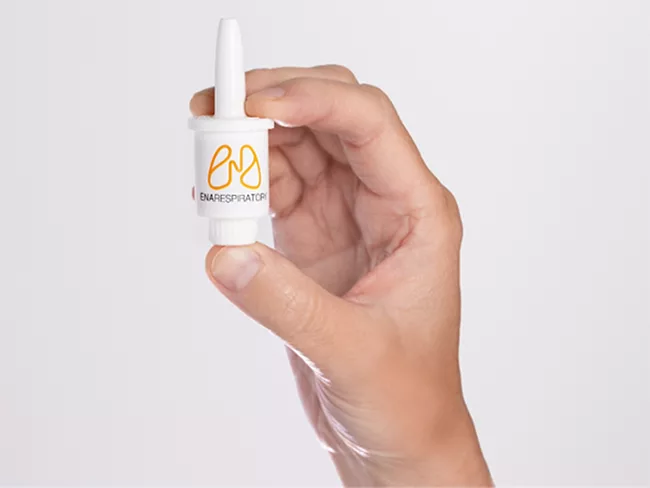
Ena Respiratory Pty Ltd. raised an AU$34 million (US$22.4 million) series B round to advance INNA-051, its nasal spray for symptomatic viral respiratory infections, to phase II trials. New investors in the Melbourne-headquartered company include the Gates Foundation and Flu Lab. Existing investors Brandon Capital, Uniseed and Stoic Venture Capital also participated in the round.
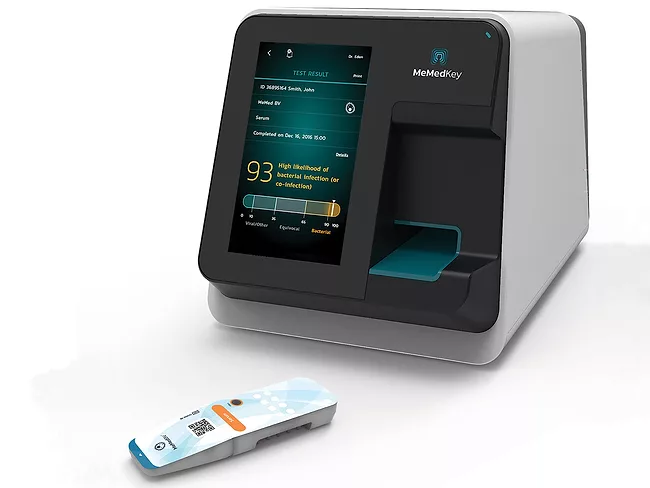
Trials are being conducted at three pediatric emergency departments in England of the Memed BV rapid blood test, designed to help health care providers distinguish between bacterial and viral infections. The test developed by Memed Diagnostics Ltd. can deliver results in as little as 15 minutes, speeding up the diagnosis of serious conditions such as sepsis or meningitis in children.
Ena Respiratory Pty Ltd. raised an AU$34 million (US$22.4 million) series B round to advance INNA-051, its nasal spray for symptomatic viral respiratory infections, to phase II trials. New investors in the Melbourne-headquartered company include the Gates Foundation and Flu Lab. Existing investors Brandon Capital, Uniseed and Stoic Venture Capital also participated in the round.
In idiopathic pulmonary fibrosis, the lung tissue thickens and stiffens through proliferation of fibroblasts and invasion by inflammatory cells. One of the drivers of these processes is the enzyme autotaxin, which produces the signaling molecule lysophosphatidic acid. Several inhibitors of autotaxin have been reported, which show varying degrees of clinical potential.
Beijing Fuyuan Medicine Co. Ltd. has described compounds acting as monocarboxylate transporter 4 (MCT4) inhibitors reported to be useful for the treatment of cancer, asthma, chronic obstructive pulmonary disease (COPD) and idiopathic pulmonary fibrosis.
 RSS
RSS