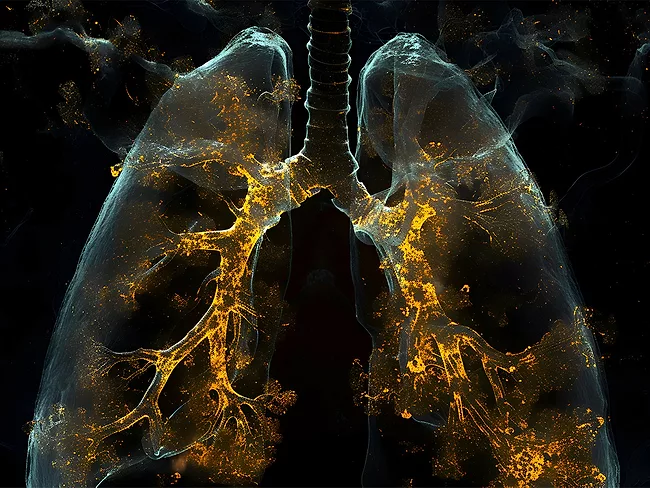
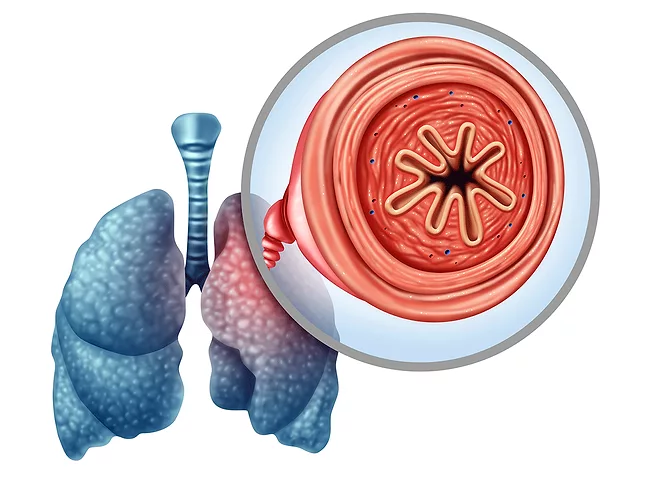
Idiopathic pulmonary fibrosis (IPF) is a progressive and fatal lung disease with limited treatment options. IPF is thought to result from repeated microinjuries to aging lung tissue, triggering dysfunctional repair responses that drive fibrosis and respiratory failure. Researchers from the University of Wisconsin Madison and the University of Texas Medical Branch have now identified a potential new therapeutic approach for IPF by targeting bromodomain-containing protein 4 (BRD4).
In the second largest M&A deal of the year, Merck & Co. Inc. has strengthened its cardiopulmonary portfolio with the $10 billion acquisition of London-based Verona Pharma plc. The deal brings Merck Ohtuvayre (ensifentrine) for chronic obstructive pulmonary disease.
Puretech Health plc’s rollout May 20 of more phase IIb data with deupirfenidone (LYT-100) in idiopathic pulmonary fibrosis (IPF) perked optimism for that compound – a deuterated form of p38 MAP kinase inhibitor pirfenidone – as well as others in the busy therapeutic space.
An experimental drug for treating diabetes and obesity has been shown to lower blood sugar levels and increase fat burning. It is a β2-adrenergic receptor (β2AR) agonist that mimics the effects of physical exercise by activating skeletal muscle metabolism. Unlike GLP-1-based treatments such as semaglutide and tirzepatide, this new compound, developed by researchers at the Karolinska Institute, Stockholm University, and the biotech company Atrogi AB, does not suppress appetite or cause muscle loss.
The U.S. Centers for Medicare & Medicaid Services finalized a coverage policy for at-home ventilation for patients with chronic respiratory failure. The amended policy also establishes a series of criteria for coverage of ventilation for chronic obstructive pulmonary disease.
3Sbio Inc. reported interim phase II study results of its PD-1/VEGF bispecific antibody, SSGJ-707 – a “fabulous” asset, according to Pfizer Inc. CEO Albert Bourla, that landed in Pfizer’s cancer arsenal via a potential $6 billion deal in May, of which $1.2 billion was paid up front.
3Sbio Inc. reported interim phase II study results of its PD-1/VEGF bispecific antibody, SSGJ-707 – a “fabulous” asset, according to Pfizer Inc. CEO Albert Bourla, that landed in Pfizer’s cancer arsenal via a potential $6 billion deal in May, of which $1.2 billion was paid up front.
Pulmonary fibrosis is a potentially deadly lung disease characterized by progressive scarring and impaired lung function, with limited treatment options and a poor prognosis. Previous work found that targeting the activation, but not the production, of latent transforming growth factor 1 (TGF-β1) may offer therapeutic benefit in this condition.
Deepcure Inc. has nominated DC-15442, an oral selective STAT6 inhibitor, as its second development candidate. DC-15442 is designed to replicate the safety and efficacy of dupilumab, while offering an oral alternative to regular subcutaneous injections.
Lex Diagnostics Ltd. has submitted dual applications to the U.S. FDA seeking 510(k) clearance and CLIA waiver status for its Velo system, an ultra-fast point-of-care molecular diagnostics platform. The move comes after the recent news from Quidelortho Corp. that it intends to acquire Lex for $100 million following U.S. regulatory approval of the technology.

 RSS
RSS