Just a few days after the U.S. Congressional Research Service issued a report suggesting ways Congress could resolve the unanswered questions about patent listings in the FDA’s Orange Book, the FTC sent a second round of warning letters to eight biopharma companies and their subsidiaries, citing the listing of device patents for combination products.
Boston-based South Korean biotech Genosco Inc. said on April 25 that it passed a technology review required for the special listing track on the tech-heavy Kosdaq market, as it readies an IPO on the Korea Exchange.
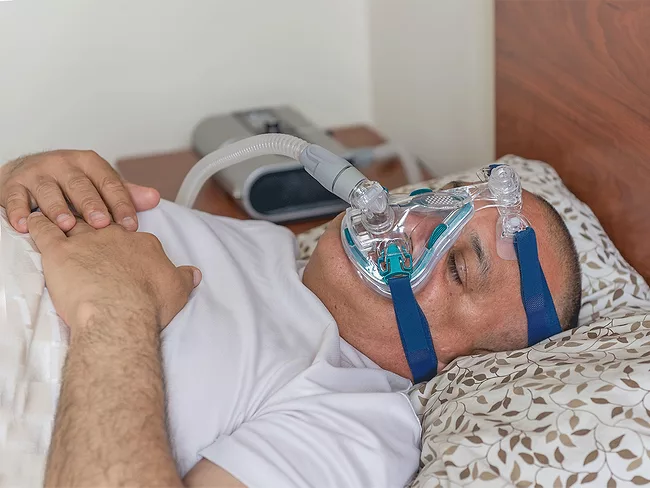
Royal Philips NV has come to terms over class-action litigation in which plaintiffs alleged that particulate matter in continuous positive airway pressure (CPAP) machines has proven harmful to their health, bringing the matter to a $1.1 billion conclusion. Despite the 10-figure sum, news of the April 29 settlement sent the company’s share prices up by roughly a third in early morning trading, suggesting that investors had already baked their expectations of the settlement into their thinking about the company’s future.
Boston-based South Korean biotech Genosco Inc. said on April 25 that it passed a technology review required for the special listing track on the tech-heavy Kosdaq market, as it readies an IPO on the Korea Exchange.
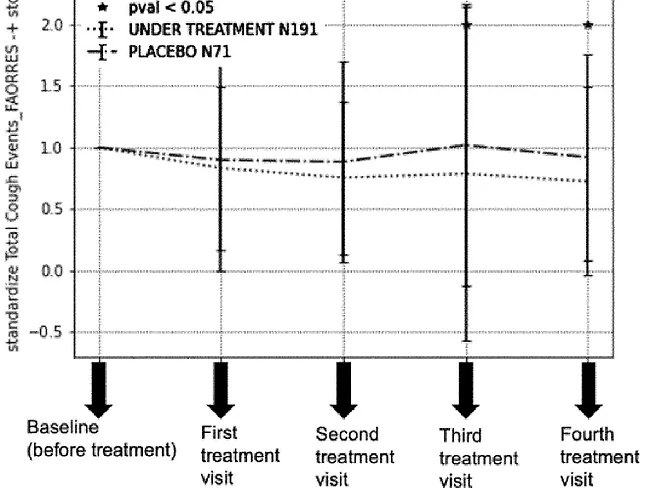
In what represents just the third PCT filing to have been published in the name of Zurich, Switzerland-based Siva Health AG, protection is sought for a computer-implemented method of classifying an individual suffering from chronic cough.
South Korean med-tech companies Nunaps Co. Ltd. and Share & Service are the latest to clear domestic approvals for digital therapeutics as the government ramps up R&D funding for artificial intelligence-based medical technologies.
Kaken Pharmaceutical Co. Ltd. has synthesized signal transducer and activator of transcription 6 (STAT6) inhibitors reported to be useful for the treatment of asthma, allergic rhinitis, chronic obstructive pulmonary disease, atopic dermatitis, nasal polyps, bullous pemphigoid, prurigo and urticaria, among others.
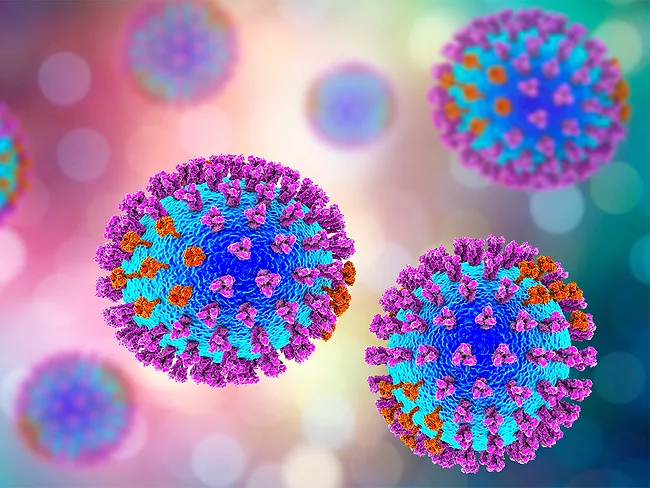
An enzyme that activates cell death could be targeted to avoid the inflammation and lung lesions caused by influenza A virus (IAV). A collaborative study demonstrated that an inhibitor of receptor-interacting serine/threonine-protein kinase 3 (RIPK3) blocked necroptosis in infected alveolar epithelial cells and prevented the consequences in the lungs of severe disease.
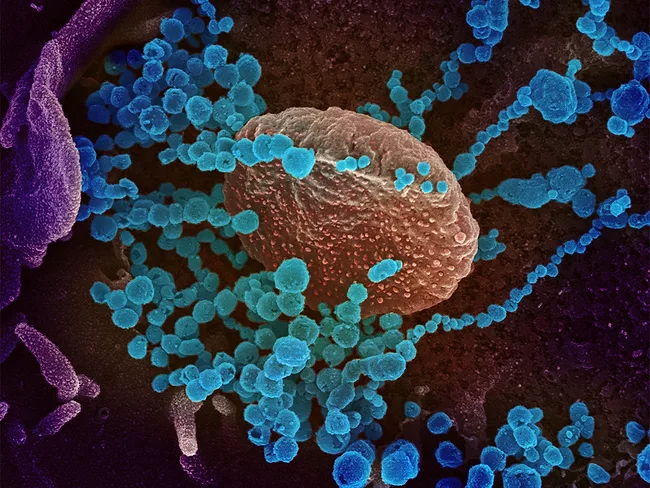
SARS-CoV-2 could proliferate in the lungs causing severe COVID-19 through a special type of immune cell. A group of scientists from Stanford University observed how this coronavirus infected interstitial macrophages through a CD209 receptor, triggering the inflammatory response observed in hospitalized patients.
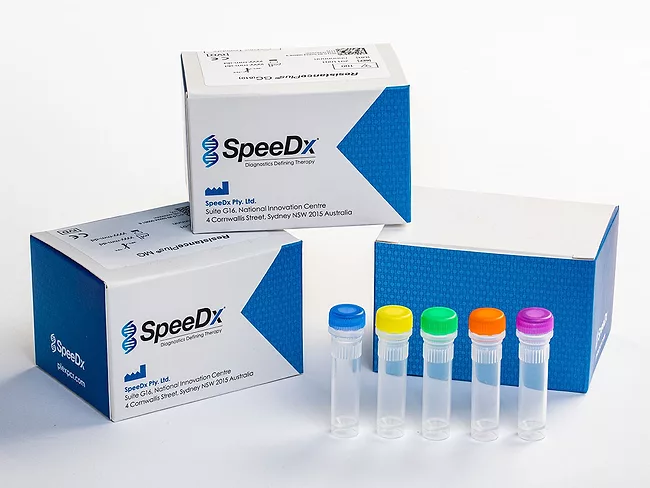
Australia’s Speedx Pty Ltd. is launching a new rapid polymerase chain reaction (qPCR) test for 14 different respiratory viruses in a single test that works on almost every commercial PCR platform in half the time and at a fraction of the cost of what its competitors charge.

 RSS
RSS