The latest firm to brave the rough IPO market, Lexeo Therapeutics Inc. made its Nasdaq debut after pricing about 9.1 million shares at $11 per share, raising proceeds of $100 million to advance its early clinical work on gene therapies for cardiovascular and neurological diseases.
Astrazeneca plc is making a $220 million equity investment and tossing in $25 million up front to Cellectis SA as part of a new collaboration agreement. The deal is part of Astrazeneca’s efforts, including a July licensing agreement worth about $1 billion with Pfizer Inc., to delve deeper into gene therapy for treating cancer and rare diseases.
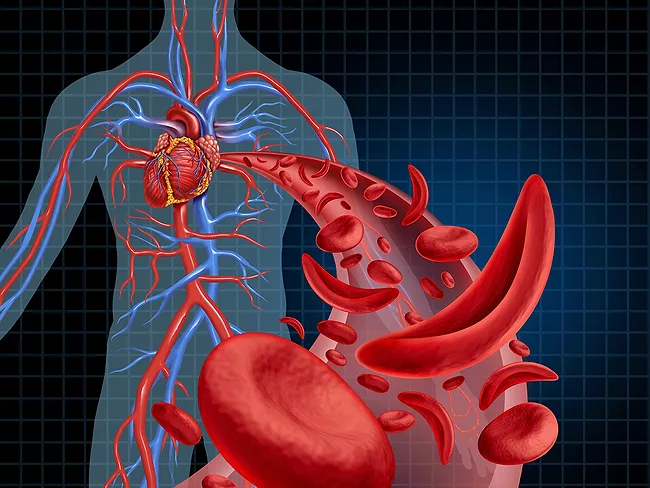
Had it been asked to, the FDA’s Cellular, Tissue and Gene Therapies Advisory Committee would have voted Oct. 31 to recommend approval of Vertex Pharmaceutical Inc. and Crispr Therapeutics AG’s exagamglogene autotemcel, or exa-cel, as a one-time transformative treatment for severe sickle cell disease in individuals 12 and older.
Failing to meet the primary endpoint in its confirmatory phase III Embark trial, Sarepta Therapeutics Inc.’s gene therapy, Elevidys (delandistrogene moxeparvovec), which received accelerated approval in June and was priced at $3.2 million, has one of three fates in its future, all of which are dependent on how the U.S. FDA perceives the data. Based on secondary endpoints showing statistical significance and a recent positive meeting with the agency, Sarepta could continue to market Elevidys under its current label for 4- and 5-year-old ambulatory Duchenne muscular dystrophy (DMD) patients; Sarepta is filing the postmarketing requirement needed to transition from accelerated to full approval.
Japanese specialty global pharma Kyowa Kirin Co. Ltd. has agreed to buy out Orchard Therapeutics plc in a $387.4 million cash takeover that could jump $90 million to reach $477.6 million, contingent on the pending U.S. FDA approval of its EU-approved gene therapy, Libmeldy (atidarsagene autotemcel).
Though data won’t be available for a few years, the disclosure in mid-July that Grifols SA completed enrollment in the phase III study called Sparta caused some ears to perk up in the alpha-1-antitrypsin deficiency (AATD) space, where a number of contenders are busy.
The combination of new U.S. FDA phase II study guidance and a $175 million underwritten public offering sent gene therapy developer Rocket Pharmaceuticals Inc.’s stock soaring on Sept 13. Shares (NASADQ:RCKT) closed 38.8% upward to $21.23 each on Sept. 13.
In its second big pharma deal to date, Shape Therapeutics Inc. drew Otsuka Pharmaceutical Co. Ltd. to the table in a potential $1.5 billion-plus collaboration initially aimed at developing gene therapies for ocular diseases. The multitarget agreement, which includes options for additional targets and tissue types, will combine Shape’s AI-driven adeno-associated virus (AAV) platform and Otsuka’s expertise in ophthalmology to develop intravitreally delivered AAV therapies.
Ferring Pharmaceuticals A/S has struck a deal with Royalty Pharma for $500 million, capital it plans to plough into achieving a successful launch of its approved bladder cancer gene therapy, Adstiladrin (nadofaragene firadenovec), in the U.S., as well as enabling it to upgrade and expand its manufacturing sites.
Modalis Therapeutics Corp. – previously Edigene Corp. – has regained full rights to two gene therapy candidates for muscle disorders, MDL-201 and MDL-202, that were co-developed with Astellas Pharmaceutical Inc. since 2019.

 RSS
RSS