More than four decades on from the approval of the first biologic drug, the industry has reached a tipping point, and biotech drugs now outnumber small molecules in the global R&D pipeline. At the start of the biotech industry, progress was slow. Between 1983 and 1995, the U.S. FDA approved an average of two biologics each year. Now, biologics have taken the lead by the smallest of margins, accounting for 50.1% of drugs in development at the start of 2026, according to the Pharma Annual Review 2026, published by Pharmaprojects, a firm that tracks global pharma R&D.
Everest Medicines Ltd. has agreed to acquire a Singapore-based commercial unit of Hasten Biopharmaceuticals (Asia) Ltd. for $150 million up front, gaining market authorization holder rights to 14 marketed products originally developed by Takeda Pharmaceutical Co. Ltd.
More than four decades on from the approval of the first biologic drug, the industry has reached a tipping point, and biotech drugs now outnumber small molecules in the global R&D pipeline.
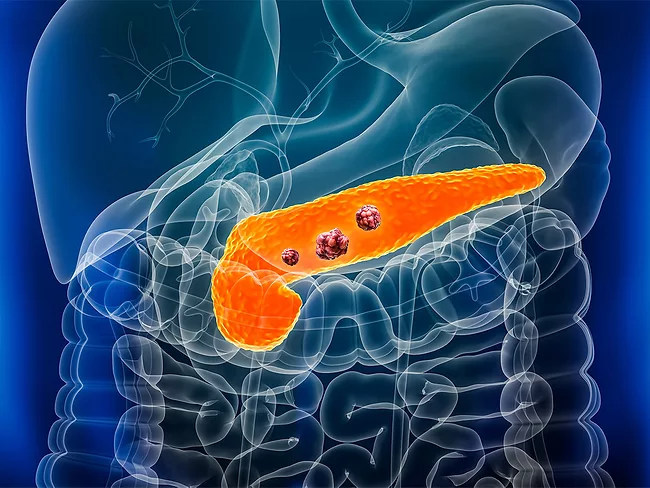
Amplia Therapeutics Ltd. has halted recruitment in its phase II Amplicity trial in advanced pancreatic cancer due to three dose-limiting toxicities related to the chemotherapy regimen, modified FOLFIRINOX (mFOLFIRINOX), which is being administered in combination with lead compound narmafotinib (AMP-945), a focal adhesion kinase inhibitor.
Deep molecular advances are enabling precision medicine for the field of hematology, Wyndham Wilson said during a plenary session at the 2026 Korean Society of Hematology International Conference March 26.
Swedish startup One-carbon Therapeutics AB is going after solid tumors with an approach that looks similar to synthetic lethals to some people, and to chemotherapy to others. But One-carbon CEO Ana Slipicevic said that TH-9619, the company’s first-in-class inhibitor of the enzyme MTHFD1/2, is neither of those things.
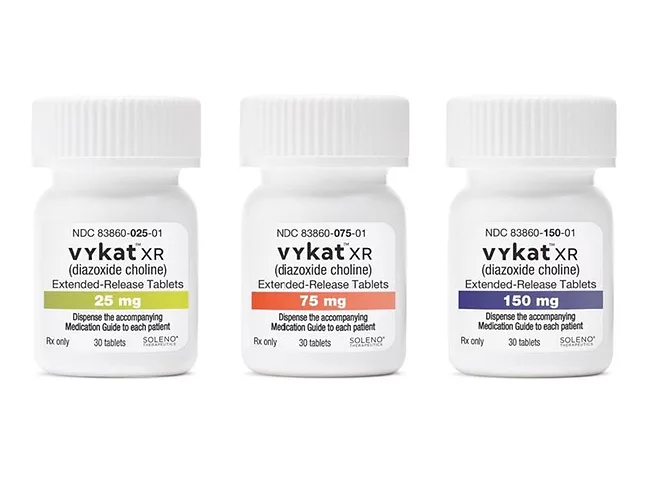
A proposal to buy out Soleno Therapeutics Inc. didn’t wait for European approval of Vykat XR (diazoxide choline) to treat hyperphagia in Prader-Willi syndrome, as Neurocrine Biosciences Inc. is putting on the table $53 per share in cash, which equates to an equity value of $2.9 billion.
Chiesi Group’s idebenone faced a regulatory setback last month after the U.S. FDA issued a complete response letter (CRL) to the company’s NDA for Leber hereditary optic neuropathy (LHON), a rare inherited disorder that causes sudden vision loss.But a chance missed for Chiesi may be an opportunity for gene therapies, including Gensight Biologics SA’s lenadogene nolparvovec (Lumevoq; GS-010).
Wegovy (semaglutide) has passed the notoriously strict cost-effectiveness scrutiny of the U.K. health technology assessment body and will now be reimbursed for the prevention of further serious cardiovascular events in people who have had a heart attack or stroke, or are diagnosed with peripheral arterial disease.
Deep molecular advances are enabling precision medicine for the field of hematology, Wyndham Wilson said during a plenary session at the 2026 Korean Society of Hematology International Conference March 26.

 RSS
RSS