Evaxion Biotech A/S and a collaborator have successfully concluded a series of large nonrodent animal infection studies testing antigens from Evaxion’s preclinical EVX-B1 vaccine candidate against Staphylococcus aureus. The EVX-B1 antigens were shown to significantly reduce disease burden.
Phase II/III results from Gritstone Bio Inc. with Granite, a personalized neoantigen cancer vaccine for colorectal cancer, turned up the opposite of what some investors expected, and the company’s shares (NASDAQ:GRTS) ended April 2 at $1.20, down $1.15, or 49%.
Blackstone Life Sciences made an investment of up to $750 million in Moderna Inc.’s influenza program created with its mRNA technology. The new funding is designed to help propel the program forward and may help bolster a stock that has struggled in the past 12 months.
Defence Therapeutics Inc. has announced the successful testing of a second-generation anticancer vaccine, ARM-002, using its lead anticancer molecule Accutox. When tested as a therapeutic vaccine in a melanoma cancer model, ARM-002 led to an 80% complete response when combined with an anti-PD-1 immune-checkpoint inhibitor.
Galectin-3 (Gal-3) is used as a marker of activated microglia, and thus a protein that drives inflammation. Patients with Alzheimer’s disease (AD) have shown increased levels of Gal-3 in their cerebrospinal fluid (CSF) compared to healthy controls, as well as increased expression in their brain tissue.
Merck & Co. Inc. has announced plans to initiate clinical development of a new investigational multi-valent human papillomavirus (HPV) vaccine designed to provide broader protection against multiple HPV types.
The phase II Initium study of Ultimovacs ASA’s therapeutic cancer vaccine in treating unresectable or metastatic malignant melanoma did not meet the primary endpoint. The company framed the loss by saying the UV-1 vaccine still has other indications where it could succeed.
The research on novel vaccines against SARS-CoV-2 with improved characteristics continues. These ideal features include rapid development to target variants of concern, easy manufacturing, and an excellent safety profile while inducing humoral and cellular immune responses.
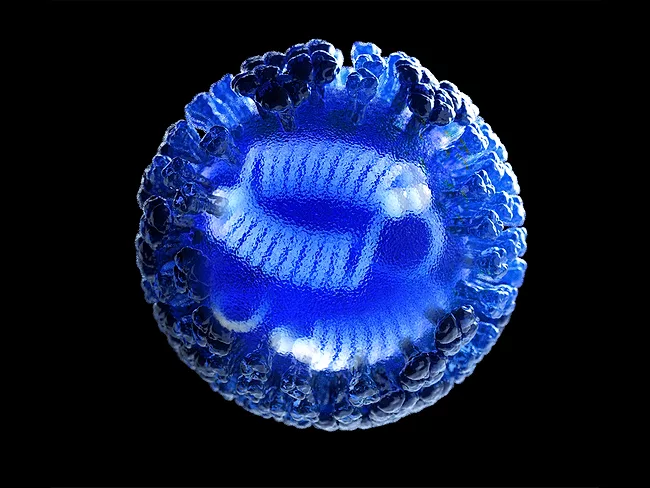
Neuraminidase (NA) is an essential surface protein of influenza viruses with potential as an effective drug and vaccine target. However, knowledge of the NA antigenic landscape remains limited, and most current influenza vaccines induce antibodies against the surface glycoprotein hemagglutinin.

 RSS
RSS