On the success of last year’s establishment of a global mRNA vaccine technology transfer hub in South Africa, the World Health Organization (WHO) announced its next step Feb. 23: the creation of a global biomanufacturing training hub in South Korea that will serve low- and middle-income countries wanting to produce biologics, such as vaccines, insulin, monoclonal antibodies and cancer treatments.
In the quest for regulatory approval for their COVID-19 vaccine, Sanofi SA and Glaxosmithkline plc (GSK) said they plan to submit their phase III and booster efficacy study data showing it induced a significant increase in neutralizing antibodies after a primary series of mRNA or adenovirus vaccines.
Livzon Pharmaceutical Group Inc.’s key interim data from the phase III trials of its recombinant SARS-CoV-2 fusion protein vaccine, V-01, has shown efficacy against the omicron variant. The phase III trial aims to evaluate the efficacy, safety and immunogenicity of V-01 as a booster in adults older than 18 after they have received two doses of inactivated vaccines.
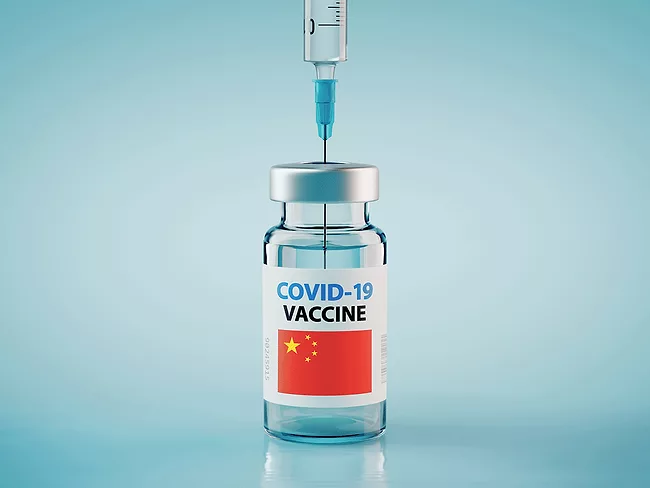
China is the latest country mixing things up when it comes to COVID-19 boosters. Since boosters were implemented in China in October, adults have been given a third dose of their primary vaccine regimen, which has consisted of one of three inactivated vaccines produced by Sinopharm Group Co. Ltd. and Sinovac Biotech Ltd.
Livzon Pharmaceutical Group Inc.’s key interim data from the phase III trials of its recombinant SARS-CoV-2 fusion protein vaccine, V-01, has shown efficacy against the omicron variant. The phase III trial aims to evaluate the efficacy, safety and immunogenicity of V-01 as a booster in adults older than 18 after they have received two doses of inactivated vaccines.
Glaxosmithkline plc has voluntarily paused a late-stage trial of its potential respiratory syncytial virus (RSV) maternal vaccine candidate in pregnant women following a safety warning. In a brief statement, the London-based firm said it also paused recruitment in two other trials investigating the drug in pregnant women.
As the Biden administration continues to play musical chairs with key U.S. federal health leadership positions, its latest move is naming Francis Collins to serve as science adviser to the president and co-chair of the President’s Council of Advisers on Science and Technology.
Delivering important but likely unwelcome news to Americans increasingly trying put the COVID-19 pandemic behind them, new research published Feb. 11 by the CDC suggested that "protection conferred by mRNA vaccines waned in the months after receipt of a third vaccine dose reinforces the importance of further consideration of additional doses to sustain or improve protection against COVID-19-associated [emergency department or urgent care (ED/UC)] encounters and COVID-19 hospitalizations."
Curevo Vaccine Inc. closed on a $60 million series A financing designed to take the company through releasing top-line data for its phase IIb study of CRV-101 for treating shingles in older adults. That means taking on a blockbuster, Shingrix from Glaxosmithkline plc.
Lyme disease is the most common vector-borne disease in the U.S. and is also common in certain areas of Europe. Yet, despite this, there are no FDA-approved vaccines available to treat it, meaning those diagnosed must receive a dose of antibiotics. But antibiotics are problematic because of the risk of treatment-resistant strains emerging. That leaves a pressing need for a vaccine or other way to prevent infections from the tick-borne bacterium Borrelia burgdorferi.

 RSS
RSS