A new engineered glycated vaccine induced production of neutralizing antibodies against severe acute respiratory coronavirus 2 (SARS-CoV-2) and other coronaviruses in mice, scientists at The University of Osaka and the RIKEN Center for Integrative Medical Science in Yokohama have reported.
LONDON – Valneva SA’s COVID-19 vaccine, VLA-2001, prompted a stronger immune response with fewer side effects than Astrazeneca plc’s product, according to headline data from the phase III trial. Shares in Valneva (NASDAQ:VALN) shot up by nearly 40% to close Oct. 18 at $39.21 when the data were announced, partly repairing the damage on Sept. 13 when the U.K. government cancelled a $1.65 billion contract with the French vaccines specialist for 100 million doses.
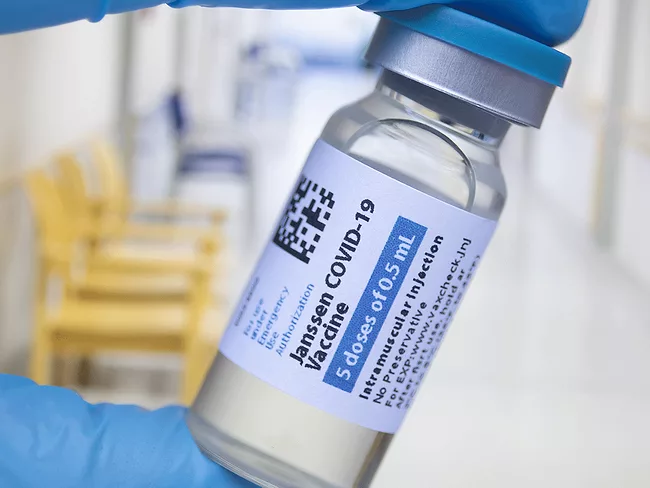
The FDA’s Vaccines and Related Biological Products Advisory Committee unanimously agreed to recommend a booster dose of Janssen Biotech Inc.’s COVID-19 vaccine for those age 18 years and older at least two months following the first dose. In the end, the vote swung on numbers from Janssen showing a booster significantly improved efficacy among study participants. Janssen’s data leaped to 94% protection after a booster dose, up from 70% efficacy following the first dose. That higher efficacy rate nearly matches that of the mRNA vaccines from Moderna Inc. and Pfizer Inc.-Biontech SE.
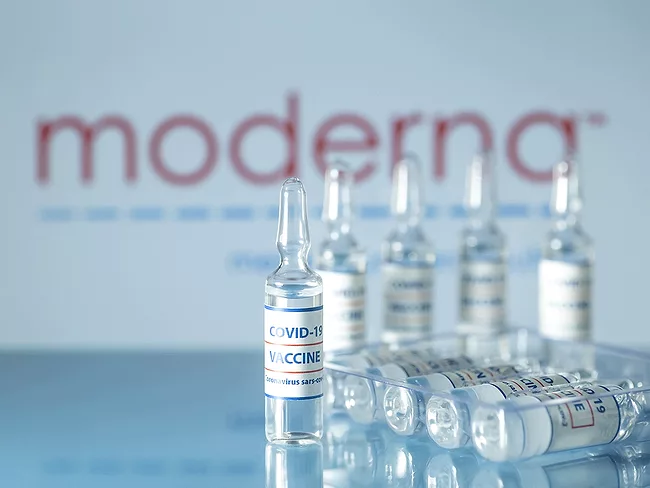
Given the FDA’s Vaccines and Related Biological Products Advisory Committee’s unanimous vote last month to recommend use of a booster dose of the Pfizer Inc.-Biontech SE COVID-19 vaccine in certain high-risk groups, it came as no surprise when the committee again voted unanimously Oct. 14 for a mirror use of Moderna Inc.’s proposed booster.
Should Johnson & Johnson’s (J&J) COVID-19 vaccine be a two-dose series? While not directly asked, that question almost lurks between the lines of the FDA’s briefing document for the Oct. 15 meeting of its Vaccines and Related Biological Products Advisory Committee. The document referred to J&J’s proposed second dose as a “booster,” but the FDA isn’t asking the committee the questions it posed for the Moderna Inc. and Pfizer Inc.-Biontech SE boosters. Instead, it is inviting VRBPAC to advise on whether the second J&J dose should be administered two months or six months following the first shot.
Biogen Inc. opened the 37th Congress of the European Committee for Treatment and Research in Multiple Sclerosis (ECTRIMS) virtual meeting with data showing those treated with its multiple sclerosis (MS) therapies had an effective antibody response to COVID-19 vaccination.
Although the need for COVID-19 boosters remains a tense debate among policymakers and scientific experts worldwide, the U.S. FDA is basing its Oct. 14-15 Vaccines and Related Biologics Products Advisory Committee meeting on the premise that vaccine boosters are needed.
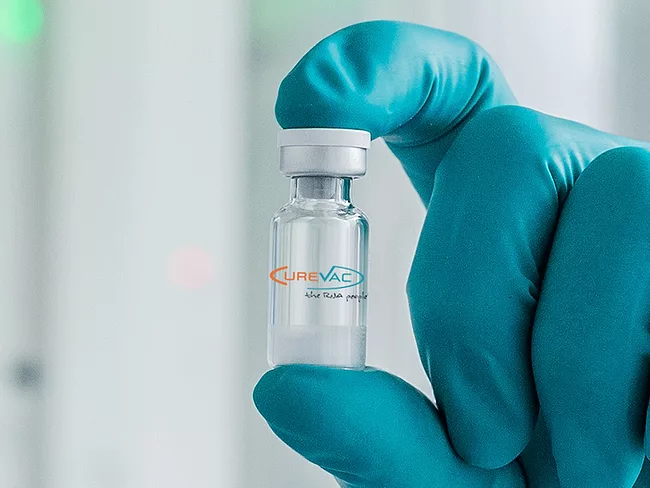
Curevac AG, once a forerunner in COVID-19 vaccine development but later surpassed, said it would terminate its first effort in the field, CVnCoV, withdrawing it from a rolling review at the EMA to focus instead on development of second-generation mRNA vaccine candidates with Glaxosmithkline plc.
LONDON – The World Health Organization (WHO) is recommending the widespread rollout of Glaxosmithkline plc’s Mosquirix (RTS,S), the first malaria vaccine, following real-world evidence it is safe and can be integrated into routine immunization programs and existing malaria control measures.
In addition to the four COVID-19 vaccines it has provisionally approved, Australia’s Therapeutic Goods Administration (TGA) is recommending that two more vaccines – Sinovac Biotech Ltd.’s Coronavac and Astrazeneca plc-Serum Institute of India’s Covishield – be considered “recognized vaccines.”
 RSS
RSS